
BUSINESS
Healey Restores a 10% Founders’ Rate and Halves BADR
Healey’s Budget sets Founders’ Relief at 10% on £10 million of gains and halves ordinary business-sale relief to £500,000 from April 2027.

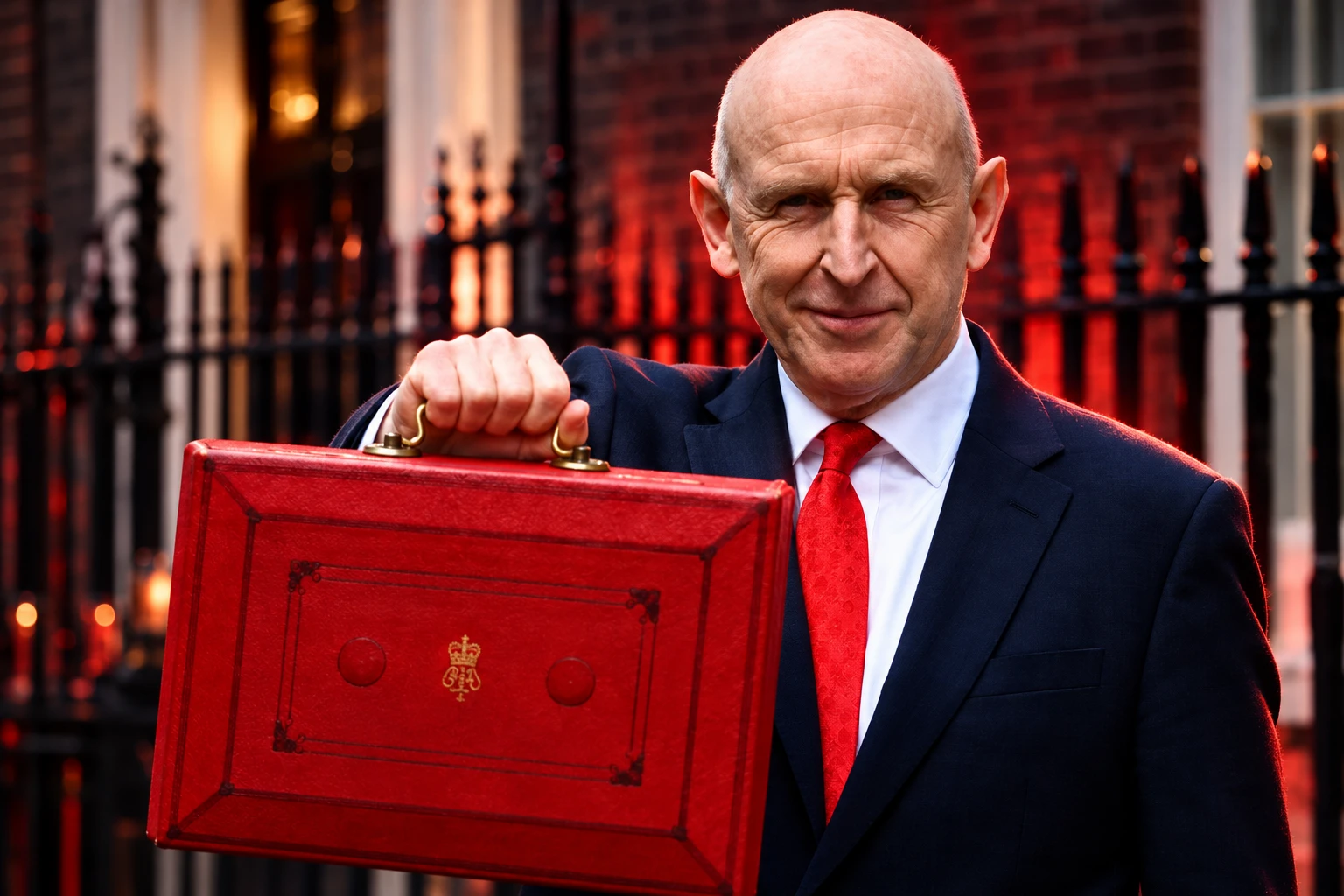
Chancellor John Healey set a 10% capital gains tax rate on up to £10 million of gains for qualifying founders. He also cut the lifetime limit on Business Asset Disposal Relief from £1 million to £500,000. Both changes take effect on 6 April 2027.
Startup groups praised the package on 28 October as the strongest backing in years. The new Founders’ Relief is fenced behind size and growth tests that most owner-managed firms will never meet, and the same Budget halves the relief those owners still use.
Who Qualifies for the New 10% Rate?
Healey told MPs the relief is for “the founders of our most successful firms.” The settled parts are the 10% rate on up to £10 million of lifetime gains per person, and the start date of 6 April 2027. Who actually gets it is still a proposal, set out in a technical consultation on Founders’ Relief that closes on 30 November 2026, with legislation due in Finance Bill 2026-27.
I believe that when business founders take that risk, build an exceptional company, create wealth for Britain, we should recognise that success and keep those people here to invest again.
John Healey, Chancellor of the Exchequer, House of Commons
Deloitte’s Budget note says the government would apply a 10% CGT rate to qualifying disposals of shares or securities, including shares bought later, not only the original holding. Only individuals could claim. Any Business Asset Disposal Relief or Investors’ Relief used from 6 April 2027 would reduce the £10 million cap.
TESTS A COMPANY MUST PASS
- The stake: The seller held at least 25% of ordinary shares, votes and economic rights when the original trade, or preparation for it, began.
- The hold: Shares have been held for five years, and the seller has been UK resident for the five tax years before the sale.
- The firm: It is within UK corporation tax, has had a substantial UK presence for five accounting periods, and still runs the original trade with no major change.
- The size: Turnover is at least £10 million, with at least 15 qualifying full-time employees, in the period before the sale.
- The growth: It meets two of three tests: 25% compound turnover growth over three periods from at least £10 million; the same 25% growth in staff from at least 15 people; or at least £1.5 million of qualifying research and development in the three years before the sale.
Trades barred from the Enterprise Investment Scheme, including property development, dealing in land and financial services, would be out. Claims would sit on the seller’s Self Assessment return. If HMRC later knocked out the company’s research claim, the founder could lose the 10% rate and owe tax plus interest.
Ordinary Sellers Lose Half Their Remaining Relief
Business Asset Disposal Relief, the renamed Entrepreneurs’ Relief, already charges 18% on qualifying gains, against a main capital gains tax rate of 24% for higher-rate taxpayers. From 6 April 2027 the lifetime limit on those 18% gains falls from £1 million to £500,000. Healey told MPs the cut means “no change for three in four claimants.”
For the other quarter, and for anyone sitting on unused headroom between £500,000 and £1 million, the relief is worth less. Compared with the 24% rate, the maximum saving drops from £60,000 to £30,000. A founder who never meets the new tests is left with that thinner BADR band, then 24% on the rest.
WHAT A SALE COSTS UNDER EACH RELIEF
| Relief | Rate | Lifetime gains limit | Maximum saving versus 24% CGT |
|---|---|---|---|
| BADR until 5 April 2027 | 18% | £1 million | £60,000 |
| BADR from 6 April 2027 | 18% | £500,000 | £30,000 |
| Founders’ Relief from 6 April 2027 | 10% | £10 million | £1.4 million |
The £10 million Founders’ Relief cap is reduced by BADR and Investors’ Relief claimed from 6 April 2027, so using the 18% band first can shrink the 10% band. The annual exempt amount stays at £3,000. Main capital gains tax rates of 18% and 24% did not move.
No sale before 6 April 2027 can use Founders’ Relief. A founder who has to exit this winter still faces 18% on up to £1 million and 24% after that. The 10% rate is a prize for people who can wait, and whose companies then clear tests that are not yet law.
The £10 Million Cap That Came and Went
Healey’s 10% rate on £10 million of gains is not a new idea. It is the old Entrepreneurs’ Relief package, brought back for a much smaller group after six years of cuts.
HOW THE LIFETIME LIMIT MOVED
- 6 April 2008: Entrepreneurs’ Relief begins with a £1 million lifetime limit.
- 6 April 2010: The limit rises to £2 million, then to £5 million on 23 June 2010.
- 6 April 2011: The limit hits £10 million, where it stays for nine years at a 10% rate.
- 11 March 2020: The lifetime limit is cut overnight to £1 million. On 6 April 2020 the relief is renamed Business Asset Disposal Relief.
- 6 April 2025: The BADR rate rises from 10% to 14%, then to 18% from 6 April 2026.
- 6 April 2027: BADR’s limit halves to £500,000. Founders’ Relief opens at 10% on up to £10 million for those who meet the new tests.
HMRC’s capital gains manual still sets out that ladder. Between 2011 and 2020 a qualifying owner could take £10 million of gains at 10%. After March 2020 the same owner had a £1 million ceiling, then a higher rate. Healey has now split the old bargain in two: scaleup founders who held 25% at the start and grew past £10 million of sales can get the 2011 terms back; everyone else keeps a thinner slice of BADR.
Dom Hallas, executive director of Startup Coalition, said the chancellor had delivered “the boldest action backing startups and scaleups of any government in years.” Eva Barboni, executive director of Enterprise Britain, called the Budget “a shot of adrenaline for Britain’s entrepreneurs.” Both are talking about the 10% track. The 18% track is the one most sellers will still be on.
EMI2 Doubles Option Limits for Staff Who Stay
The Budget also tried to make it cheaper to pay people in shares, and slightly easier to start a side venture. Company Share Option Plan grants are being rebadged as Enterprise Management Incentives 2, or EMI2, from Budget day, with the tax changes from 6 April 2027.
The individual EMI2 limit doubles from £60,000 to £120,000, measured at grant. The tax-advantaged exercise window stretches from 10 years to 15. The old rule that CSOP grants ate into the £250,000 EMI cap is dropped, so an employee who qualifies for both can hold £250,000 of EMI options plus £120,000 of EMI2 options, or £370,000 in all. EMI itself is not replaced. It remains the scheme for smaller companies, after an April 2026 widening that lifted the staff cap to 500 and the gross assets test to £120 million.
The trading allowance, the amount a person can earn from a new venture tax-free, rises from £1,000 to £3,000. A young entrepreneurs allowance will cover a year of living costs while founders turn ideas into firms; the Budget did not put a cash figure on that support. Healey also said skilled worker visas and non-compete clauses would be reformed so people who help build one successful company can move on to the next.
Those measures help staff and first-time founders. They do not restore a 10% exit rate to a shop, a farm or a consultancy that never hits £10 million of turnover and 15 full-time staff.
Grid Access Now Depends on a Data Centre Covenant
The same speech tied Britain’s AI build-out to a bargain on power. Healey launched a British Data Centre Covenant with tests on community investment, local jobs and water supplies. Critical sites that pass would get priority grid connections and, where needed, permission to run generation on site while they wait.
He put the policy in sovereignty terms. “When the NHS uses AI to treat patients, we want that data here. When our armed forces use AI to keep us safe, we want that data here,” he told Parliament. The government estimates the country will need 6GW of AI data-centre capacity by 2030, against about 2GW in use now, and already hosts more than 520 facilities, the largest market in Western Europe.
Microsoft this month dropped plans to anchor a flagship Nvidia-backed site in Essex after grid delays pushed power into the 2030s. Under the covenant, strategic sites may see connections reserved or reallocated, including capacity freed when other projects leave the queue, and a tightly controlled route to temporary on-site power. Operators are also expected to cover the energy costs they create, publish energy and water use, and capture waste heat for nearby homes or public buildings where that is practical.
Responsible developers are already investing in creating jobs, protecting water supplies, and supporting local communities. We welcome a framework that will recognise this work while helping to foster a thriving UK data centre sector that can compete on the world stage.
Gary Wojtaszek, executive chairman and interim chief executive, Pure Data Centres Group
The covenant is the physical half of Healey’s “keep it in Britain” line. Founders’ Relief is the tax half. Both ask a private actor to stay, scale and hire here, and both put extra tests in front of the prize.
Female Founders Still See 2p in Every Venture Pound
On 29 October the government set out the women-in-tech half of the Budget. Only 2p of every £1 of UK venture funding goes to women-founded businesses, according to the Investing in Women Code. Women were 22% of IT specialists in 2025, or 433,000 people. A Treasury-backed update of the Alison Rose review says women founding and growing firms at the same rate as men could be worth £310 billion to the economy.
THE WOMEN IN TECH PACKAGE
- The funding gap: 2p of every £1 of UK venture capital goes to women-founded businesses.
- The workforce: Women were 22% of UK IT specialists in 2025, some 433,000 people.
- The programme: A scale-up women’s programme is due in 2027, with workshops, peer groups and investor introductions, run jointly by DCMS and the business department.
- The Bank: British Business Bank said it will put in a further £100 million next year for women-led businesses and funds, after committing more than £130 million in 2026, including a £30 million stake in the Invest in Women Taskforce’s Women Backing Women fund.
Two voluntary standards, Tech Forward on workplace culture and Inclusive Investment on deal sourcing, go into co-creation with firms including BT, Revolut, Sage, Balderton Capital and Octopus Ventures. Digital Inclusion Minister Vicky Foxcroft said: “Too many talented women are leaving tech or never getting the chance to build a career in it in the first place.” A separate TechFirst Women’s Programme will mentor 300 women toward paid roles of at least six months by March 2027.
The Bank’s wider Budget package lifts its total financial capacity by £5 billion to £30.6 billion. That includes £1.4 billion more for equity funds, £450 million for a new venture debt product and £165 million extra for community lenders. The Bank said the package should support 24,600 existing jobs and create 15,800 new ones over the life of the finance. Interim chief executive David Hourican called it a boost to the Bank’s ability to help firms “start, scale and stay in the UK.”
Healey’s political choice was to hold the main capital gains rates and rebuild a 10% band for a tight class of high-growth founders, while cutting the relief used on ordinary business sales. The 10% rate on £10 million is the headline. The £500,000 BADR cap is the bill. Conditions for the first, and the cut to the second, both land on 6 April 2027, after a consultation that closes on 30 November 2026.
Disclaimer: This article is news reporting and analysis of Budget tax measures and is for information only. It does not constitute tax, investment or legal advice, and it is not a recommendation to bring forward or delay a company sale or share award. Readers should consult a qualified tax adviser or accountant about their own position before acting on any of these changes. Figures, dates and qualifying tests reflect HM Treasury, HMRC and British Business Bank publications issued with the Budget on 28 October 2026 and may change after consultation and legislation.

One UI 9.5 Beta Puts the Galaxy S26 on Last Year’s Clock

DBS Puts a 24/7 USDC Window Inside the Bank

European Startups Head for $81 Billion as First Checks Shrink

US Stocks Lost $1.3 Trillion Before Nvidia’s Beat

Home Depot Bets on Finance Chief Richard McPhail as CEO

Aramco Crash Kills 14 Two Days After Oil Restart

Salah Captained Egypt to Their First World Cup Win

Zelda’s 40th Switch 2 Ships Without a Zelda Game

Apple Labor Day Deals Hide June’s Memory Price Hike

El Niño Puts Israel’s Needed Winter Rain on a Flood Clock
-
 BUSINESS5 months ago
Aramco Crash Kills 14 Two Days After Oil Restart
-
 NEWS6 months ago
Salah Captained Egypt to Their First World Cup Win
-
 GAMING2 months ago
Zelda’s 40th Switch 2 Ships Without a Zelda Game
-
 NEWS3 months ago
Apple Labor Day Deals Hide June’s Memory Price Hike
-
 NEWS4 months ago
El Niño Puts Israel’s Needed Winter Rain on a Flood Clock
-

 GAMING2 months ago
Palworld 1.0.4 Adds Palpedia Search After the 1.0 Launch
-

 NEWS4 months ago
Saudi Visa Routes Split Nigerian Travelers Into Two Speeds
-

 BUSINESS9 months ago
BAE’s 60-Year Saudi Franchise Now Runs Through Taif