
Egypt’s Unified Procurement Authority hosted Libya’s Health Minister Mohamed Al-Fouj in Cairo on 14 June for talks on expanding cooperation in pharmaceutical supply, medical industry localization, training, and healthcare infrastructure. The meeting, held at the headquarters of the Egyptian Authority for Unified Procurement, Medical Supply, and the Management of Medical Technology (UPA), signalled an intent to convert Egypt’s growing pharmaceutical manufacturing base into a regional export platform. The full details of the Cairo meeting outline a cooperation framework that extends from drug procurement to warehouse sharing.
Hisham Stait, chairperson of the UPA, told the Libyan side that the number of pharmaceutical manufacturing facilities in Egypt has increased from approximately 150 to nearly 180. He framed the meeting as part of broader regional integration, citing Egypt’s centralized procurement model and strategic medical warehouses as a template for partners. For Tripoli, the conversation follows a sharp rise in the country’s drug import bill, which reached an estimated $4-5 billion in 2024, up from $3 billion the year before, according to then-Deputy Prime Minister and Health Minister Ramadan Abu Janah. Egyptian products, Al-Fouj told the meeting, meet international quality standards and could help meet that demand.
Egypt and Libya Sit Down in Cairo
Stait received Al-Fouj and a five-member Libyan delegation at the UPA’s Cairo headquarters. The Libyan team included representatives from pharmaceutical affairs, planning, international cooperation, and the minister’s office, plus a fifth aide.
The Libyan delegation comprised:
- Mohamed Al-Atouq, Advisor to the Minister for Pharmaceutical Affairs
- Adel Al-Tajouri, Director of Planning
- Sondos Azzam, Director of International Cooperation
- Adnan Issa, Director of the Minister’s Office
- Hannibal Khamaj
The two sides framed the meeting in language of bilateral solidarity, citing the historical and fraternal ties between Cairo and Tripoli and a shared commitment to regional integration. The substantive agenda covered pharmaceutical supply, medical industry localization, training programmes, and healthcare infrastructure. Egypt put its procurement muscle and warehouse infrastructure on the table. Libya came looking for a model it can copy.
Al-Fouj praised Egypt’s leading role in advancing healthcare systems across the region. He told Stait his country wanted to draw on Egyptian experience in localizing medical industries, training health workers, and sourcing Egyptian pharmaceuticals. Both sides agreed to keep the conversation going in the coming period.
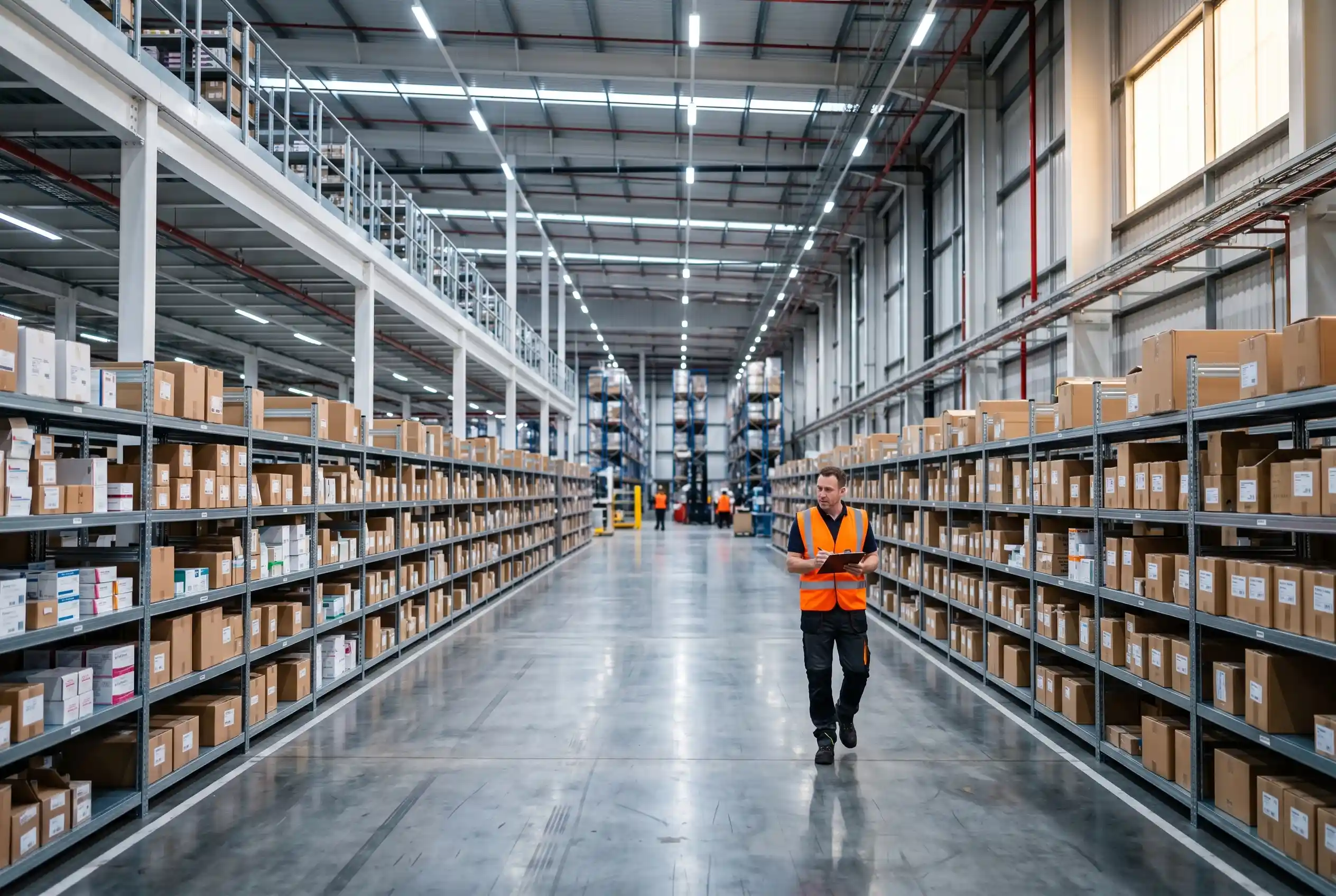
Egypt’s Pharma Manufacturing Base Has Grown
The numerical centre of gravity in the meeting was Egypt’s pharmaceutical factory count. Stait told the Libyan delegation the country now has nearly 180 pharmaceutical manufacturing facilities, up from approximately 150. He linked the rise to the work of the UPA, which he said is one of five key institutions established to modernise Egypt’s healthcare system. UPA is responsible for the centralized procurement of pharmaceuticals, medical supplies, and medical devices.
The growth is part of a broader push to localize medical industries, including medical supplies and equipment, alongside pharmaceuticals. Stait said the authority offers incentives to companies that invest in local capacity. Egypt is positioning itself as a regional production and export base, with the Libyan market as a starting point.
The Localization Levers Egypt Is Offering
Egypt is putting a specific commercial toolkit on the table for partners willing to localize production. The instruments are designed to make local manufacturing financially viable against imports.
The structure works because the Egyptian state has the procurement scale to make long-term commitments credible to industrial partners. Domestic manufacturers gain a reliable revenue stream. Local production competes on cost and reliability, not on price alone. For Egypt, the payoff is a deeper industrial base and a stronger position in regional pharmaceutical supply.
The Libyan side is interested in more than finished products. Stait offered to share Egypt’s institutional know-how, from procurement to warehouse operations. The framework extends from pharmaceutical supply to medical supplies, equipment, and training.
Egypt’s localization toolkit extends to partners in four areas:
- Off-take agreements that give local manufacturers a guaranteed state buyer
- Guaranteed market shares that reserve a portion of public procurement for local producers
- Strategic medical warehouses built to international standards for stockpile security
- Centralized procurement through the UPA, which gives the state the volume to back its commitments
Libya’s Drug Import Bill Is Climbing
Libya is the demand side of this equation. Libya’s 2024 drug import bill reached an estimated $4-5 billion, up from $3 billion the year before, according to then-Deputy Prime Minister and Health Minister Ramadan Abu Janah.
The rise reflects a population that needs drugs and a domestic pharmaceutical industry that has lagged. Local factories have remained underutilized for years, a function of the political and economic instability that followed the 2011 uprising. Egypt is one of the suppliers moving into the gap, with Eva Pharma among the Egyptian firms that have built supply relationships with Libyan buyers. Efforts are also underway to register more Egyptian-made drugs with Libya’s Ministry of Health, a step that would streamline future imports.
The cooperation extends beyond import substitution. Libya and Egypt are exploring joint ventures to export pharmaceuticals from the partnership into West African markets. Abu Janah told a conference hosted by Eva Pharma that Egypt’s progress in localizing its pharmaceutical industry has regional significance.
Egypt’s progress in localizing its pharmaceutical industry is crucial for the Arab world and Africa, especially after COVID-19 exposed the need for self-sufficient supply chains.
The quote came from Abu Janah at a December 2024 conference in Cairo hosted by Egyptian pharmaceutical firm Eva Pharma. He was Libya’s Deputy Prime Minister and Health Minister at the time.
Strategic Warehouses as a Template Libya Wants to Study
Stait also walked the Libyan delegation through Egypt’s network of strategic medical warehouses, facilities built to international standards to hold a secure and sustainable stockpile of medicines, medical supplies, and equipment. He described them as central to Egypt’s medical and pharmaceutical security through advanced infrastructure and smart operating systems. The Libyan side called the model a leading example of modern medical supply chain management. They asked to study the system with a view to applying it in Libya.
The Libyan interest covers the systems, practices, and discipline that run the warehouses, and the buildings themselves. Egypt has offered to share what it has built. Libya has asked to study the system with a view to applying it at home.
A Regional Corridor Beyond the Bilateral
The June meeting in Cairo is the most recent step in a wider pattern of regional pharmaceutical diplomacy. In February 2026, Libya’s Health Ministry held the first meeting of the board of the General Company for Pharmaceutical Industries and Medical Supplies to plan the reactivation of the Rabta pharmaceutical plant.
The Rabta plan is an attempt to reduce reliance on imports by restarting domestic drug production. As of early 2026, the project was still in the implementation planning stage, with the ministry addressing the development of an implementation plan to commence drug production at the plant. Libya is also discussing pharmaceutical cooperation with Italian, Saudi, and Bosnian counterparts. Egypt is now the most prominent partner in that lineup, and the Cairo meeting is the highest-level bilateral engagement to date.
Both sides agreed to keep coordination going, with no specific deadlines announced. Libya’s drug registration process for Egyptian-made products is among the early steps in the framework. The cooperation will be measured by whether it produces registered supply contracts, training pipelines, and warehouse construction.
