
The Egyptian Maintenance Company (EMC), commercially known as San Masr, has won a 10-year international tender to provide long-term maintenance for natural gas turbines at the Arab Potash Company’s power generation plant in Jordan, the 10-year, €46 million Arab Potash maintenance contract announced on June 16, 2026. EMC was awarded the contract, valued at €46 million, after an intensive international bidding process with major specialized multinational companies.
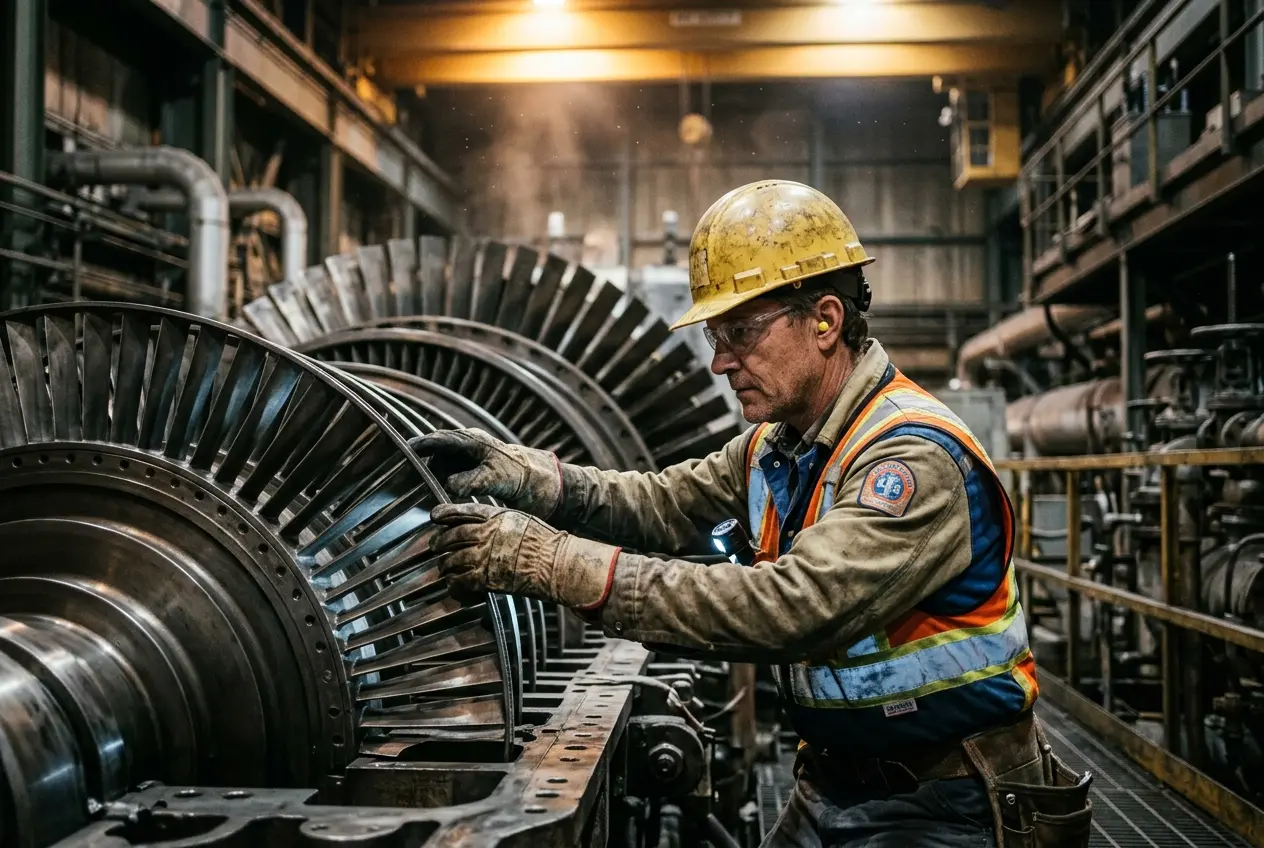
Under the deal, EMC will deliver integrated maintenance and technical support for two Siemens Energy natural gas turbine units that generate 110 megawatts of electricity and produce 170 tons of steam per hour to feed the Arab Potash complex.
The Contract and What It Covers
EMC’s scope covers both scheduled and unplanned maintenance for the two Siemens Energy turbine units. The company will draw on its turbine maintenance practice, one of the service lines it has built out since 1997, to keep the units generating at full capacity. The work runs alongside the production of fertilizers and associated minerals at the Ghor Al Safi site, where the turbines sit.
The two units together produce 110 megawatts of electricity and 170 tons of steam per hour, and that combined output feeds the industrial operations at the potash complex. The contract value of €46 million is the headline figure, but the duration is what shapes the relationship. Arab Potash’s plant at Ghor Al Safi, near the southern end of the Dead Sea, is its main production base, and uninterrupted turbine output is what keeps the downstream fertilizer lines running. A 10-year service commitment on equipment of this scale is a long cycle by industry standards.
EMC won the contract after what Egypt Oil & Gas, citing the Ministry of Petroleum and Mineral Resources, called an intensive international bidding process with major specialized multinational companies. The win puts an Egyptian state-linked maintenance firm on a 10-year service contract against the largest international maintenance groups.
- Contract value: €46 million
- Term: 10 years
- Turbines: 2 Siemens Energy units
- Power output: 110 MW
- Steam output: 170 tons per hour
EMC, the Company Behind the Bid
EMC was established in 1997 and has built its business around maintenance and modification services for major crude oil, natural gas, petrochemical, pipeline, and refinery operators in Egypt. The company is jointly owned, with the Egyptian General Petroleum Corporation (EGPC) holding 50% of its shares and Norwegian engineering firm Aibel holding the remaining 50%. EMC’s commercial name, San Masr, is how the company is known across regional markets.
EMC’s existing regional services work in the Middle East and North Africa is what the new contract is positioned to grow, on the Egypt Oil & Gas read of the deal. Egypt Oil & Gas described the award as expanding EMC’s regional operational footprint in the MENA energy and industrial infrastructure markets. The 10-year term extends a service relationship the company has had with Arab Potash on the same site. The result is that EMC now has a 10-year regional maintenance contract at the center of its foreign services portfolio.
The €46 million contract value is a step up in scale for the company’s foreign maintenance work. EMC’s commercial record in Egypt and the regional services track record the new contract extends are the two assets the new award is built on.
The ownership structure is the other piece of context. EGPC’s 50% stake ties EMC into the Egyptian state’s broader petroleum services strategy, and Aibel’s 50% stake gives the company an engineering and offshore services partner with global project experience. The arrangement means EMC can compete for international tenders with both state backing and a foreign engineering firm on the cap table. The new contract is the first major test of that combination on a 10-year, foreign-currency-denominated service deal.
| Attribute | Detail |
|---|---|
| Founded | 1997 |
| Commercial name | San Masr |
| Ownership | 50% Egyptian General Petroleum Corporation, 50% Aibel (Norway) |
| Core services | Maintenance and modification for oil, gas, petrochemical, pipeline, and refinery operators in Egypt |
Egypt’s Regional Services Push
EMC’s €46 million award is the latest data point in a wider strategy by Egypt’s Ministry of Petroleum and Mineral Resources to push state-owned petroleum subsidiaries into foreign markets. The deal is being read in Cairo as a verdict on the technical depth of the country’s service sector.
For the ministry, an Egyptian state-linked company winning a 10-year maintenance contract from a regional heavy industry operator is the kind of result the strategy is designed to produce. EMC’s foreign expansion follows the ministry’s stated plan to drive state oil services companies into regional and international markets. The contract lands as Egypt’s petroleum sector works through a reform agenda in which state services firms are pushed to compete for work outside the country. The 10-year term is the kind of duration that ministry planners point to when they want to show that the strategy is producing durable contracts, not one-off wins.
The competitive context is what gives the win its edge. EMC was bidding against major specialized multinational companies, and the fact that an Egyptian state-linked firm with a 50-50 private partner won a contract of this duration is the kind of outcome the ministry wants to point to. Arab Finance’s coverage of the announcement frames the deal as a sign of the strategy bearing fruit, and that framing matters because, on the ministry’s own terms, the contract is measured against the strategy it is meant to advance.
How the Turbines Power a Potash Site
The Arab Potash Company is the eighth largest potash producer worldwide and the sole producer of potash in the Arab world, with its main production site at Ghor Al Safi, near the southern end of the Dead Sea. Arab Potash is primarily a potash miner, and the company runs a 100-year concession from the government of Jordan to extract and produce potash and other minerals from the Dead Sea. The potash is produced through solar evaporation ponds and a series of processing plants, with the company shipping four grades of potash to its main export markets in India, China, and Malaysia. The gas turbines at the heart of the EMC contract feed the energy and steam that drive those processing plants.
Without continuous turbine output, the hot leach, cold crystallization, and compaction lines that turn raw carnallite into finished potash cannot run at planned rates. The industrial logic of the EMC deal is, in short, that a continuous energy and steam supply is the precondition for the rest of the operation. Arab Potash also runs affiliated fertilizer and bromine operations at the same complex, and a 10-year maintenance commitment on the two gas turbines is a long-term bet that the energy backbone of the site will hold.
A Win That Confirms a Strategy
EMC’s own statement on the deal frames the win in language that goes beyond the contract itself. The company put its own framing on the award in a statement released on June 16, 2026. The framing matters because EMC’s growth path runs through the Egyptian Ministry of Petroleum and Mineral Resources’ foreign expansion strategy. That strategy is built on results like this one, where state-linked services firms win regional maintenance contracts against international competition.
The next test is whether the 10-year contract produces the operational track record that justifies the strategy. EMC’s existing maintenance work for Arab Potash gave it a starting point, but the new award is on a larger and longer scale than the earlier relationship.
Both Arab Finance and Egypt Oil & Gas frame the contract as evidence of where Egyptian services firms are heading in the years ahead. Arab Potash’s next round of foreign maintenance work at the Ghor Al Safi site, and EMC’s bid for any of that work, is the next test of the strategy on the ministry’s own terms. For now, EMC has its 10-year contract, and the ministry has its data point.
The award reflects growing confidence in EMC’s technical capabilities and specialized expertise, as the company has established itself as a reliable partner in executing maintenance, industrial, and energy projects both in Egypt and abroad.
The Egyptian Maintenance Company, in a statement of June 16, 2026.
Frequently Asked Questions
What did the Egyptian Maintenance Company win in Jordan?
EMC won a 10-year, €46 million contract to provide long-term maintenance and technical support for two Siemens Energy natural gas turbine units at the Arab Potash Company’s power generation plant in Jordan, the country’s main potash production site at Ghor Al Safi.
Who owns EMC?
EMC is jointly owned, with the Egyptian General Petroleum Corporation (EGPC) holding 50% of its shares and Norwegian engineering firm Aibel holding the remaining 50%, per Egypt Oil & Gas reporting on the deal.
What does the Arab Potash Company do?
Arab Potash is the eighth largest potash producer worldwide and the sole producer of potash in the Arab world. The company harvests minerals from the Dead Sea at its main site near Ghor Al Safi and runs affiliated fertilizer and bromine operations.
How does this fit Egypt’s broader strategy?
The deal is being read in Cairo as a result of the Ministry of Petroleum and Mineral Resources’ strategy to push state-owned petroleum subsidiaries into foreign markets and to lift their competitiveness against regional and international rivals. The ministry’s framing of the EMC win is the strategy bearing fruit.
What do the two Siemens Energy turbines power?
The two units generate 110 megawatts of electricity and produce 170 tons of steam per hour, supplying the energy and steam that drive the processing plants at the Arab Potash complex, which produces fertilizers and associated minerals.
