
School uniforms for Jordanian public-school students still cost between 5 and 10 JOD and bags run 4 to 10 JOD, the same bands reported in prior years, even as traders face higher operating costs and freight rates. Asaad Al-Qawasmi, a board member of the Amman Chamber of Commerce, told Petra the market holds large stocks of locally made uniforms for every stage in both public and private schools.
Teachers report on Sunday, August 16. Students follow on August 23 for the 2026-2027 year. The chamber’s snapshot lands less than two weeks before classrooms fill.
Public School Uniform Bands Hold Steady
Al-Qawasmi laid out the exact public-school ranges that have barely moved. Female primary uniforms sit at 5 to 6 JOD. Middle and secondary girls’ sets run 7 to 9 JOD. Male primary pieces cost 6 to 8 JOD. Middle and secondary boys’ uniforms reach 9 to 10 JOD, depending on fabric quality and tailoring. Private-school prices differ by school.
| Category | Price Range (JOD) |
|---|---|
| Female primary public | 5-6 |
| Female middle/high public | 7-9 |
| Male primary public | 6-8 |
| Male middle/high public | 9-10 |
| School bags (excl. brands) | 4-10 |
He put Jordan’s imports of back-to-school clothing, fabrics and footwear above 25 million JOD. Those goods sit in ample supply across grades. International brand bags sit outside the 4-10 JOD band.
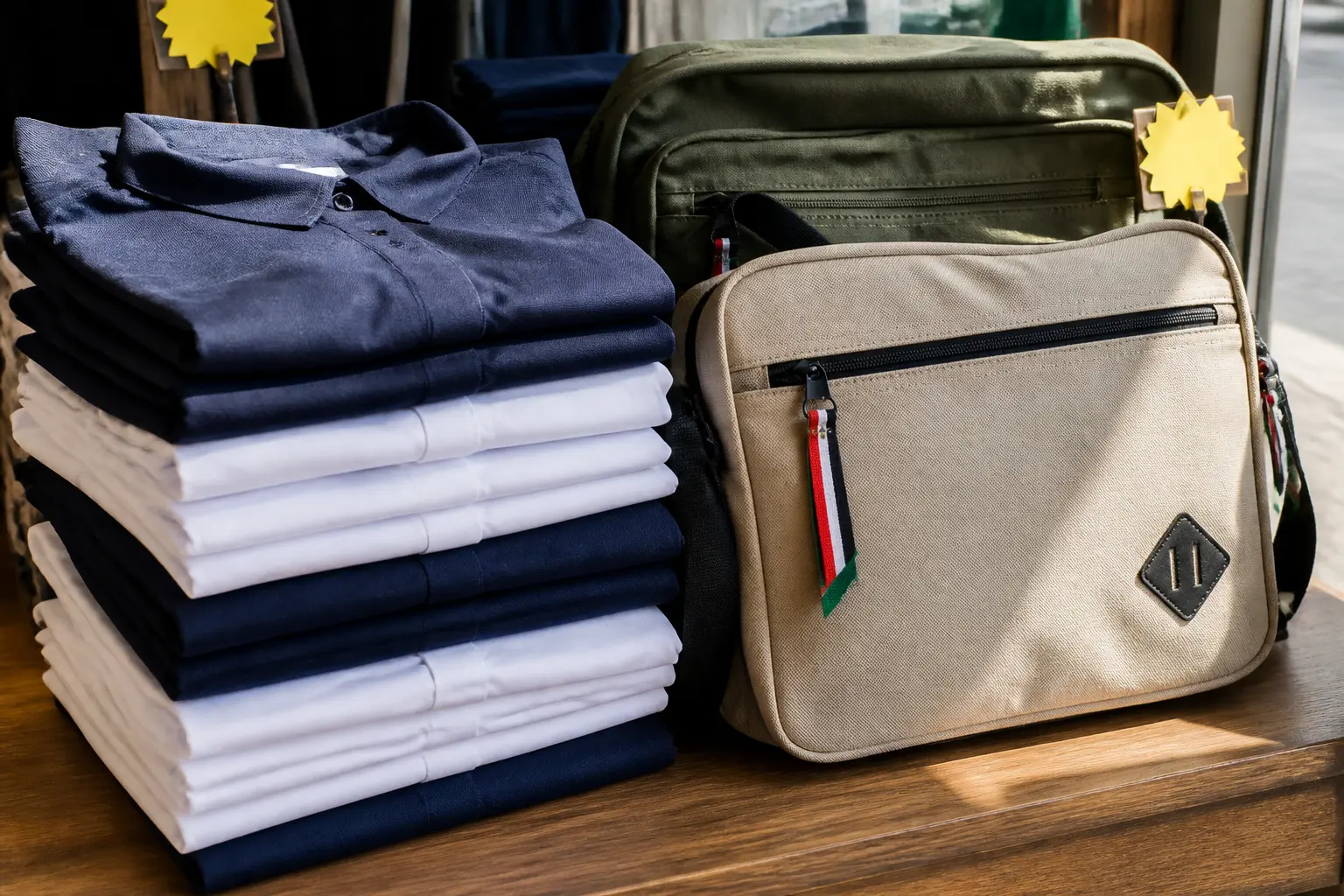
Why Merchants Are Eating the Extra Costs
Al-Qawasmi stated that sector traders supplied the local uniforms while keeping the same price levels as previous years. They did so despite rises in operational costs and freight rates. The choice keeps the sticker price flat for parents. It also compresses the margin for the shops and factories filling the racks.
prices remaining generally stable ahead of the new academic year
That line from the Petra report captures the chamber’s message. Clothing inflation has actually eased in recent CPI readings even as overall prices rose. The inflation rate during the first half of 2026 reached 2.03%, with June at 2.79 percent. Transport and rents drove most of the gain. Clothing prices declined.
Competition among local makers and importers appears strong enough that no one wants to be the first to raise the school-uniform tag. Volume at the start of term matters more than a short-term price bump.
Families See the Same Bill They Saw Years Ago
In 2023 the same chamber voice put the full kit (bag, uniform, shoes, sports suit) at 30 to 40 JOD per student. Uniforms then sat at 5 to 10 JOD and bags at 4 to 10 JOD. A 2018 report also circled around 40 JOD. The numbers have not marched upward with freight or general costs.
- 2023 total kit estimate: 30-40 JOD
- 2023 uniforms: 5-10 JOD
- 2023 bags: 4-10 JOD
- 2026 public uniforms: still 5-10 JOD by stage and gender
- 2026 bags: still 4-10 JOD excluding brands
For a family with two or three children the unchanged bands free up cash that would otherwise have gone to school kit. That money can cover transport, lunch or the private-school extras that do vary. Low overall inflation helps, yet fuel and rent pressures remain real for many households.
Local Factories Fill Most Uniform Racks
Traders have stocked locally produced uniforms for every educational stage. Public and private schools both draw from that pool. The chamber’s own platform for Amman Chamber of Commerce member services underscores the weight of domestic commerce. Related chamber data show ACC-certified exports reaching JD 768 million in the first half of 2026, a sign of broader trade resilience that also supports the local garment base supplying schools.
Imports still matter for fabrics, footwear and many bags, especially those from China. The >25 million JOD figure covers clothing, fabrics and footwear headed into the back-to-school channel. Abundant stock means shelves should not empty before August 23 even if last-minute buying spikes.
Who Gains and Who Carries the Load
Parents of public-school students gain the clearest near-term break. A primary girl’s uniform at 5-6 JOD and a bag at the low end of 4-10 JOD leave room in a tight monthly budget. Private-school families face wider spreads that the chamber does not pin down. Merchants and local uniform makers carry the load. Higher freight and operating costs land on their books while the retail price stays put.
The back-to-school window has long pumped tens of millions of dinars through Amman shops. In 2023 the chamber pegged the seasonal lift at 35 to 40 million JOD. This year’s import slice alone exceeds 25 million JOD. Stable pricing supports that turnover by keeping families in the market rather than delaying or downsizing purchases.
The Calendar Leaves Little Shopping Time
The Ministry of Education set the dates months ago. teaching staff will begin work on Sunday, August 16. Students start the first semester on Sunday, August 23. First-semester finals for grades 4-12 run mid-December into early January. Winter break follows from January 5 to 23, 2027. The full year totals 207 school days.
- August 16, 2026: Teaching staff report
- August 23, 2026: Students begin classes
- December 15, 2026, January 4, 2027: First-semester finals (grades 4-12)
- January 5-23, 2027: Winter break
- January 24, 2027: Second semester opens
With fewer than two weeks until student day one, the chamber’s supply assurance is timed to calm last-minute rushes. Shops already hold the stock. Prices have not jumped. The remaining question is how quickly parents move from the news to the racks.
X conversation around the announcement stayed thin, mostly official reprints with almost no engagement. That quiet matches a market that has seen the same price story for several seasons. Families appear to treat the stability as expected rather than surprising. Global supply stories elsewhere show larger jumps in notebooks and lunch gear; Jordan’s uniform and basic-bag channel has so far stayed outside that pattern.
The ironic edge remains plain. Merchants protect the customer price and absorb the cost pressure themselves. Families walk into August with a familiar bill. The shops that stocked early and held the line will need the volume to make the season pay.
