Tension on the Israel‑Lebanon border surged again this week as the Israeli army reported intercepting missiles fired from Lebanese territory toward northern Israel. The rapid escalation comes amid wider regional conflict that has drawn in Hezbollah fighters and led to increased military activity on both sides of the border.
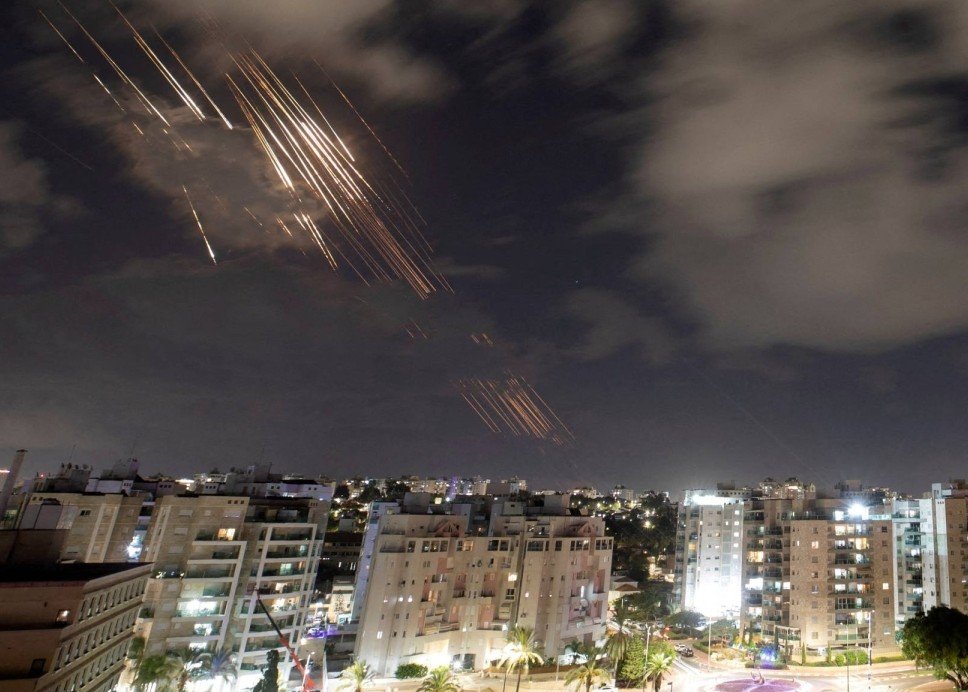
Israeli air defenses successfully intercepted two missiles launched from Lebanon and a third landed in an open area without causing damage or casualties, the Israeli Defense Forces said in statement. This marks the latest in a series of exchanges between Israel and militants operating in southern Lebanon following renewed hostilities earlier this week.
The army stressed that protective actions were taken swiftly and that civilian areas remain secure. Officials highlighted strengthened defensive measures along the northern frontier to guard communities and infrastructure in the region.
What Happened on the Border
According to the Israeli military, radar systems detected the launch of multiple projectiles from southern Lebanon in the early hours of the latest confrontation. Two of the projectiles were shot down by Israeli air defense units while the third impacted open ground, causing no reported harm. Defense officials noted that established security protocols were followed to maintain safety for residents.
Sirens were reportedly triggered in several northern Israeli towns, activating air raid alerts that warn residents to seek shelter. These alerts have become increasingly familiar to communities near the border in recent months.
Israeli authorities have urged people living in northern towns and settlements to remain vigilant and adhere to safety guidelines issued by civil defense authorities. These instructions include moving to protected spaces and keeping informed through official channels.
Rising Tension in the North
This firing incident is seen as part of a broader escalation of hostilities that began earlier in the week when the Iranian‑backed Lebanese militia Hezbollah launched several rockets into northern Israel. The Lebanese group stated the action was in response to regional military developments, including conflict involving Iran that has intensified in recent days.
Israeli forces have responded forcefully to rocket fire from southern Lebanon, conducting air strikes on positions tied to Hezbollah. These operations have targeted locations in Beirut’s southern suburbs and elsewhere, resulting in dozens of casualties, including civilians, and prompting warnings for Lebanese residents to evacuate certain areas near the border.
The recent firing of missiles and rockets from Lebanese territory represents the first such direct exchange since a ceasefire with Hezbollah in late 2024. Although tension along the border has continued since that truce, the latest events mark a significant uptick in cross‑border engagements.
Military Build‑Up and Strategic Moves
In response to the ongoing confrontation, the Israeli military has bolstered its presence along the northern frontier. Additional troop reinforcements and surveillance units have been deployed to support border defenses and gather real‑time intelligence on potential threats. Military officials describe these deployments as precautionary measures to prevent further escalation and protect civilian lives.
In addition to reinforcing border positions, Israel has also expanded operations into southern Lebanon. The army has moved forces into strategic areas inside Lebanese territory to create a buffer zone against possible attacks. These moves have been framed as defensive actions, yet they have further heightened tensions with Lebanese authorities.
Hezbollah, for its part, maintains that its actions are justified responses to perceived aggression, and that the group is prepared for broader confrontation if necessary. The Lebanese militia emphasized its readiness for further engagement, a statement that underscores the fragile and volatile state of security in the region.
Impact on Civilians and Regional Stability
Local communities on both sides of the border are bearing the psychological and practical burdens of the unrest. In northern Israel, routine air raid drills and sirens have become part of daily life, disrupting normal routines and fueling anxiety among residents. In southern Lebanon, repeated strikes have damaged infrastructure and led to casualties and displacement among civilians.
The repeated cross‑border fire and counter‑strikes risk widening the scope of conflict and drawing in additional regional actors. International observers have noted that such exchanges can quickly spiral if diplomatic channels are not reinforced and ceasefire mechanisms restored. Analysts warn that prolonged escalation could destabilize the wider Middle East, particularly given the backdrop of ongoing conflict involving Iran and allied groups.
What Comes Next
Diplomats and military strategists alike stress that while the immediate situation remains tense, both sides have so far avoided a full‑scale ground offensive. However, recent developments have reignited fears of broader warfare along the Israel‑Lebanon border.
For now, the focus remains on preventing further missile launches and managing the humanitarian toll on affected communities. Residents on either side are urged to follow safety guidelines and stay informed as the situation evolves.
As tensions persist, ordinary people on both sides of the border continue to bear the emotional weight of living under the threat of sudden violence, underscoring how fragile peace remains in a region long marked by conflict. Comment with your thoughts on this news and share your views on the situation using the hashtag #IsraelLebanonTension on social media.