
UK based energy developer Polar Hydro is launching an $860 million waste-to-energy project in Egypt, targeting the Shubramant landfill site near Cairo for comprehensive recycling and energy conversion. The UK-based firm aims to process accumulated waste into industrial fuels and clean electricity, supporting Egypt’s green economy transition through a long-term private investment model that requires no government financing. This initiative arrives as Egypt seeks to de-risk its environmental sector by attracting foreign direct investment that provides technical solutions without bloating the national balance sheet.
Mohamed Farid Saleh, the Minister of Investment and Foreign Trade, met with executives from Polar Hydro in London to finalize the implementation plan. The project is designed to tackle the legacy waste at one of Giza’s largest landfill sites while establishing a steady pipeline for newly generated refuse. By converting these materials into value-added industrial inputs and alternative fuels, the facility intends to serve the energy needs of local manufacturing hubs, effectively turning a significant environmental liability into a productive economic asset.
Reshaping the Shubramant Landfill as a Green Facility
The transformation of the Shubramant site represents a shift in how Egypt manages its urban refuse. Historically, the landfill has served as a primary repository for waste from the Greater Cairo area, leading to significant environmental challenges and land use constraints. The new project, presented during a ministerial delegation organized by the Egyptian British Business Association, seeks to replace traditional burial methods with a tiered recycling and energy extraction system. This approach aims to reduce the physical footprint of the waste while capturing the caloric value stored in organic and plastic materials.
Phase One Infrastructure and Site Development
The initial stage of the project focuses on site preparation and the installation of high-capacity processing lines. Polar Hydro intends to deploy advanced sorting technologies that can handle both the massive volume of legacy waste already present at Shubramant and the daily influx of new materials. This phase requires an investment between $800 million and $860 million, according to company officials. The goal is to establish a modular infrastructure that can scale alongside the growing waste production of the Giza governorate, ensuring long-term viability for the facility.
Environmental Remediation and Gas Capture
Beyond simple waste processing, the site will implement systems to mitigate the existing environmental damage caused by decades of landfilling. This includes the capture of methane and other greenhouse gases produced by decomposing waste, which will then be converted into electricity or thermal energy. By stabilizing the soil and preventing leachate from contaminating local groundwater, the facility serves a dual role as both an energy producer and an environmental guardian. The minister stressed that these technological benefits are central to the government’s interest in the partnership.
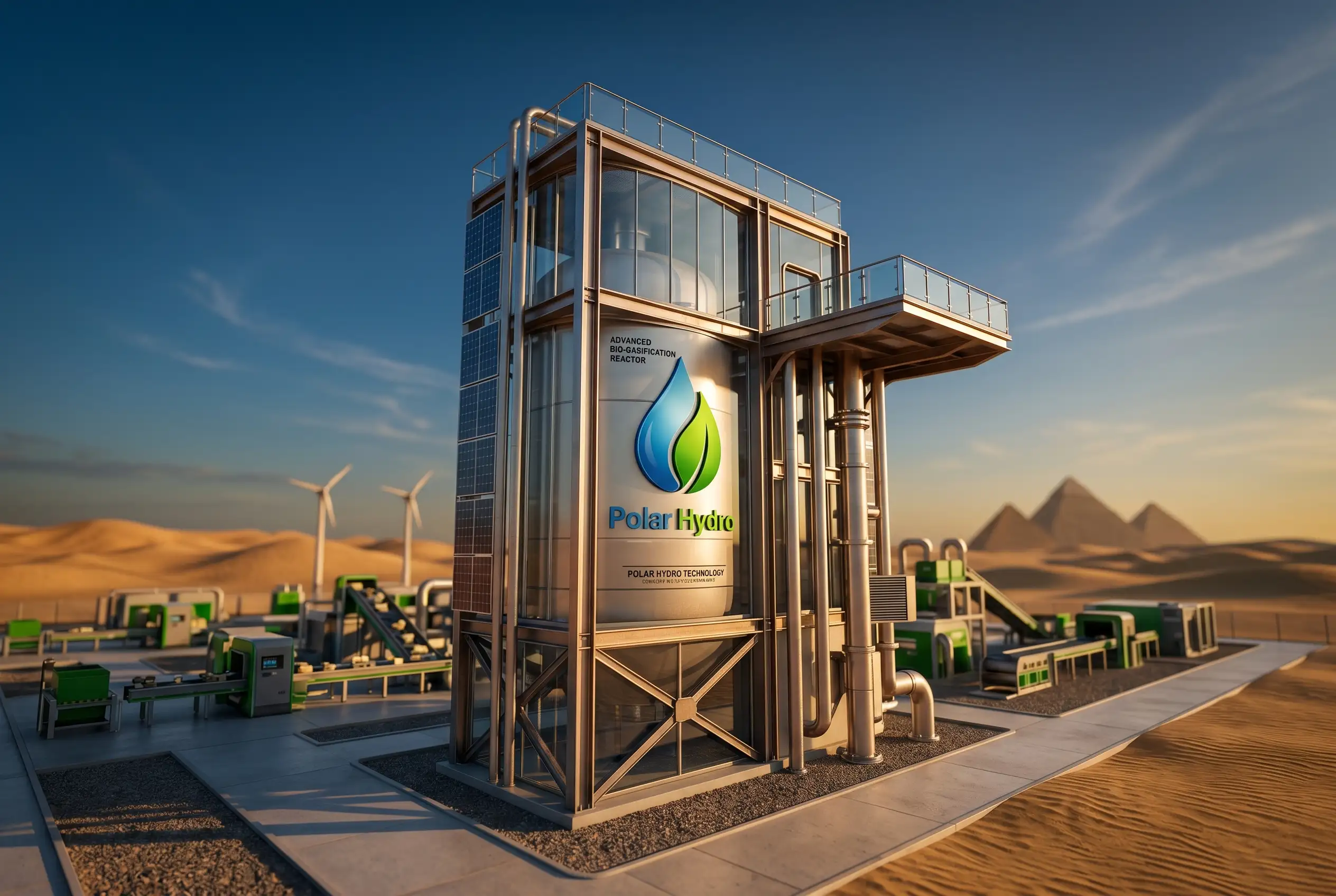
The Financial Model Behind the $860 Million Bet
The most striking aspect of the Polar Hydro proposal is its reliance on a private investment model that sidesteps traditional government subsidies. Unlike many prior infrastructure projects in North Africa that required sovereign guarantees or state funding, this waste-to-energy initiative operates on a long-term commercial basis. The company expects to recover its capital through the sale of recovered materials, electricity, and alternative fuels to industrial consumers. This structure aligns with the broader Egyptian strategy of fostering stronger trade ties with the United Kingdom through market-driven environmental projects.
| Metric | Traditional Landfill Model | Polar Hydro WTE Model |
|---|---|---|
| Primary Funding Source | Government Budget | Foreign Direct Investment |
| Economic Output | None (Sunk Cost) | Electricity, Industrial Fuel |
| Land Use Impact | Permanent Exclusion | Reclaimable Industrial Site |
| Investment Scale | Operating Expense | $860 Million Capital Asset |
| Environmental Risk | High (Unmitigated Methane) | Low (Captured Emissions) |
Securing Foreign Direct Investment in Green Energy
The Ministry of Investment and Foreign Trade is prioritizing projects that bring in hard currency and technical expertise. The commitment from Polar Hydro is seen as a validation of Egypt’s recent regulatory reforms, which have sought to simplify the process for international firms to operate in the utilities sector. By providing a clear framework for energy off-take and waste supply, the Egyptian government is making it easier for firms like Polar Hydro to commit significant capital. This project serves as a template for future hydro and waste energy reforms aimed at diversifying the national energy mix.
Long Term Revenue Streams and Market Stability
For the investment to succeed, Polar Hydro depends on the stability of the industrial fuel market in Egypt. The plant will produce alternative fuels that can replace imported coal or natural gas in energy-intensive industries like cement production. By providing a local, sustainable source of fuel, the project helps Egyptian manufacturers reduce their carbon footprint while lowering their reliance on volatile global energy markets. The $860 million investment assumes a multi-decade operational life, reflecting the company’s confidence in the regional demand for green industrial inputs.
Technological Solutions for Industrial Waste Processing
The facility will utilize a combination of mechanical biological treatment and thermal conversion technologies to maximize the recovery rate from the Shubramant waste stream. This multi-step process is designed to handle the heterogeneous nature of Egyptian municipal waste, which often contains a high moisture content and a significant percentage of organic matter. By separating these streams at the source and applying specialized processing to each, Polar Hydro can produce a range of high-value outputs that go beyond simple incineration.
- Refuse-Derived Fuel (RDF) – High-caloric pellets produced from processed plastics and paper for use in cement kilns.
- Clean Electricity – Power generated from the combustion of non-recyclable materials and captured landfill gas.
- Industrial Inputs – Recovered metals and glass that are sorted and returned to the manufacturing supply chain.
- Organic Compost – Stabilized biological material that can be used for agricultural soil enhancement or land restoration.
Integration of Digital Data and Visual Assessment
Minister Saleh emphasized that the assessment of the project’s progress must be driven by objective data and visual evidence. During the London meetings, the government requested that Polar Hydro include detailed diagrams, images, and digital mapping in their project presentations. This transparency is intended to help regulators and stakeholders understand the scale of the environmental challenge at Shubramant and the precise impact of the proposed solutions. Digital twins of the facility will be used to monitor waste throughput and energy efficiency in real time once the plant is operational.
Addressing Regulatory and Procedural Challenges
Moving a project of this scale from a feasibility study to a construction site requires navigating a complex regulatory environment. The Ministry of Investment is coordinating with various government entities to ensure that all necessary permits for waste management and energy generation are fast-tracked. This includes environmental impact assessments and agreements with the Giza governorate for the long-term supply of municipal waste. The ministry’s commitment to addressing these procedural hurdles is a key factor in keeping the $860 million investment on schedule.
Economic Drivers for Egypt’s Waste-to-Energy Sector
Egypt is currently producing more than 26 million tons of municipal solid waste annually, a figure that is expected to rise as the population grows and urbanizes. The traditional method of managing this volume through open-air dumping is becoming untenable due to land scarcity and environmental degradation. Waste-to-energy projects provide a scalable solution that addresses two problems at once: waste disposal and energy security. The Polar Hydro project is part of a larger trend where the Egyptian government is looking to the private sector to lead the transition toward a circular economy.
Sustainable Development and Green Transition Goals
The Shubramant project aligns with the Egypt Vision 2030 strategy, which places a heavy emphasis on sustainable development and the reduction of carbon emissions. By converting waste into clean energy, Egypt can reduce its total greenhouse gas emissions while creating new jobs in the green technology sector. The Ministry of Investment views these projects as essential for building a resilient economy that can compete in a global market increasingly focused on environmental social and governance standards. The technological benefits of the Polar Hydro facility will likely influence future policy decisions regarding waste management across the country.
Job Creation and Local Economic Impact
The construction and operation of a nearly billion dollar facility will have a significant impact on the local economy in Giza. Hundreds of jobs are expected to be created during the construction phase, with hundreds more permanent positions required to operate and maintain the plant. Beyond direct employment, the facility will support a secondary ecosystem of logistics and service providers involved in waste collection and the distribution of industrial fuels. This localized economic boost is a vital component of the government’s support for the project, as it demonstrates that environmental initiatives can also drive social progress.
Future Benchmarks for Project Feasibility
The success of the Polar Hydro project hinges on the completion of rigorous feasibility studies that are currently being finalized in coordination with the Egyptian government. These studies will determine the exact technical requirements for the facility and the financial parameters for the long-term investment model. Minister Saleh and his delegation have made it clear that while the government is eager to support the project, it must meet all environmental and economic benchmarks before construction begins. The ministry is acting as a facilitator, ensuring that all relevant state agencies are aligned to help the UK firm meet its implementation goals.
The Egyptian government places significant importance on attracting quality investments that deliver economic, environmental, and technological benefits, particularly projects that provide practical solutions to existing challenges while supporting the country’s transition to a green economy.
Mohamed Farid Saleh, Egypt’s Minister of Investment and Foreign Trade, during the London ministerial delegation visit, June 2026.
As the feasibility studies conclude, the focus will shift to the ground-breaking ceremony at the Shubramant site. The next few months will be critical for securing the final regulatory approvals and beginning the mobilization of equipment. If Polar Hydro meets its targets, the first phase of the facility could be operational within the next two years, providing a clear signal to other international investors that Egypt is open for large-scale green infrastructure. The path forward is set by the upcoming regulatory reviews scheduled for the end of the current fiscal quarter.
Frequently Asked Questions
What is the total investment for the Shubramant waste-to-energy project?
The first phase of the project is expected to attract an investment ranging between $800 million and $860 million. This capital is being provided by the UK-based company Polar Hydro as a long-term foreign direct investment into Egypt’s environmental sector.
How does the project benefit the Egyptian government financially?
The project is based on a private investment model that does not place operational or financial burdens on the Egyptian government. Polar Hydro recovers its investment through the sale of industrial fuels and energy, meaning the state gets waste treatment services without direct public spending.
What specific products will the facility produce from waste?
The facility will convert municipal waste into alternative fuels such as Refuse-Derived Fuel, clean electricity for the national grid, and industrial inputs like recovered metals. It will also produce organic compost from the biological components of the waste stream.
Why was the Shubramant site chosen for this project?
Shubramant is a major landfill in the Giza governorate that handles a massive volume of waste from the Greater Cairo area. Its transformation is essential for reducing the environmental impact of one of the region’s largest legacy waste sites while utilizing its central location for energy distribution.
What is the role of the Ministry of Investment and Foreign Trade in this deal?
The ministry is acting as the primary coordinator between Polar Hydro and relevant government entities. It is responsible for facilitating feasibility studies, addressing regulatory challenges, and ensuring the project aligns with Egypt’s national sustainable development goals.
When is the Shubramant waste-to-energy facility expected to be operational?
Following the finalization of feasibility studies and regulatory approvals, construction is expected to begin shortly. The project aims to have the first phase operational within approximately two years of the start of construction, depending on the speed of local permit processing.
