
Israel votes for the sixth time in eight years on October 27, and Prime Minister Benjamin Netanyahu’s coalition is trailing in the polls. The Knesset dissolved itself 62 to 0 on July 17 to set that date, and Netanyahu voted for his own government’s expiration.
A widely read essay on The Times of Israel’s blog platform traces Netanyahu’s staying power to culture: a Mizrahi and Sephardi electorate whose ancestors lived under monarchs, sultans and shahs, never fully swapping loyalty to a person for loyalty to a ballot. The arithmetic behind his tenure tells a plainer story, an electoral system built for coalition bargaining, and that bargaining currently favors his opponents.
A Referendum on Netanyahu’s Three Wars
Coverage of the dissolution vote framed October 27 as a referendum on Netanyahu’s handling of the wars in Gaza, Lebanon and Iran, fought largely under the government that just expired. A 45 day ceasefire extension with Lebanon, part of a broader US led arrangement, is one piece of that wartime record voters will weigh.
The Knesset’s final session was reported as unusually busy, a legislative push before members voted themselves out of a job. Whoever wins on October 27 inherits a country that has spent nearly four straight years under some form of active conflict.
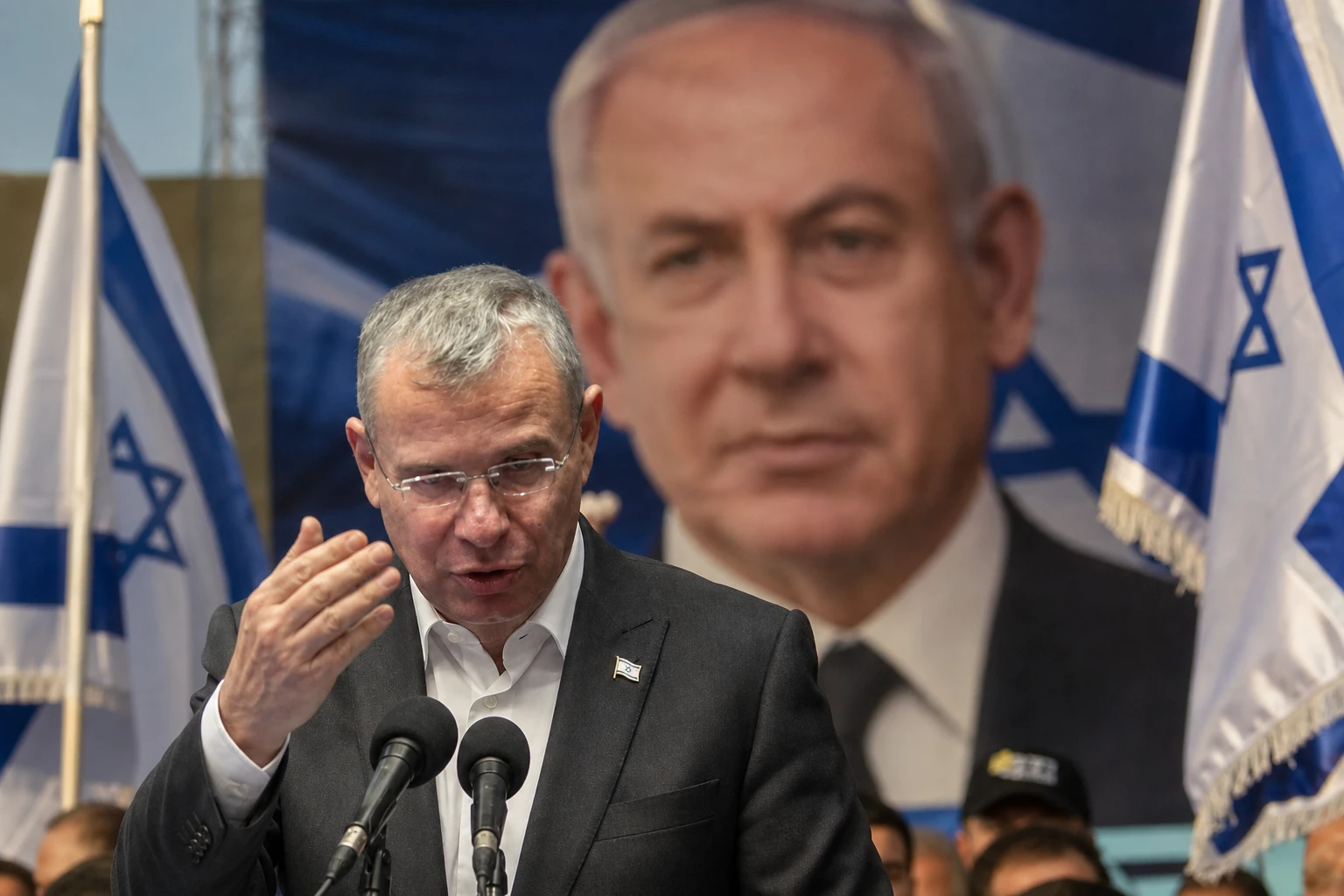
Coalition Arithmetic Built King Bibi’s Nineteen Years
Israel elects all 120 Knesset members through nationwide proportional representation. No single party has ever won a majority alone, so every government is built through coalition bargaining, and Netanyahu has assembled six of them that way since 1996.
The bar for entering the Knesset at all is low but not trivial. A 2014 amendment known as the Governance Law, pushed by then foreign minister Avigdor Liberman and then finance minister Yair Lapid, raised the threshold to 3.25 percent of the national vote, up from 2 percent. Miss that line, and a party wins no seats and no leverage at all.
- Electoral threshold – the minimum share of the national vote, 3.25 percent since 2014, a party needs to hold even one seat in the 120 seat Knesset
The change pushed smaller factions to merge or disappear. Measured against the 2013 results, two Arab backed parties would have missed the new cutoff entirely, evidence that the rule reshapes the whole map, well beyond whichever bloc Netanyahu happens to lead.
Why the Base Calls Him a King
The cultural case is not thin. Netanyahu’s strongest support comes from Sephardi and Mizrahi Israelis, descendants of Jewish communities from Morocco, Iraq, Yemen, Tunisia and Iran, concentrated in the development towns of Israel’s north and south. Many of those communities spent centuries under the personal rule of monarchs, sultans and shahs.
Moroccan Jews, the largest Mizrahi community in Israel, still speak of Sultan Mohammed V, who shielded them from Vichy era persecution, with something close to reverence. When he died in 1961, synagogues across Morocco held mourning prayers in his memory.
They want a king. They have always wanted a king. Democracy was someone else’s idea.
That line comes from the Times of Israel essay this piece is responding to. It does not stop at metaphor: Israeli President Isaac Herzog once wrote to King Mohammed VI that Moroccan Jews “recall with pride and affection the memory of your grandfather.”
The Hebrew Bible supplies the deeper root. David twice refused to kill King Saul even while Saul hunted him, because Saul remained the Lord’s anointed. Deuteronomy limited what a king could accumulate in horses, wives and gold, but it never questioned whether Israel should have a king at all.
Six Elections, One Full Term
Israel has held more than 25 national elections since 1948, and the last decade produced an unusually dense run of them. Five votes landed inside three years alone, a pace the Israel Democracy Institute has tied to chronic coalition instability.
| Election | Date | What Happened |
|---|---|---|
| 21st Knesset | April 2019 | Netanyahu fails to form a coalition; Israel’s first do over election |
| 22nd Knesset | September 2019 | A second vote ends just as inconclusively |
| 23rd Knesset | March 2020 | Netanyahu and rival Benny Gantz strike a unity deal |
| 24th Knesset | March 2021 | An eight party coalition removes Netanyahu from office |
| 25th Knesset | November 2022 | Netanyahu returns and completes a full four year term |
| 26th Knesset | October 27, 2026 | Vote called with Netanyahu’s coalition trailing in the polls |
The 2022 to 2026 term breaks the recent pattern. It is the first Knesset to run its full course since 1988, which complicates any claim that Israeli politics is chaotic by default. The turmoil was concentrated in three specific years, and Netanyahu’s last government was, by recent standards, unusually durable.
Eisenkot’s Yashar Party Edges Ahead
Gadi Eisenkot, a former Israel Defense Forces chief of staff, entered politics only recently with a new party called Yashar. The latest Haaretz poll puts it in front of Likud for the first time this campaign.
- Yashar: 24 seats – Eisenkot’s new party, narrowly the largest single bloc in current polling
- Likud: 23 seats – Netanyahu’s party, essentially tied with Eisenkot’s newcomers
- Coalition bloc: 51 seats – Likud plus its religious and nationalist partners, ten seats short of a majority
- Opposition bloc: 69 seats – a combined figure that still needs Arab majority parties to actually govern
Sixty one seats are needed to form a government. The opposition’s combined total clears that bar on paper, but Jewish opposition parties have historically refused to formally govern with Arab majority parties, a taboo that has outlasted several Israeli governments. Whether it breaks this time is one of the campaign’s open questions.
Far right coalition partners are racing the clock on their own priorities in the meantime, including settlers pushing West Bank annexation before the vote, aware that a lost election could close that window for years.
Does Israel Want a Monarchy?
Not literally. Israeli voters keep rewarding whoever can hold together a workable bloc inside a system built for fragmentation. Netanyahu did that better than any rival for three decades. On October 27, the polls say someone else may have finally matched him at his own game.
Eisenkot is campaigning as a better coalition builder, which is the only strategy that has ever actually worked against Netanyahu. Four governments have tried to replace him since 2019. Only one, in 2021, briefly succeeded, and it lasted about a year before its own coalition splintered.
The Knesset that opens after October 27 will be Israel’s 26th. Whether it seats a seventh Netanyahu government or someone else’s first now comes down to arithmetic, seat by seat.
Frequently Asked Questions
How many seats does a party need to actually govern in Israel?
A coalition needs 61 of the Knesset’s 120 seats to win a confidence vote and form a government. After an election, Israel’s president formally consults party leaders and picks whoever has the best chance of reaching that number first, a largely ceremonial step that occasionally becomes decisive when results are close.
What happens to votes for a party that misses the 3.25 percent threshold?
They elect nobody. A vote for any party that finishes below that line does not convert into a Knesset seat, which is why smaller factions spend elections forming alliances rather than risk being shut out entirely.
Who is Gadi Eisenkot?
He is a former Israel Defense Forces chief of staff who founded the Yashar party ahead of the October 27 vote. Recent Haaretz polling puts his new party narrowly ahead of Likud, the first time any single party has out polled Netanyahu’s in this campaign.
Could October 27 produce a seventh election soon after?
It is possible. The 2019 to 2022 stretch showed a fragmented result can collapse within a year, and today’s polling shows neither bloc comfortably past 61 seats without a partner it has previously refused. Israel Democracy Institute researchers point to exactly that dynamic as the driver behind the last decade’s repeat elections.
