
Saudi Arabia, the UAE, Qatar, Kuwait and other Arab states welcomed a US-Iran agreement on Monday to end a 107-day war and reopen the Strait of Hormuz, lining up behind a framework that Pakistan and Qatar spent weeks brokering. Pakistani Prime Minister Shehbaz Sharif announced the deal on Sunday, after what Iran’s deputy foreign minister said were nearly 14 to 15 hours of talks in Tehran with Qatari mediators. The agreement commits both sides to an immediate and permanent halt to military operations on all fronts, including Lebanon, the lifting of the US naval blockade of Iranian ports, and a 60-day window for negotiations on Iran’s nuclear program. A formal signing is set for Friday in Switzerland.
The welcomes came with conditions. The United Arab Emirates, the most directly hit Gulf state during the war, called for full implementation of the deal and guarantees of freedom of navigation through the waterway, where Iranian strikes damaged shipping and energy infrastructure. Kuwait pressed for an end to support for proxies, and Egypt asked that the agreement free up diplomatic bandwidth for Gaza and the West Bank.
The 60-Day Framework’s Three Load-Bearing Pieces
The deal text has three load-bearing pieces. Both sides have declared “the immediate and permanent termination of military operations on all fronts, including in Lebanon,” a phrase drawn from the deal text and what was signed. Trump said he had “fully authorized” the toll-free opening of the Strait of Hormuz and the “immediate removal of the United States Naval blockade.”
The third piece is a 60-day window for technical talks. Iran has 440.9 kilograms of uranium enriched up to 60% purity, a short technical step from weapons-grade levels, according to the International Atomic Energy Agency. Trump’s Truth Social posts said the strait would open “upon the signing of the Deal on Friday, for purposes of mine removal.” The talks themselves are expected to cover sanctions relief, the release of frozen Iranian funds, and how to dispose of the enriched uranium stockpile, as laid out in the 60-day framework and Qatar’s mediation.
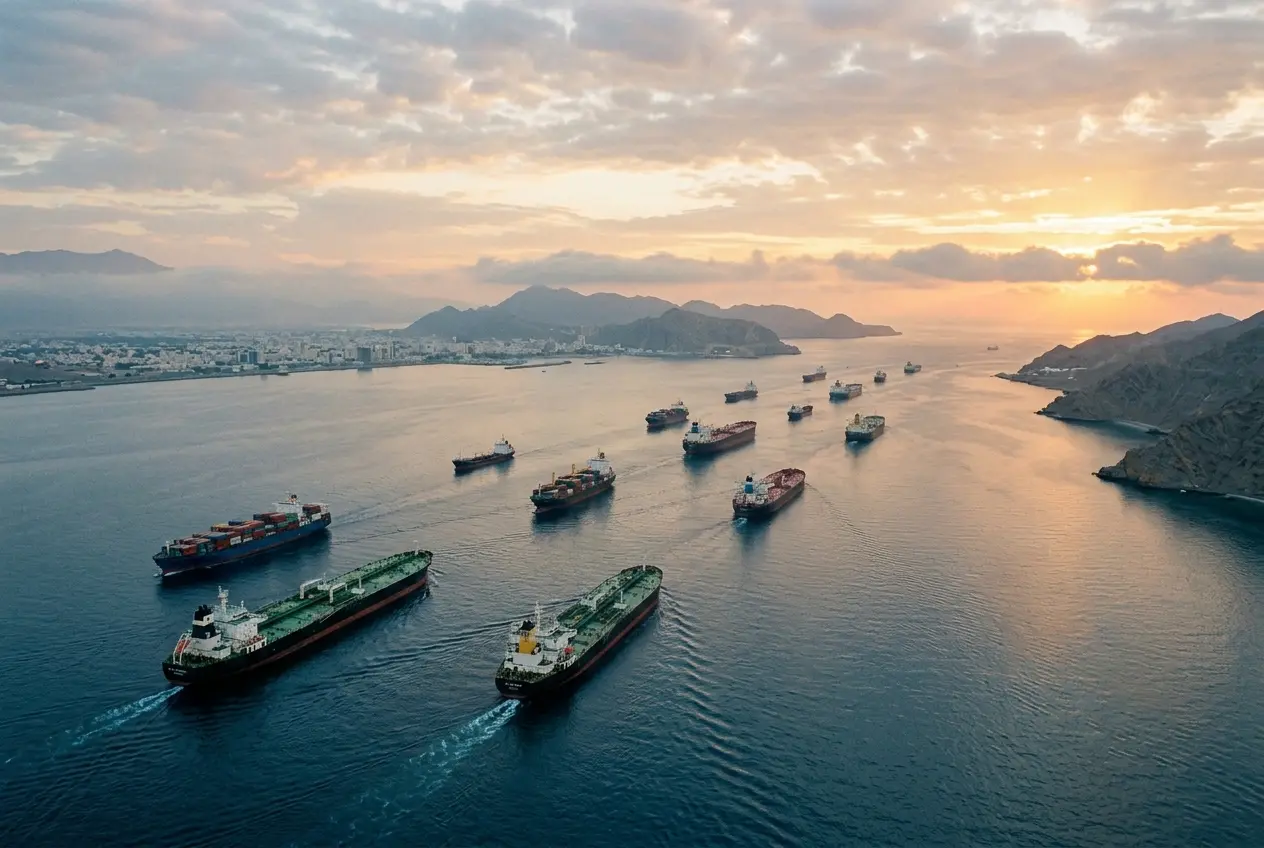
The numbers frame the stakes. The strait, which handles about 20% of the world’s oil and liquefied natural gas, has been effectively closed since 28 February, when US and Israeli strikes began the war. Posting on Truth Social, Trump told the world to “start your engines” and said oil would “flow on both ends” for the region and the world once the deal is signed. Iran struck back in its own framing: state television ran a banner declaring the “US was forced to sign an agreement to end the war.”
- 107 days of war before the framework
- 60 days set aside for the technical talks
- 20% of global oil and LNG that flows through the Strait of Hormuz
- 440.9 kg of Iranian uranium enriched to 60%
How Pakistan and Qatar Brokered the Deal
The mediation set-up is unusual. Pakistan, a nuclear-armed US security partner, has spent months cultivating both Washington and Tehran, while Qatar handled much of the Iran-side conversation. Both are now sharing credit for the framework, with Sharif leading the public announcement and Qatari diplomats hosting the final round of talks.
Pakistan’s chief of army staff, Field Marshal Asim Munir, worked the back channel, a role Saudi Arabia’s earlier statement crediting Pakistan’s mediation recognized, with Qatar and Egypt backing Pakistan’s mediation visible in the months of shuttle work. Qatari mediators ran the final, marathon session in Tehran, where Iran’s deputy foreign minister Kazem Gharibabadi said they held “14 to 15 hours” of talks to finalize the text. Trump’s electronic signing included Vice President JD Vance and Iranian Parliament Speaker Mohammad Bagher Ghalibaf. Sharif’s readout of the deal named both countries, alongside Saudi Arabia and Egypt, as the mediation team that brought it home.
Iran’s framing of the deal was a victory claim. State television ran a banner declaring that the “US was forced to sign an agreement to end the war.” Gharibabadi told state media that threats from Iran’s armed forces “helped facilitate progress in the negotiations” and “contributed to finalizing the text.”
Trump’s electronic signing was the formal close. The “deal with the Islamic Republic of Iran is now complete,” Trump wrote on Truth Social, adding his full authorization for the strait’s toll-free opening and the immediate removal of the US naval blockade. He declared the deal “all signed” during a meeting with French President Emmanuel Macron, a phrasing that left room for the Friday ceremony in Switzerland.
I am very happy to say: it’s signed, the deal is all signed.
Trump said the words during a meeting with Macron on Monday, hours after Sharif’s announcement. The phrasing stopped short of the full Friday ceremony, leaving both sides with one more round of choreography before the 60-day clock starts in earnest.
The UAE’s Uneasy Welcome, After Taking Direct Hits
The UAE’s welcome was the most pointed. Iranian strikes during the war hit shipping and energy infrastructure linked to the country, the foreign ministry said on Monday, asking for “full implementation” of the deal, an “immediate halt to hostilities,” and guarantees of freedom of navigation through the strait. The statement stressed “the importance of dialogue, diplomacy and adherence to international law,” language that reads as a guardrail against a deal that could ease sanctions on Tehran, per the UAE foreign ministry’s full statement.
The UAE’s framing is also the only one that names the price it paid during the war. Other Gulf capitals stayed closer to neutral diplomatic phrasing, calling the deal an “important step” and a “diplomatic breakthrough” without detailing war damage. The UAE’s call for binding freedom-of-navigation guarantees echoes a concern raised by French President Emmanuel Macron. Macron has warned that Iran should not be allowed to charge transit fees on tankers using the waterway, a question the framework does not resolve. The two positions are not identical, but both treat the strait’s status as a deal point rather than a settled fact.
Where the Gulf Powers Diverge
Saudi Arabia, Kuwait, and Qatar all backed the deal. But the language in their statements diverges. Riyadh welcomed the agreement and called for a lasting arrangement that takes into account the security interests of regional states. The kingdom’s statement said any permanent deal must “adhere to the principle of non-interference in the internal affairs of other countries.” It also asked for a sustainable peace that ends attacks on regional sovereignty.
Kuwait went further, naming “good neighbourliness, mutual respect, non-interference in the internal affairs of states and an end to support for proxies” as the conditions for sustainable solutions. Kuwait’s foreign ministry also praised the roles played by Pakistan, Qatar, and other countries in bridging differences. The Gulf state called on all parties to engage in upcoming negotiations with a “positive and constructive spirit.”
Qatar framed the deal as a path to “consolidating sustainable peace and promoting economic growth regionally and internationally,” with a focus on the strait as a critical global energy and trade route. Doha’s statement also highlighted the agreement’s provisions on ensuring freedom of navigation. The common thread across the three Gulf statements is non-interference, with each country keeping both Iranian and US framings of the deal at arm’s length.
| Country | Core demand | What it prioritizes |
|---|---|---|
| Saudi Arabia | Security of regional states, non-interference | Regional security architecture |
| Kuwait | End to proxy support, non-interference | Sovereignty of neighbours |
| Qatar | Sustainable peace, freedom of navigation | Economic growth, trade route |
Other Arab Capitals Line Up Behind the Deal
Egypt called the deal a “significant step” toward stability, per the Arab states’ individual reactions. Cairo said it hoped the end of the war would refocus international attention on Gaza and the West Bank, and accelerate the next phase of Trump’s peace plan. Lebanon was more direct. Parliament Speaker Nabih Berri welcomed the agreement, praised mediation by Pakistan, Qatar, Saudi Arabia, and Egypt, and welcomed provisions aimed at ending Israeli military operations in Lebanon. President Joseph Aoun said he appreciated that Lebanon’s security and stability were included in the deal.
Iraq said it would work to repair relations with countries affected by the conflict, a phrase pointed at Iran. Turkey described the agreement as an “important development” that would strengthen peace and stability. Jordan and the GCC Secretary-General added their welcomes, with the pan-Gulf body saying the memorandum could lead to a lasting agreement and help ensure regional security and stability.
- Egypt: significant step, wants Gaza and West Bank focus
- Lebanon (Berri and Aoun): welcomes Israel pullback language
- Iraq: will work to repair relations with countries affected
- Turkey: important development for peace and stability
- Jordan: important step toward regional and international security
- GCC Secretary-General: could lead to a lasting agreement
What the Framework Does Not Settle
The 60 days are stacked with unresolved questions. Iran’s nuclear program is the largest, with the country’s stockpile of 440.9 kilograms of 60%-enriched uranium believed to be buried under three nuclear sites badly damaged by US strikes last year. US Vice President JD Vance told Fox News that Iran never possessing a nuclear weapon was “built into this agreement” and that the US will be able to verify compliance.
Israel pushed back hard. Defense Minister Israel Katz said Israel opposed a withdrawal from the roughly 5% of Lebanese territory it has occupied and pledged to strike Iran “with full force” if Tehran attacked Israel because of events in Lebanon. National Security Minister Itamar Ben Gvir wrote on X that “Trump’s agreement does not bind us” and vowed to dismantle Hezbollah. On Monday, hours after the deal was announced, an Israeli drone strike killed one person in the Lebanese town of Kfar Tebnit, the first lethal Israeli strike on Lebanon since the announcement.
The strait’s full reopening is not immediate either. Trump said the waterway would open “upon the signing of the Deal on Friday, for purposes of mine removal,” and the formal ceremony is set for Switzerland. Macron, who hosted Trump at the meeting where Trump declared the deal signed, has separately warned against any Iranian move to charge transit fees on tankers, as Trump’s earlier warning on Iran charging transit fees also flagged.
Frequently Asked Questions
What does the US-Iran deal do?
The framework commits both sides to an immediate and permanent end to military operations on all fronts, including Lebanon, the lifting of the US naval blockade of Iranian ports, and the reopening of the Strait of Hormuz. It sets a 60-day window for negotiations on a permanent settlement covering Iran’s nuclear program, sanctions relief, and the release of frozen Iranian funds.
When will the Strait of Hormuz reopen?
Trump said the waterway would open “upon the signing of the Deal on Friday, for purposes of mine removal.” A formal signing ceremony is set for Friday in Switzerland, and Pakistan and Qatar will facilitate a series of meetings this week before the technical talks begin.
Why is the UAE pressing for binding implementation?
The UAE’s foreign ministry said on Monday that “Iranian strikes hit shipping and energy infrastructure linked to the country during the war.” Its statement asked for full implementation of the deal, an immediate halt to hostilities, and guarantees of freedom of navigation through the strait, a sharper ask than the welcomes issued by Saudi Arabia, Qatar, and Kuwait.
Who mediated the deal?
Pakistan and Qatar were the principal mediators. Pakistani Prime Minister Shehbaz Sharif announced the framework on Sunday, and Iran’s deputy foreign minister said Qatari mediators held “nearly 14 to 15 hours” of talks in Tehran. Trump signed the agreement electronically with Vice President JD Vance and Iranian Parliament Speaker Mohammad Bagher Ghalibaf.
What happens to Iran’s nuclear program?
The 60-day window is set aside for negotiations on Iran’s nuclear enrichment and the disposal of its highly enriched uranium stockpile. The IAEA puts Iran’s 60%-enriched uranium at 440.9 kilograms, a short technical step from weapons-grade. A four-power statement from the UK, France, Germany, and Italy said Iran “must never acquire a nuclear weapon.”
