
The Dow Jones Industrial Average sank to a three-week low Monday as crude oil’s jump to a five-week high sent bond yields sharply higher. The S&P 500 slipped 0.19%, the Nasdaq 100 inched up 0.04%, and the 10-year Treasury yield climbed roughly five basis points to 4.60%, its highest close in weeks.
Five weeks ago, Wall Street had priced the Iran war as all but finished. Monday proved otherwise: a ninth straight day of US airstrikes on Iran, a new Houthi blockade threat against Saudi Arabia, and the same inflation math investors thought they had escaped in June is back on the table.
A War Wall Street Thought Was Over
The conflict rattling markets this week is not new. It has run almost five months, since February 28, when US and Israeli strikes on Iran opened a war that has now disrupted the Strait of Hormuz twice.
A truce briefly held. On June 17, Washington and Tehran signed a 14-point interim agreement meant to end the fighting and reopen Hormuz. Oil collapsed on the news, with Brent crude dropping roughly 21% that month, its steepest monthly slide since March 2020. By July 7, the US Energy Information Administration (EIA, the Energy Department’s independent forecasting arm) saw the shift as permanent, cutting its production and price outlooks accordingly.
Here is how quickly that calm came and went:
- February 28, 2026: US and Israeli strikes on Iran open the war that has since disrupted the Strait of Hormuz on two separate occasions.
- June 17, 2026: Washington and Tehran sign a 14-point interim deal, reopening Hormuz and sending Brent crude down roughly 21% for the month.
- July 7, 2026: The EIA cuts its third-quarter Brent forecast to $74 a barrel and raises its global oil production outlook.
- July 8, 2026: Fighting resumes. Brent jumps more than 3% after the US strikes Iran again and revokes a sanctions waiver on Iranian oil sales.
- July 13, 2026: Fed rate-hike odds for the July 29 meeting spike to 46.5%, the highest point of the year, as oil keeps climbing.
- July 20, 2026: The US logs a ninth straight day of strikes on Iran. Houthi rebels declare a naval blockade on Saudi Arabia. Three US soldiers are reported killed in recent fighting.
- July 21, 2026: Brent eases to $88.87 a barrel as Qatar and Pakistan present Iran with a proposal for a 10-day ceasefire.
Brent is now trading nearly 20% above the price the EIA penciled in for the entire third quarter, a forecast that survived less than two weeks before the war resumed. That July 7 outlook also pointed to US gasoline averaging $3.60 a gallon in the second half of the year, down from $4.48 in May. That math assumed the peace held.
Nine Days of Strikes and a New Blockade Threat
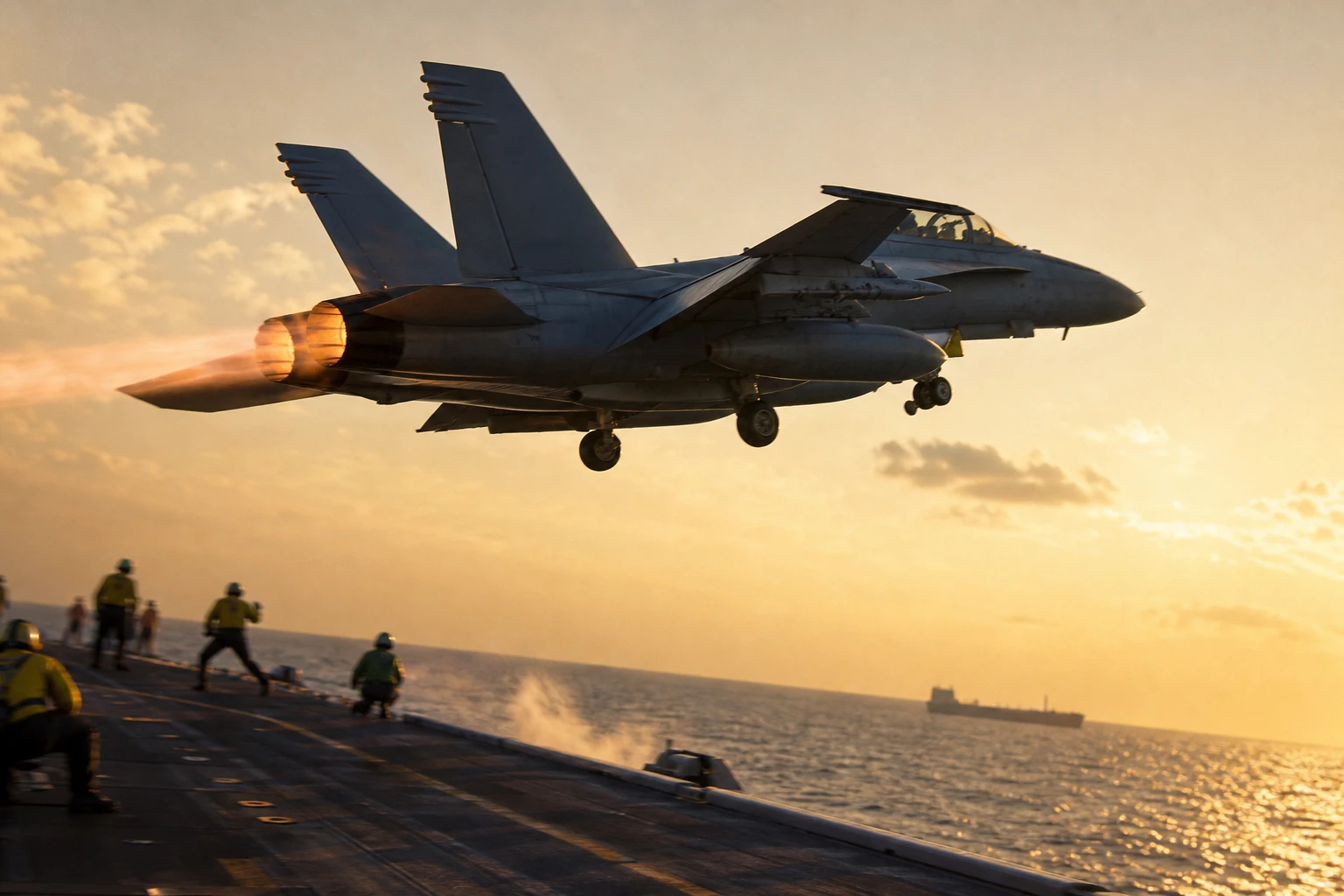
Monday’s strikes hit Iranian military targets and communications networks, part of what US Central Command has described as an effort to keep the Strait of Hormuz open. Iran retaliated with drones and missiles against American bases in Kuwait, Jordan, Bahrain and Iraq, and struck tankers moving through the strait.
President Trump said Monday that Iran “will pay” for killing three US soldiers in recent days. The New York Times reported that Washington is sending additional F-35 and F-16 fighter jets to the region, a signal that operations could widen further in the coming days.
Yemen’s Houthi rebels opened a second front. Houthi military spokesman Yahya Saree said the group would impose an immediate naval blockade on Saudi Arabia, calling it an “eye for an eye” response to what the group describes as a Saudi siege of Yemen’s capital, Sanaa, and a recent strike on Sanaa’s international airport.
What We Know:
- Saree said the blockade on Saudi shipping would take effect immediately, targeting vessels moving through the Bab el-Mandeb Strait at the mouth of the Red Sea.
- The group targeted more than 100 vessels during its 2023-2024 campaign against shipping tied to Israel, forcing many carriers to reroute entirely.
- Saudi Arabia’s military coalition in Yemen says it has taken steps to protect vessels sailing the Red Sea.
What’s Unconfirmed:
- The Houthis gave no details on how the blockade would actually be enforced.
- Former Houthi members have told the Associated Press the group’s drone stockpile is running low after years of fighting.
- Saudi Arabia had not formally responded to the blockade declaration as of Monday evening.
- Whether a new 10-day ceasefire proposal from Qatar and Pakistan can hold, given the last truce collapsed within weeks of being signed.
Oil traders are not fully convinced the war is escalating without limit. IG market analyst Tony Sycamore said overnight talk of de-escalation “appears to be capping the upside for the time being,” even with crude still sitting near multi-week highs.
What Happens if Two Oil Choke Points Close at Once?
Probably not a full simultaneous shutdown, but a level of disruption energy markets have never had to price at the same time. The Strait of Hormuz alone typically carries about a fifth of the world’s oil. The Red Sea’s Bab el-Mandeb Strait carries roughly 12% of world trade. With Hormuz already constrained, a serious move against the second route would strand output with almost nowhere else to go.
The Strait of Hormuz carries 34% of all global crude oil trade, according to the International Energy Agency (IEA), most of it bound for China, India, Japan and South Korea. Bab el-Mandeb, at the Red Sea’s southern gateway, normally handles about 12% of world trade and a quarter of global container shipping.
Saudi Arabia depends on both routes at once. With Hormuz already restricted by the war, Riyadh has leaned on a pipeline network to Red Sea export terminals to keep an estimated four to five million barrels a day moving, according to Edward Fishman, a Council on Foreign Relations (CFR, a US foreign policy think tank) expert. A Houthi blockade would threaten that same outlet.
This has happened before. The Houthis’ 2023-2024 Red Sea campaign cut oil shipments through Bab el-Mandeb from 9.3 million to 4.1 million barrels a day, forcing tankers onto the much longer route around Africa’s Cape of Good Hope.
Homebuilders Sink While Chipmakers Keep Climbing
Monday’s trading split cleanly along one line: companies that need cheap borrowing against companies riding the AI earnings wave.
| Group | Monday’s Move | What Drove It |
|---|---|---|
| Homebuilders (DR Horton, PulteGroup, KB Home, Toll Brothers, Builders FirstSource) | Down more than 2% | 10-year yield jumped to 4.60%, reviving mortgage-rate worries |
| Lennar, Home Depot | Down more than 1% | Same rate-sensitive housing drag |
| iShares Semiconductor ETF (SOXX) | Up 0.60% | Short covering ahead of megacap earnings |
| Marvell Technology | Up more than 3% | AI-infrastructure buying ahead of Wednesday’s Alphabet results |
| Crypto-linked stocks (Galaxy Digital, MARA Holdings, Riot Platforms, Circle Internet) | Up 8% to 9%+ | Bitcoin’s climb to a one-month high |
IREN Ltd, a former Bitcoin miner turned AI cloud-computing operator, closed up more than 19% after disclosing in a regulatory filing that it raised its year-end AI Cloud revenue target to more than $4 billion from $3.7 billion, backed by $2.8 billion in new multi-year contracts with customers including Microsoft and NVIDIA.
- Global Payments – up more than 5% after Morgan Stanley upgraded the stock to overweight with a $100 price target.
- Lumentum Holdings – up more than 4% after Barclays raised its rating to overweight with a $1,000 target.
- LXP Industrial Trust – up 4% after Brookfield Asset Management and CPP Investments agreed to buy the company for $5.2 billion, about $61.20 a share.
- Teradyne – up more than 3% after UBS raised its price target to $500 from $440.
- Penguin Solutions – down more than 11% after Barclays downgraded the stock to underweight with a $40 target.
- Warner Bros Discovery – down more than 3% after a federal judge paused Paramount Skydance’s takeover of the company, ruling it “likely” violates antitrust law.
- Truist Financial – down more than 2% after JPMorgan Chase downgraded the stock to underweight with a $53 target.
The split extended to crypto directly. Bitcoin climbed to a one-month high, and Strategy and Coinbase Global each added more than 2% to 3%.
Why a Rate Hike Is Back on the Table
Bond traders are doing their own repricing. Markets are now assigning a 17% chance of a quarter-point Fed rate hike at the July 28-29 meeting, up from odds close to zero a month earlier.
That is actually calmer than it looked a week ago. On July 13, hike odds spiked to 46.5%, the highest point of the year, as oil’s climb reignited inflation worries across trading desks.
The mechanism is straightforward. Odds are priced daily off 30-Day Fed Funds futures pricing, and each leg higher in crude has translated almost directly into a higher implied path for the funds rate. Swaps markets are pricing a smaller, related risk of their own: just a 5% chance the European Central Bank raises rates on Thursday.
The dollar has firmed in step, with traders bracing for interest rates staying higher for longer as oil keeps the inflation risk alive.
Earnings Season Bets Everything on AI
All of this lands days before Wall Street’s biggest earnings stretch of the year. Alphabet reports Wednesday, the first of the megacap technology companies. About 30 companies report Tuesday alone, including General Motors, Danaher, Capital One, Charles Schwab and Northrop Grumman.
Forecasts compiled by Bloomberg Intelligence point to Q2 earnings growth near 23% for the S&P 500, just below Q1’s 30% increase, itself more than double the 12% analysts had expected heading into that quarter. AI infrastructure spending is expected to supply nearly 60% of the index’s earnings-per-share growth this quarter.
DR Horton reports Tuesday too, hours after its own stock closed down more than 2% on the same yield spike weighing on the rest of the housing trade. The earnings math behind this week’s rally and the bond math punishing homebuilders both run through the same number: where the 10-year yield settles once the fighting, or the ceasefire, finally gets sorted out.
The Squeeze Goes Global
European and Asian markets absorbed the same forces differently. The Euro Stoxx 50 closed down 0.06%. China’s Shanghai Composite rose 0.85%, recovering from a 10.5-month low. Japan’s Nikkei-225 did not trade at all, with markets shut for the Marine Day holiday.
Government bond yields moved with US Treasuries. Germany’s 10-year bund yield rose 2.4 basis points to 3.150%, and the UK’s 10-year gilt climbed 8.1 basis points to 5.032%. German producer prices fell 0.3% for the month in June and rose 1.8% from a year earlier, in line with forecasts.
One regional market has moved in the opposite direction throughout the war. Tel Aviv’s stock exchange has repeatedly closed at record highs on the strength of Israeli defense stocks, a reminder that the same conflict punishing Dallas homebuilders has been good business for weapons makers in Israel.
Trading resumes Tuesday with Alphabet’s earnings two days out, the Fed’s meeting a week away, and Iran’s answer to the 10-day ceasefire proposal still unknown. The last time markets bet this war was ending, it took five weeks to prove them wrong.
Disclaimer: This article is for informational purposes only and does not constitute investment advice; oil, equities and crypto-linked stocks named here carry real risk, so consult a licensed financial adviser, and figures are accurate as of publication on July 21, 2026.
