
US officials secretly warned Iran this spring through intermediaries that Israel might try to assassinate its two lead negotiators during the US-Iran ceasefire talks, according to two US officials cited by CNN on Friday. The targets were Iranian Parliament Speaker Mohammad Bagher Ghalibaf and Foreign Minister Abbas Araghchi, the men who had stepped into Iran’s negotiating role after earlier counterparts were killed in Israeli airstrikes.
The New York Times first reported the warnings, and CNN, NBC News, and The Washington Post separately confirmed them, citing US officials. The Trump administration feared that killing either man would leave Washington with no counterpart at the table and effectively end the nascent peace process.
The Warning
Two US officials told CNN that the warning was communicated to Tehran through intermediaries. There were no immediate indications on Friday that US intelligence had knowledge of a specific, operational plot that prompted the warning. The fear, officials said, was that any successful hit on the two men would leave Washington with no counterpart at the table and effectively end the nascent peace process.
Washington asked countries in the Middle East to pass the warning to Iran, sources told The New York Times. The Defense Intelligence Agency had separately elevated Israel’s counterintelligence threat rating to its highest level, “critical”, in recent weeks, according to Kurdistan24. Trump officials have also been closely watching Israel’s spying network, which has ramped up intelligence collection on both Iranian and American officials in recent months, a US official said, as documented in the US warning to Iran about Israeli kill plots.
The Two Names On The List
Mohammad Bagher Ghalibaf leads Iran’s negotiating team as speaker of parliament. Abbas Araghchi serves as foreign minister and has been the most public face of Iran’s engagement with Washington. The two men took over after Israel killed Ali Larijani, Iran’s top national security official, and Kamal Kharazi, a former Iranian foreign minister, both of whom had been involved in early discussions with the Americans.
Ghalibaf and Araghchi had themselves been on a so-called “kill list” back in March, composed of top Iranian officials Israel sought to remove, the New York Times reported. They were removed from that list after intervention from the US as the negotiations began to take form, Reuters reported. Even with the removal, American officials continued to hold concerns that Israel would try to assassinate them anyway, which pushed Washington to ask countries in the Middle East to warn Iran about the possibility of an attack. NBC News confirmed the report on Thursday, citing a US official and an Iranian official with knowledge of the matter, while the Washington Post separately confirmed the same day, per the April near-miss over Iranian airspace.
Trump himself acknowledged the toll of the Israeli campaign in stark terms in March 2026. “Most of the people we had in mind are dead,” he told reporters when asked about possible Iranian negotiating partners. Asked in March to identify who the US was negotiating with, he declined: “I don’t want them to be killed. You know, it’s a little tough. They’ve wiped out everybody.”
- March 2026: Ghalibaf and Araghchi placed on Israel’s kill list, then removed after US intervention
- April 8, 2026: US-Iran ceasefire takes hold; Araghchi and Ghalibaf become lead negotiators
- April 2026: Two Israeli fighter jets detected near Ghalibaf’s flight returning from Islamabad
- June 17, 2026: US and Iran sign memorandum of understanding for a 60-day ceasefire
- Critical: DIA threat rating for Israel counterintelligence, the highest level
A Near-Miss Over Iranian Airspace
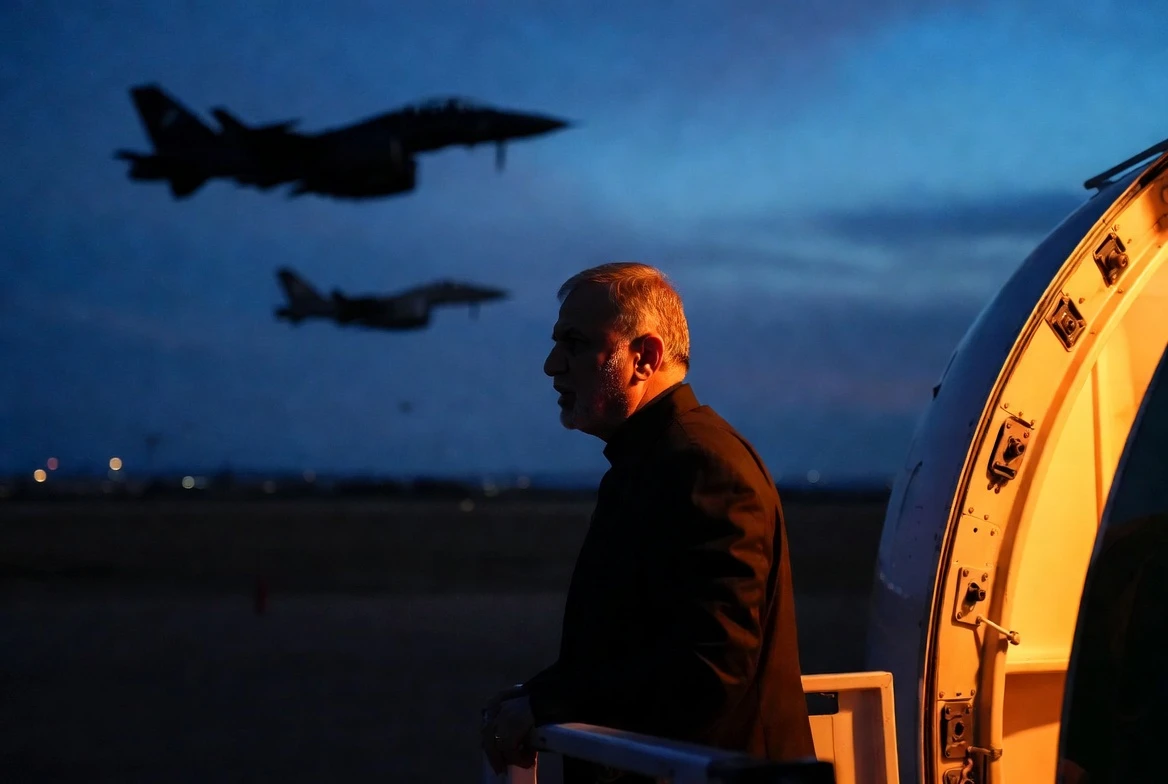
The fears appeared all the more real during Ghalibaf’s April trip to Islamabad to meet Vice President JD Vance. Iranian security officials, already concerned that Israel would use the trip as an opportunity to strike, sought guarantees from the US through Pakistani and Qatari intermediaries that no covert operation would be launched against the Iranian team while abroad. As an additional precaution, Pakistani fighter jets escorted the Iranian aircraft, carrying a delegation of more than 70 officials, from the Iranian border to Islamabad and back.
On the return flight to Tehran, Iran’s security forces notified Ghalibaf’s aircraft that they had picked up intelligence indicating that two Israeli fighter jets had entered the area with what was assessed as hostile intent toward the plane, the New York Times reported. The delegation arrived safely in Tehran, but the incident deepened Iranian concerns about the physical risks their negotiators were taking by engaging with Washington.
Mahdi Mohammadi, a senior adviser to Ghalibaf, said the plane was forced to make an emergency landing in Mashhad, Iran’s closest airport to Pakistan, and that the delegation then took an eight-hour trip by land to Tehran, as recounted in the Pakistani fighter escort that brought Iran’s delegation home. Ghalibaf had narrowly escaped death on two earlier occasions, the Jerusalem Post confirmed Thursday, during the 12-day war in June 2025 and again during the 2026 war, requiring rescue from beneath rubble on both occasions.
The Split Between Washington And Jerusalem
Trump and Israeli Prime Minister Benjamin Netanyahu have had intense disagreements on the war with Iran, with Netanyahu frustrated by the ongoing negotiations and Trump believing his Israeli counterpart is too eager to upend a nascent peace. In one particularly heated exchange in June, Trump used expletives to convey his disapproval of a planned Israeli military operation in Lebanon, according to two people familiar with the conversation.
I don’t want them to be killed. You know, it’s a little tough. They’ve wiped out everybody.
The warning to Iran tracks a broader US alarm about Israeli intelligence operations at home. The DIA had separately elevated Israel’s counterintelligence threat rating to its highest level, “critical”. The same week Iran publicly warned both the US and Israel against any strike during the Khamenei funeral, parliament speaker Ghalibaf used his speech to call Iranians into the streets of Tehran, in what amounted to Ghalibaf’s parallel warning during the Khamenei funeral week.
Responding to the New York Times story, the Israeli Prime Minister’s Office wrote on X: “As usual, The New York Times’ latest story about Israel and the Iranian negotiators is fake news. A complete fabrication of reality.” A spokeswoman for the Israeli embassy in Washington declined to comment. The White House did not respond to requests for comment. The diplomatic friction also runs alongside the recent US citizen charged in Israel with spying for Iran, the latest in what Israeli police say is an unprecedented wave of domestic espionage cases reaching back to 2023.
The deeper divergence, the New York Times reported, was over war aims: Washington wanted a negotiated settlement while Israel insisted on continuing the fight to achieve regime change, the destruction of Iran’s proxy forces, and serious damage to its missile programme. Israeli officials broadly viewed the June 17 memorandum of understanding between Washington and Tehran as a strategic setback, fearing it would allow Iran to rebuild financially without meaningfully restricting its nuclear ambitions.
Why The Targets Mattered
Araghchi and Ghalibaf stepped into their roles after the April 8, 2026 ceasefire, becoming the primary faces of Iran’s engagement with US envoy Steve Witkoff and Jared Kushner, Trump’s son-in-law who played a central role in the negotiations. Once talks were formally underway, US officials concluded that any Israeli attempt to kill either man would leave “no one else to talk to” and would almost certainly reignite the war, the Times of Israel reported.
- Early in the war: Israel assassinated scores of top Iranian leaders, including the supreme leader and national security official Ali Larijani
- March 2026: Ghalibaf and Araghchi placed on Israel’s kill list; removed after US intervention
- March 2026: Trump tells reporters, “Most of the people we had in mind are dead”
- April 8, 2026: US-Iran ceasefire takes hold; new Iranian negotiators step forward
- April 2026: Two Israeli fighter jets detected near Ghalibaf’s flight returning from Islamabad
- June 17, 2026: US and Iran sign memorandum of understanding for a 60-day ceasefire
The Trump administration ultimately changed course after Israel’s program of targeted executions failed to achieve broader political change inside Iran, CNN reported. Washington took a diplomatic path, concerned that more assassinations of prominent Iranian officials would undermine discussions and ignite a broader regional war.
Where The Deal Stands Now
The US and Iran have signed a memorandum of understanding calling for a 60-day ceasefire, though the agreement leaves the thorniest issues, including the fate of Iran’s nuclear stockpile, for later talks. Even with the 60-day agreement in place, Iran has fired on ships in the Strait of Hormuz, and the US has retaliated with strikes on Iranian targets, CNN reported. The future of the talks is uncertain even now. Two Israeli fighter jets were detected entering Iranian airspace with hostile intent toward Ghalibaf’s plane in April, and a Pakistani fighter escort was needed to bring the Iranian delegation home. Trump officials continue to monitor Israel’s expanded espionage operations on both Iranian and American targets, per CNN and the DIA’s separate “critical” threat elevation.
The June 17 memorandum of understanding remains the diplomatic track. The targeted-assassination track is what the United States is now publicly working to keep off the table.
Frequently Asked Questions
Who did the US warn Iran was being targeted?
US officials warned Iran through intermediaries that Israel might try to assassinate Iranian Parliament Speaker Mohammad Bagher Ghalibaf and Foreign Minister Abbas Araghchi, the two lead negotiators in the US-Iran ceasefire talks this spring, according to The New York Times, CNN, NBC News, and The Washington Post.
Did Israel kill either negotiator?
No. The two men were on a so-called kill list in March, were removed from it after US intervention, and survived the rest of the negotiation window. The most documented incident was a near-miss on Ghalibaf’s return flight from Islamabad in April, when Iranian security forces were notified that two Israeli fighter jets had entered the area with hostile intent toward his aircraft, forcing an emergency landing in Mashhad and an eight-hour overland trip to Tehran.
What did Israel say about the report?
The Israeli Prime Minister’s Office posted on X that the New York Times story was “fake news. A complete fabrication of reality.” A spokeswoman for the Israeli embassy in Washington declined further comment. The White House did not respond to requests for comment.
How strained is the US-Israel relationship right now?
CNN reported that Trump and Netanyahu have had intense disagreements over the war, including one particularly heated June exchange in which Trump used expletives to convey his disapproval of a planned Israeli military operation in Lebanon. The Defense Intelligence Agency has separately elevated Israel’s counterintelligence threat rating to its highest level, “critical.”
What is the current state of the US-Iran deal?
The US and Iran signed a memorandum of understanding on June 17, 2026, calling for a 60-day ceasefire, but the agreement leaves the fate of Iran’s nuclear stockpile for later talks. Iran has fired on ships in the Strait of Hormuz and the US has retaliated with strikes on Iranian targets, and CNN reports the future of the talks is uncertain.
