
Mert Ramazan Demir has reached a principle agreement to play Hasan in Ay Yapım’s television adaptation of Susuz Yaz, according to Turkish media reports dated August 13, 2026. The role sits at the center of Necati Cumalı’s story of two brothers locked in a fight over land, water and control.
Preparations are advancing with screenwriter Sema Ergenekon and director Yusuf Pirhasan already attached. The broadcaster remains unset and the female lead is still open.
Demir Takes the Younger Brother Role
Demir will portray Hasan, the character first played by Ulvi Doğan in the 1963 film. Industry sources say the deal is in principle and not yet fully signed. He arrives after years as Ferit Korhan in Yalı Çapkını opposite Afra Saraçoğlu, a part that made him one of Turkish television’s most watched young actors.
His recent credits also include Delikanlı on Show TV. The new project would mark a clear shift from glossy romantic drama into a heavier literary adaptation shot outside Istanbul.
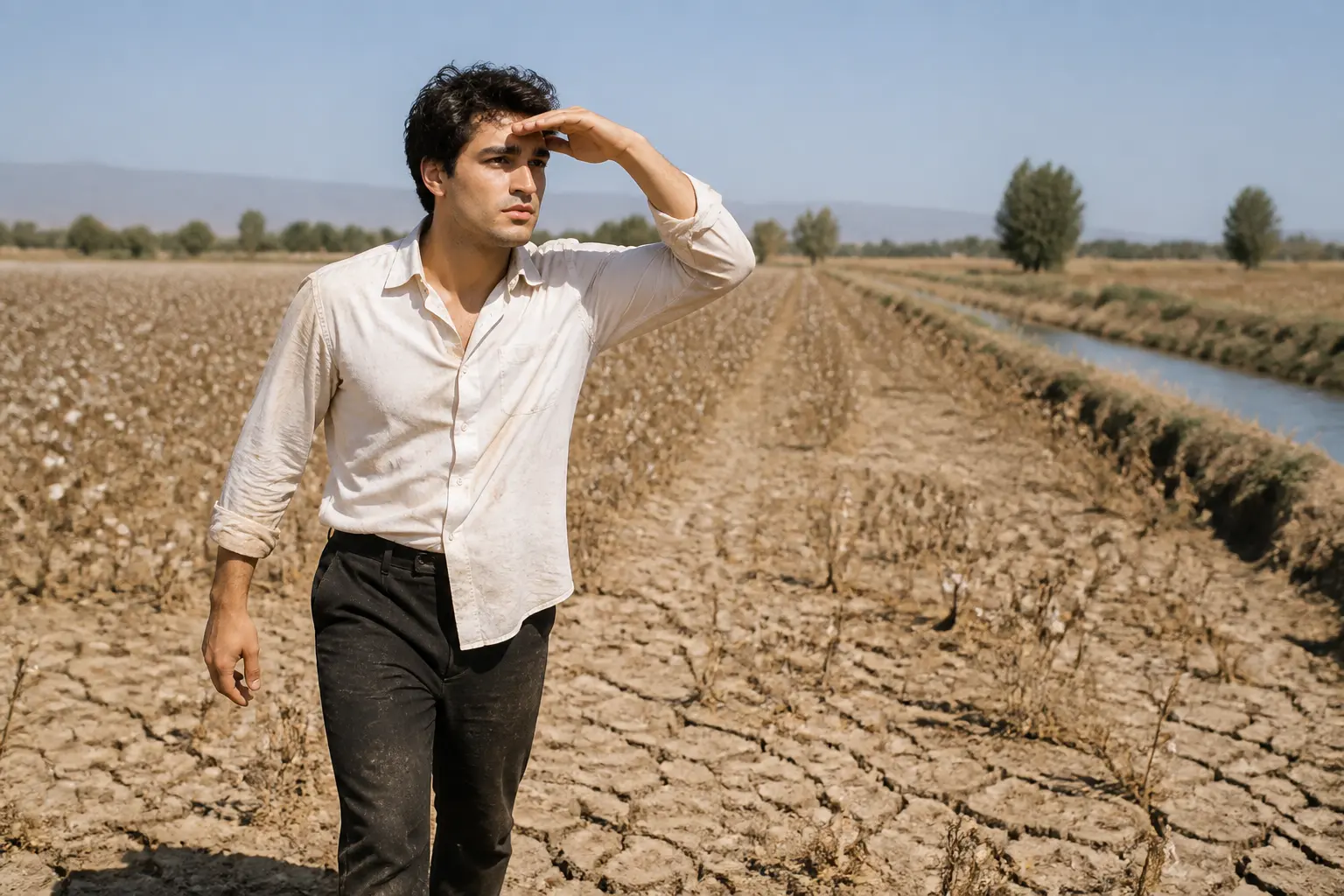
Hasan is the brother who resists the cutoff. The part asks for quiet pushback rather than the polished charm that defined Ferit. That change in register is the point of the move: a young lead known for Bosphorus romance steps into a rural conflict built on scarcity and family fracture.
If the principle agreement becomes a full signature, the casting locks Demir into the story’s moral pressure point before the older brother and Bahar roles are settled.
| Character | 1963 Film Actor | 2026 Series Status |
|---|---|---|
| Hasan | Ulvi Doğan | Mert Ramazan Demir (principle agreement) |
| Osman | Erol Taş | Kaan Urgancıoğlu (offer reported, unconfirmed) |
| Bahar | Hülya Koçyiğit | Open; search continues for new or known face |
Kaan Urgancıoğlu has been offered the older brother Osman. Reports stress the talks have not closed. If both men sign, they would share the screen for the first time as siblings whose rivalry drives the plot.
The Film That Won Turkey Its First Golden Bear
Necati Cumalı published the story in 1962. Metin Erksan adapted and directed the 1963 black-and-white film, shot over nine months in Bademler village near Urla, İzmir. Ulvi Doğan produced and starred as Hasan. Erol Taş played Osman. Hülya Koçyiğit made her screen debut as Bahar.
Turkish censors blocked domestic release. Doğan smuggled a print to Europe. The film premiered at the 1964 Berlin International Film Festival and took the Golden Bear, the first major international prize for a Turkish production. It later earned further festival honors and a restored Criterion Collection release overseen by Martin Scorsese’s World Cinema Project.
- 1962, Necati Cumalı publishes the story drawn from his years as a lawyer observing land and water disputes.
- 1963, Filming begins in Bademler; Erksan directs, Doğan produces and acts.
- June 1964, Golden Bear win at Berlin after the smuggled print reaches the festival.
- 2013, Criterion restores and releases the film internationally.
- June 2026, Ay Yapım acquires the rights for a series adaptation.
The plot turns on Osman’s decision to claim a spring on the family land and cut off the village. Hasan resists. Desire for Bahar, injustice and the raw power of water as a resource fuel the conflict. The television version is expected to keep that core while updating the setting for contemporary viewers.
That path from a blocked domestic release to a Golden Bear and later a Criterion restoration explains why the title still carries weight. A series adaptation inherits a film that already proved the story could travel beyond its village of origin.
Ergenekon Writes, Pirhasan Directs
Sema Ergenekon is writing the series. She has already delivered two Golden Butterfly awards for best screenwriter, one shared on Karadayı and another for Yargı. Yargı also took an International Emmy for best telenovela. Her earlier credits include Gümüş, Sıla and Kara Para Aşk.
Yusuf Pirhasan will direct. Ay Yapım, founded by Kerem Çatay, holds the rights and is running the production. Filming is planned for Adana, shifting the geography from the original Aegean village to a southern province known for agriculture and heat.
- Writer: Sema Ergenekon (Yargı, Karadayı)
- Director: Yusuf Pirhasan
- Production company: Ay Yapım production company site
- Planned location: Adana
- Source material: Necati Cumalı’s 1962 story via the 1963 film
The combination of a proven prestige writer, an established director and a major production house has made the project one of the most watched developments for the coming television season even before a channel is named.
Ergenekon’s track record in long-form moral conflict gives the adaptation a clear drafting voice. Pirhasan’s attachment supplies the other half of the craft pairing. Together with Ay Yapım’s rights hold, the creative side is further along than the casting or broadcast side.
Why the Water Conflict Still Lands
Cumalı based the story on real disputes he saw while practicing law. Brothers who own the spring try to keep the water for themselves. Villagers who depend on it push back. The law, violence and sexual tension around Bahar escalate the fight. The opening exchange in the film captures the stake: Osman claims the water is theirs to use as they please; Hasan answers that water is the blood of the land and no one will accept the cutoff.
Su bizim değil mi, ne şekil istersek öyle kullanırız.
That line belongs to Osman in the 1963 version. The television team has not released script pages, yet the enduring appeal of the material is clear: control of a scarce resource, family betrayal and the cost of power remain familiar pressures in rural and urban Turkey alike.
Journalists and fans have already begun debating the tone. Some expect a faithful psychological drama. Others anticipate a more commercial expansion of the love triangle and village politics. Either path will test whether a sixty-year-old story can hold prime-time audiences who first met Demir as a spoiled heir in a Bosphorus yalı.
The same pressures that drove Cumalı’s lawyer-era observations still read cleanly on screen. Property, scarcity and a family split over a spring do not need heavy modernization to feel current. The open question is how far weekly television will stretch the village politics around that core.
What Remains Unsettled
Several pieces are still missing. The actress for Bahar has not been chosen. Early reports say the production is looking hard at a new face, echoing how Koçyiğit herself was discovered for the original film at age sixteen. Names circulating among viewers include established stars, yet no shortlist has been confirmed.
What We Know
- Mert Ramazan Demir principle deal for Hasan
- Sema Ergenekon writing, Yusuf Pirhasan directing
- Ay Yapım producing, Adana filming planned
- Rights secured in June 2026
What’s Unconfirmed
- Kaan Urgancıoğlu as Osman
- Identity of Bahar
- Television channel and premiere window
- Final shooting start date (reports mention possible September-October 2026)
Journalist Birsen Altuntaş first detailed the Demir talks in a post that drew more than 1.4 million views. Her Birsen Altuntaş casting report on X remains the most widely cited public source. Later coverage from Beyazperde and other outlets repeated the same outline without official confirmation from the production.
Until Bahar, Osman and the channel lock in, the project stays in a half-built state: creative leads and one principle cast deal on one side, open roles and an unnamed broadcaster on the other.
A Career Move After Yalı Çapkını
Demir was born in 1998 in Şile, Istanbul, the youngest of six. He trained in acting after early interest in sports and school theatre. Supporting roles led to the lead in Yalı Çapkını from 2022 to 2025. That series turned him into an international name among Turkish drama viewers. Awards included a PRODU Awards Golden Boy win.
Taking Hasan places him inside a classic rather than another original romantic vehicle. The role demands a different register: quieter intensity, rural physicality and moral ambiguity. Fans on X have already framed the casting as proof he can carry heavier material. One widely liked reply noted that some actors play characters while Demir makes audiences believe they exist. Rival fan accounts used the news to draw lines about who belongs in prestige projects.
The Mert Ramazan Demir career overview shows a steady climb from bit parts to leading man. Susuz Yaz would be the clearest attempt yet to lock in dramatic range before the next decade of his work.
The contrast with Ferit Korhan is the career signal. A spoiled heir in a yalı taught audiences his face. Hasan would ask those same viewers to accept him as a younger brother fighting over water in the heat of Adana.
| Stage | Project | What it signaled |
|---|---|---|
| Breakthrough lead | Yalı Çapkını (2022-2025) | International name in romantic drama |
| Recent credit | Delikanlı on Show TV | Continued television visibility |
| Next step (reported) | Hasan in Susuz Yaz | Shift into literary, rural conflict |
Adana Reframes the Original Landscape
The 1963 film was shot over nine months in Bademler village near Urla, İzmir. The series plans to film in Adana instead. That choice moves the story from an Aegean village to a southern province known for agriculture and heat.
The spring, the land and the cutoff remain the plot engine either way. Geography changes the texture around them. Heat and farmland in Adana give the water conflict a different physical backdrop from the original Aegean setting without rewriting Cumalı’s core dispute.
- Original shoot: Bademler village near Urla, İzmir
- Series plan: Adana
- Shared stake: control of a spring on family land
- Unchanged pressure: villagers cut off from water they need
Ay Yapım’s location plan therefore updates the frame while leaving the resource fight intact. Viewers who know the restored film will notice the shift. Viewers who meet the story first on television will simply see brothers and a village locked over water in the south.
The Open Roles Still Shape the Series
Demir’s principle agreement for Hasan is the only cast piece reported as advanced. Urgancıoğlu’s offer for Osman remains unconfirmed. Bahar is fully open, with the production said to be looking hard at a new face in the spirit of Koçyiğit’s screen debut at sixteen.
Those gaps matter because the rivalry and the desire around Bahar drive the plot. A closed Hasan deal without a closed Osman deal leaves the sibling axis unfinished. An open Bahar search leaves the emotional third point unfinished as well.
- Hasan – principle agreement with Mert Ramazan Demir
- Osman – offer reported to Kaan Urgancıoğlu, talks not closed
- Bahar – no choice yet; new face under active consideration
Channel talks and a possible September-October 2026 shooting window sit behind the same unfinished list. The creative attachments are set. The on-screen triangle is not. How those remaining choices land will decide the tone fans are already debating: faithful psychological drama or a wider commercial expansion of village politics and the love triangle.
How the Remake Fits a Longer Pattern
Turkish television has returned to literary and cinematic classics before, yet few carry the exact weight of a Golden Bear winner. The 1963 film still appears in restoration programs and academic discussions of social realism. Its themes of property, scarcity and family fracture map cleanly onto current conversations about resources and inequality.
Ay Yapım’s decision to pair a bankable young star with Ergenekon’s writing machine follows a proven commercial logic: prestige source material plus proven craft plus recognizable faces. Whether the finished series keeps the original’s sharp edges or softens them for weekly television will decide if the revival deepens the classic or simply borrows its name.
For now the production continues behind closed doors. Casting calls for Bahar move forward. Channel talks continue. If the reported agreements close, viewers will watch two brothers fight over water in Adana while a new generation discovers the story that once smuggled itself to Berlin and came home with gold. The 1963 Susuz Yaz film details remain the fixed point against which every new choice will be measured.
