
A dramatic video showing huge plumes of smoke rising from a high rise building in Tel Aviv went viral this week. Many claimed it proved Iran had struck and destroyed the Mossad headquarters. Fact checkers quickly confirmed it is fake and made with artificial intelligence.
The clip spread rapidly on social media as the Middle East conflict entered its 35th day. This latest piece of misinformation highlights how quickly false images can fuel tensions in an already volatile war.
How the Fake Video Spread Across Social Media
The video first appeared on April 2 from an X account known for posting AI generated content. Its caption declared that the Mossad headquarters in Tel Aviv had been completely vaporized by an Iranian strike. The post racked up more than two million views in a short time.
Pro Iranian accounts quickly picked it up and shared it further. One popular post asked viewers if the footage could possibly be real and gathered 1.7 million views. Many users in the region and beyond reacted with excitement or disbelief. Some celebrated what they thought was a major blow to Israel while others questioned the lack of official confirmation.
The timing mattered. Iran has launched missile and drone attacks on Israel since late February in response to initial US and Israeli strikes. People on both sides are hungry for news of major developments. This created the perfect environment for the clip to travel fast across platforms including X, Instagram, and WhatsApp groups.
Clear Signs Experts Found It Was AI Generated
Fact checkers from iVerify and other groups examined the video closely. They spotted several visual problems typical of artificial intelligence tools.
Smoke plumes moved in unnatural ways that did not match real physics. Building details flickered and changed inconsistently between frames. The skyline in the background did not accurately represent the actual area where Mossad operates.
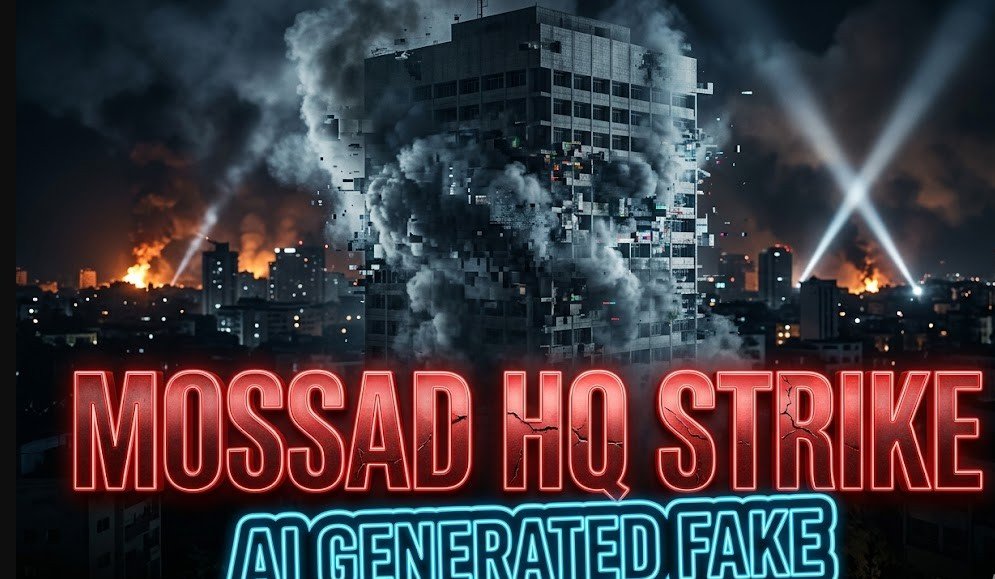
Mossad headquarters sits in the Glilot neighborhood north of Tel Aviv near Herzliya. It forms part of a secure military base shared with other intelligence units. The video instead showed a generic urban high rise scene that did not match known images of the site.
Audio elements also raised red flags. Explosion sounds felt mismatched with the visual scale. Independent digital forensics experts who reviewed the clip for multiple outlets agreed it showed clear patterns of synthetic generation rather than real footage.
The Real State of the Ongoing Conflict
The war began on February 28 when the United States and Israel launched coordinated airstrikes on Iranian military sites. Targets included missile systems, nuclear related facilities, and leadership compounds. These actions marked a sharp escalation after years of tension.
Iran hit back with waves of missiles and drones aimed at Israel and US bases in the region. The fighting has continued without major breaks. Reports confirm several senior Iranian figures died in the initial strikes and follow up operations.
As of early April the conflict remains active with both sides exchanging attacks. Civilian areas have suffered damage on multiple fronts. People across the Middle East watch developments anxiously while trying to separate real events from fabricated claims.
No credible sources have reported any successful strike on the Mossad headquarters itself. Israeli officials maintain that key intelligence facilities continue to operate despite the broader barrage of attacks.
Why Misinformation Spreads So Easily in This War
This is not the first fake video to gain traction. Fact checkers have documented a surge in AI generated content since the conflict started. Creators use new tools to produce convincing but false scenes of destruction, missile strikes, and dramatic explosions.
Several factors make this problem worse. Smartphones and fast internet let anyone share content instantly. Strong emotions on all sides encourage quick sharing before verification. Algorithms on social platforms reward dramatic videos with more views and reach.
Key red flags for spotting AI war videos include:
- Unnatural movement in smoke, fire, or debris
- Inconsistent lighting and shadows across the scene
- Buildings or landmarks that do not match real locations
- Audio that feels slightly off from the visuals
Experts urge people to pause before sharing. Cross check with established news outlets and fact checking organizations. In times of conflict reliable information becomes a valuable resource for staying safe and informed.
The rapid spread of this particular video shows how easily false narratives can influence public opinion. Some viewers expressed real hope or fear based on the clip before learning the truth. Others used it to push stronger political messages online.
As the fighting continues families on the ground deal with very real dangers while the online world fills with manufactured drama. The gap between actual events and viral claims creates confusion that makes the situation even harder for everyone involved. Staying calm and seeking verified facts remains one of the best ways to navigate this challenging time.
