
Saudi Arabia is reassessing its role in the escalating conflict with Iran after fresh strikes hit a key military base hosting American troops. The kingdom, once pushing hard for restraint, now signals it may take stronger action to protect its territory and interests. This change comes as Iranian missiles and drones continue targeting the region.
The Strike That Changed Everything
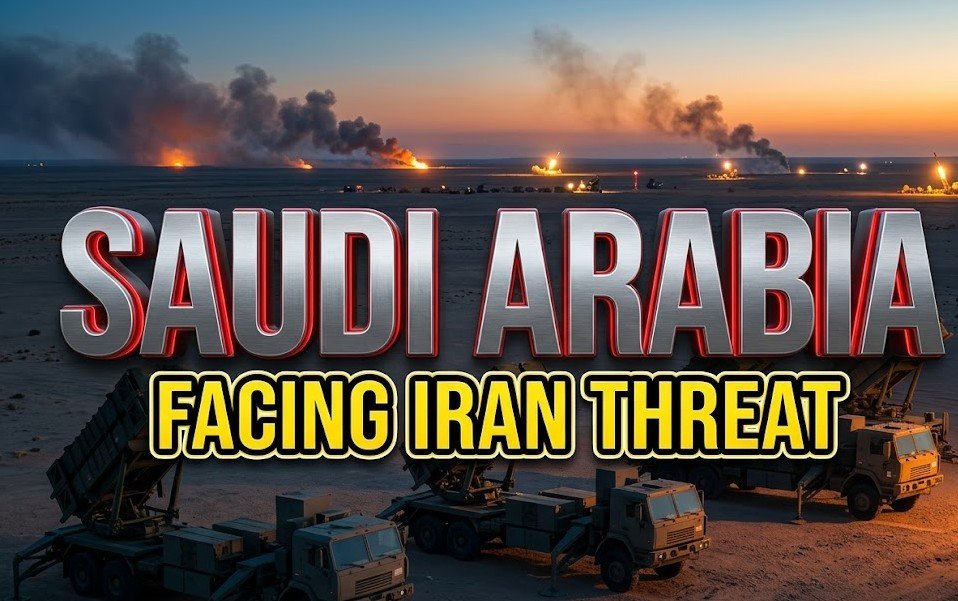
Iran launched a major attack on Prince Sultan Air Base late last week. Six ballistic missiles and 29 drones struck the facility, which lies about 60 miles from Riyadh and hosts both Saudi and US forces.
The barrage injured at least 12 to 15 American troops, with several suffering serious wounds. It also damaged multiple aircraft, including refueling planes, with reports of one destroyed. Saudi air defenses intercepted some incoming threats, but the strike still breached protections at the strategically vital site.
Riyadh’s Policy Shift
This latest assault marks a turning point for Saudi leaders. Early in the conflict, which intensified with US and Israeli operations against Iran in late February, Riyadh urged caution. Senior officials pressed Washington to avoid a wider war and made clear that American strikes on Iran could not use Saudi airspace.
Yet repeated Iranian attacks changed the calculation. Iran targeted Saudi energy sites and military installations. In response, the kingdom condemned Tehran strongly, granted US forces greater access to bases, and expelled five Iranian diplomats, including the military attaché, on March 21. Officials gave them just 24 hours to leave.
Key Saudi Actions So Far
- Warned Iran that Gulf patience has limits and response capabilities are significant
- Expelled Iranian military and embassy staff
- Allowed expanded use of military facilities by US partners
- Intercepted multiple missile and drone threats over its territory
- Hosted regional meetings to coordinate responses
Foreign Minister Prince Faisal bin Farhan delivered a firm message on March 19. He stated that the patience shown toward Iranian attacks is not unlimited. The kingdom now stands ready to defend itself directly if strikes continue.
Roots of the Long Rivalry
The current tensions build on decades of deep rivalry between Saudi Arabia and Iran. The two powers have competed for influence across the Middle East through proxy conflicts in places like Syria, Iraq, Lebanon, and Bahrain.
Yemen has emerged as a central front in this shadow war. Iran-backed Houthi rebels there have launched attacks that often draw in Saudi responses. The ongoing conflict has strained resources and highlighted vulnerabilities along Saudi borders.
As the broader war with Iran unfolds, Houthis have stepped up operations, including strikes toward Israel. This adds another layer of risk for Saudi security planners who view Yemen as a critical pressure point.
Diplomacy Alongside Deterrence
Even as it toughens its military posture, Saudi Arabia continues diplomatic efforts to contain the fighting. Officials maintain backchannel talks with Iran and have hosted meetings with Arab and Islamic nations to urge de-escalation.
The kingdom wants the Iranian threat neutralized but prefers measured steps over all-out confrontation. Energy infrastructure remains a major concern. Attacks on oil facilities and gas plants in Saudi Arabia and neighboring states threaten global markets and the kingdom’s economic goals under Vision 2030.
Saudi leaders recognize that prolonged instability could derail development plans and harm ordinary citizens who seek stability after years of regional turmoil.
The Road Ahead
The recent strike on Prince Sultan Air Base shows how quickly the situation can deteriorate. Iranian forces appear determined to hit back at US presence in the Gulf by targeting bases in Saudi territory. This forces Riyadh into a difficult balancing act between protecting sovereignty and avoiding a direct clash that could engulf the entire region.
Observers note that a weakened Iran could open opportunities for greater Saudi influence across the Middle East. Yet an unstable neighbor also carries dangers, including refugee flows, disrupted trade routes, and empowered militant groups.
Saudi Arabia has built strong air defenses and modernized its military in recent years. These investments now face a real test as the conflict enters a more dangerous phase.
The kingdom’s next moves will shape not only its own security but the future of Gulf stability. Leaders in Riyadh must weigh the costs of action against the risks of appearing vulnerable to further attacks.
As tensions remain high, the people of Saudi Arabia and the wider region watch closely. Many hope for a path back to calm before more lives are lost and more damage occurs to vital infrastructure that supports daily life and economic hopes.
What are your thoughts on Saudi Arabia’s evolving role in this conflict? Share your views in the comments below. If you are following developments on social media, join the conversation using #IranWar and discuss with friends and family how these events affect regional peace.
