
Israel’s Health Ministry said Tuesday that two patients hospitalized with suspected Ebola Bundibugyo infections tested negative for the disease. Both had recently returned from the Democratic Republic of the Congo, where the country’s 17th Ebola outbreak has now crossed 1,000 confirmed cases. The alert put five Israeli hospitals on standby for four days and ended without Israel’s first recorded Ebola case.
Israel has never had a confirmed Ebola case, the Health Ministry noted. Several suspected cases during the 2014 outbreak also tested negative, and the country has long treated the disease as a question of when, not if, the alert would come.
Two Suspected Cases in Israel Test Negative
The first suspected patient was admitted Friday to Rambam Health Care Campus in Haifa after arriving from the DRC the day before. The second was admitted Sunday to Sheba Medical Center in Tel Aviv after developing fever, headache and diarrhea. Both were placed in isolation wards equipped for high risk infectious diseases, and the Health Ministry launched parallel epidemiological investigations to trace contacts.
Prof. Jacob Strahilevitz, head of the Clinical Microbiology and Infectious Diseases Department at Hadassah Medical Center in Jerusalem, told The Times of Israel that the five hospitals designated to receive potential Ebola patients are taking “all the necessary measures so that we can be prepared.” The two negative results mean Israel’s Ebola case count remains at zero, and the hospitals have begun standing down from their heightened posture. The two patients continue to receive treatment for their underlying conditions.
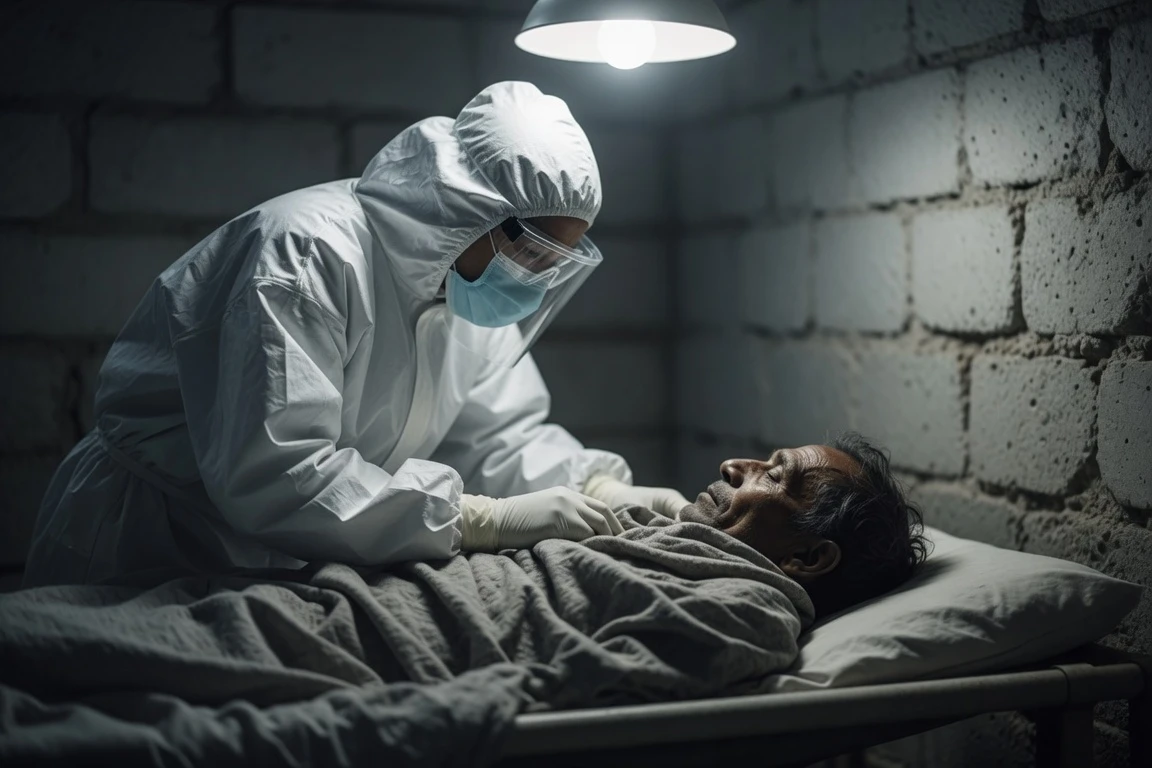
A 17th Outbreak in the DRC, and the Second Largest on Record
- 1,048 confirmed cases in the DRC as of 22 June
- 267 confirmed deaths in the DRC
- 20 confirmed cases in Uganda, including 2 deaths
- 371 patients currently in isolation in the DRC
- 2nd largest Ebola outbreak ever recorded
As of 22 June, the DRC Ministry of Health reported 1,048 confirmed cases and 267 confirmed deaths, with another 371 patients still hospitalized in isolation, according to the case totals across both countries through 23 June. Uganda has reported 20 confirmed cases and two deaths. The U.S. Centers for Disease Control and Prevention confirmed on 22 June that the DRC outbreak had crossed 1,000 cases, making it the second largest Ebola outbreak on record, and that the case count has risen faster than for any previous Ebola outbreak.
Previous Bundibugyo outbreaks give a sense of what this strain can do.
| Outbreak | Country | Death rate |
|---|---|---|
| Uganda, 2007 | Uganda | 32% |
| DRC, 2012 | Democratic Republic of the Congo | 55% |
| Current, 2026 | DRC and Uganda | Between 30% and 50% |
The current outbreak is already the largest Bundibugyo outbreak ever recorded, per the CDC. Strahilevitz puts the current case fatality rate “somewhere between 30% and 50%,” lower than the 60 percent fatality rate of the West African Zaire strain outbreak that killed 11,000 people from 2014 to 2016. The World Health Organization has declared the situation a global health emergency.
Bundibugyo: A Strain With No Approved Vaccine
The Zaire strain of Ebola now has a vaccine. The Bundibugyo strain does not. That gap is the core medical problem of the current DRC outbreak. The vaccine that emerged from the 2014 to 2016 West Africa crisis does not protect against this orthoebolavirus species, and there are no approved specific treatments.
The only proven tools are strict isolation of suspected cases, contact tracing, safe burials, and community engagement. Jean Jacques Muyembe, the Congolese microbiologist who first encountered the Ebola virus in 1976, declared in 2021 that the disease was “defeated.” The Bundibugyo outbreak is the reckoning for that statement, a reminder that defeat was declared against the better known Zaire strain, not the rarer Bundibugyo species that has now produced the second largest Ebola outbreak on record.
The vaccine for the previous virus is not effective, the drugs are ineffective, and the only way to stop it is by strict isolation precautions.
Strahilevitz said it in an interview with The Times of Israel, summarizing the medical reality on the ground in the DRC.
Civil War, USAID Cuts, and a Slow Response
The response in the DRC is being shaped by a country at war. Medical resources are diminishing, Strahilevitz said.
Funding to USAID has stopped, he said, and Doctors Without Borders, the WHO and UNICEF have stepped in to fill gaps, though with fewer drugs and less infrastructure than before. The current outbreak was identified only several months after it began, by which point thousands had already been affected. Security incidents against health facilities and community resistance have emerged as major operational challenges in Ituri Province, the WHO reported in late May.
Ituri accounts for 88 percent of confirmed cases in the DRC, and the outbreak now crosses three provinces: Ituri, North Kivu and South Kivu. Sixteen confirmed cases have been reported among health workers in the DRC alone. A medical doctor from the United States who had treated patients in the DRC tested positive in mid May and was transported to Germany for care, per the WHO’s outbreak bulletin with case data.
The WHO’s first meeting of the IHR Emergency Committee was convened on 19 May. Director General Dr Tedros Adhanom Ghebreyesus traveled to the DRC on 28 May to support the response. WHO assessed the risk as very high nationally in the DRC, high regionally, and low globally. The agency has not recommended broad travel or trade restrictions, but is urging countries to maintain readiness for rapid identification of suspected cases. Israel, Europe and North America remain in the low risk category.
How Bundibugyo Spreads and Why It Kills
Bundibugyo virus spreads through direct contact with the blood, bodily fluids or secretions of an infected person, or with surfaces and objects they have contaminated. It is not airborne.
Infected people secrete viable virus from blood and other secretions and become the source of subsequent transmissions. During the 2014 to 2016 outbreak, the practice of washing and keeping the deceased at home for days drove many new infections, until burial practices were changed. Once infected, a person can carry the virus for up to 21 days before symptoms appear, the WHO confirmed range.
The first phase looks like flu: fever, muscle aches, joint pain. The virus then spreads through the body, triggering vomiting and diarrhea, and bleeding in internal organs including the lungs. Patients often die of dehydration caused by the diarrhea and internal bleeding, Strahilevitz said. There is no specific therapy; medical care is supportive rehydration and nutrition, the only treatment that exists for this strain.
Israel’s Five Hospital Network and the Wider Alert
Israel designated five hospitals to receive any confirmed Ebola case: Rambam in Haifa, Sheba in Tel Aviv, Hadassah in Jerusalem, Soroka in Beersheba, and Ichilov in Tel Aviv. The Health Ministry has provided personal protective equipment to all five to secure the safety of frontline staff. The ministry has reiterated its call for the public to avoid nonessential travel to the DRC and Uganda. Travelers heading to those regions are directed to consult a travel clinic first.
Strahilevitz estimates there are dozens of Israelis currently in affected areas of Africa. Those boarding flights back are handed Health Ministry information instructing them to contact a physician immediately if symptoms develop. He stressed that returning travelers are far more likely to be carrying respiratory infections, malaria or typhoid than Ebola, but that anyone with Ebola could already have transmitted it to relatives. Some may be reluctant to report symptoms because they fear hospital isolation, he warned.
What Returning Travelers Are Told to Watch For
Returning travelers who develop fever or unusual symptoms within 21 days of leaving the DRC or Uganda are told to stay home, avoid contact with others, and call the Health Ministry hotline at 5400*. The hotline advises them not to go directly to a clinic or emergency room.
The hotline begins with travel history and symptoms, and routes suspected cases to one of the five designated hospitals. Symptoms to watch, per Strahilevitz and the Health Ministry guidance:
- Fever or headache within 21 days of leaving an affected region
- Muscle or joint pain that follows the fever
- Vomiting or diarrhea
- Any bleeding that has no other clear cause
Both patients in the current Israeli alert continue to receive medical care for their underlying conditions, the Health Ministry said Tuesday. The hospitals have returned to routine operation, with isolation protocols standing down. Strahilevitz said the chance of the current strain reaching Israel “remains very low,” a judgment that may be tested again the next time a returning traveler from the DRC or Uganda walks into an emergency room with a fever.
Frequently Asked Questions
Has Ebola ever been confirmed in Israel?
No. Israel’s Health Ministry states there has never been a confirmed Ebola case in the country. Several suspected cases during the 2014 West African outbreak were investigated and all tested negative, according to the ministry’s public record.
What is Bundibugyo virus and how is it different from the Zaire strain?
Bundibugyo virus is one of six known orthoebolavirus species that cause Ebola disease in humans, first identified in Uganda’s Bundibugyo District in 2007. It is distinct from the Zaire strain, the more common species that drove the West African outbreak and now has an approved vaccine. Bundibugyo has produced only three recorded outbreaks, in Uganda in 2007, in the DRC in 2012, and the current DRC and Uganda outbreak that began in 2026.
Is there a vaccine for the current Ebola outbreak?
No approved vaccine exists for the Bundibugyo strain. The Ervebo vaccine, which is highly effective against the Zaire strain, does not protect against Bundibugyo, and there are no approved specific antiviral treatments. Control relies on isolation, contact tracing, safe burials, and infection prevention in health care settings.
What should someone do if they have recently traveled to the DRC or Uganda?
Israel’s Health Ministry instructs returning travelers to monitor themselves for 21 days, and to call the ministry hotline at 5400* before going to a clinic or hospital if fever, headache, vomiting, diarrhea, or unexplained bleeding develops. The CDC recommends avoiding nonessential travel to Ituri, Nord Kivu and Sud Kivu provinces in the DRC, and has issued Travel Health Notices for both countries.
How does Ebola spread from person to person?
Bundibugyo virus spreads through direct contact with the blood, bodily fluids, or secretions of a symptomatic person, or with surfaces and objects contaminated by those fluids. It is not airborne. The virus enters through broken skin or mucous membranes, including the eyes, nose and mouth.
Disclaimer: This article is for informational purposes only and is not medical advice. The Ebola outbreak is a rapidly evolving situation. Figures cited are accurate as of the publication date. Consult a qualified health professional or your national health authority for current guidance, especially if you have recently traveled to an affected region.
