
Egypt in summer carries a bad reputation it does not fully deserve. Yes, Luxor can touch 45°C (113°F) in July, and a midday walk through an open temple will test anyone. But the same months that scare the crowds away also deliver hotel and cruise rates up to 40 percent below peak, near-empty monuments at sunrise, and a Red Sea warm enough to dive without a wetsuit.
The winter-postcard version of the country, with packed temples and premium pricing, is the one most travelers book between November and February. The summer version asks for earlier alarms, lighter clothing, and a lot more water, and it hands back a quieter, cheaper Egypt in exchange.
The Heat Map: What Summer Feels Like Across Egypt
The first thing to understand is that Egypt does not have one summer climate. It has three, and they behave very differently. The desert south bakes, the capital simmers, and the coast stays surprisingly civilised thanks to the sea.
The crucial detail is that this is dry heat with very low humidity. A 40°C afternoon in Aswan is physically easier to manage than a humid 33°C day in a tropical city, because sweat actually evaporates and shade brings real relief. Mornings before 9am and evenings after sunset are routinely pleasant, even in the hottest weeks.
| Region | June daytime high | Peak July to August high | After dark |
|---|---|---|---|
| Cairo | 34°C (94°F) | 37 to 41°C (99 to 106°F) | around 22°C (71°F) |
| Luxor and Aswan | 40°C (104°F) | 42 to 45°C (108 to 113°F) | around 24°C (75°F) |
| Red Sea coast (Hurghada, Sharm El Sheikh) | low to mid 30s°C | mid to high 30s°C, eased by breeze | warm and breezy |
Read that table as a scheduling tool rather than a warning. The numbers tell you exactly when to be outside (early and late) and when to be indoors or in the water (the long middle of the day).
The Crowd Math That Flips the Calendar
Egypt is busier than it has ever been. The country welcomed roughly 19 million visitors in 2025, a 21 percent jump over the previous year, and the government has set a target of 30 million annual arrivals. Direct flights now reach Egyptian destinations from 193 cities worldwide, and charter traffic alone rose by about a third.
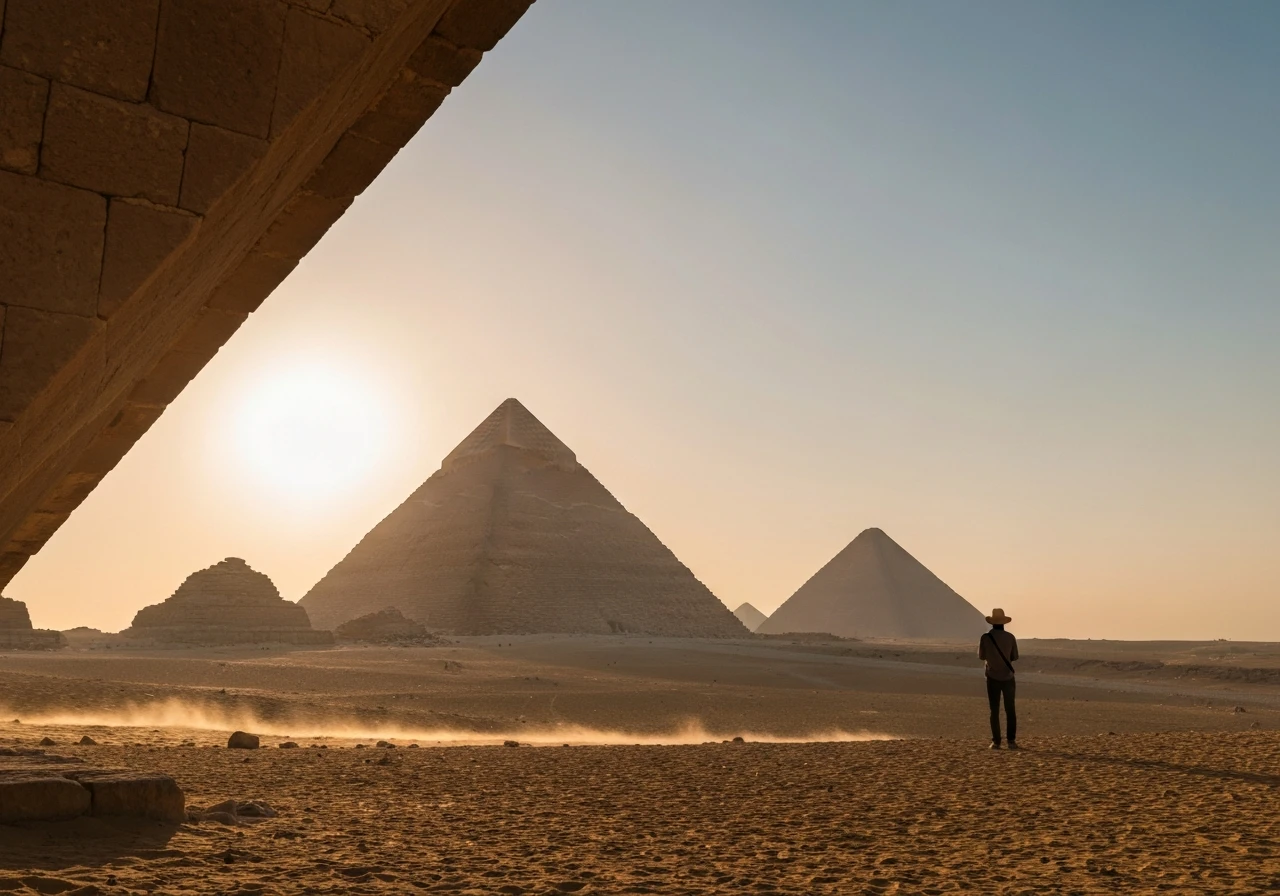
That growth lands almost entirely on the winter calendar. The Pyramids of Giza draw well over 15,000 visitors a day during the October and November peak, with long queues at the popular tomb interiors and a constant scrum for the clean photograph. In July and August those same plateaus thin out dramatically.
The pricing follows the people. With demand soft, operators discount hard, and the savings show up across the whole trip.
- 30 to 40 percent lower hotel and Nile cruise rates compared with the winter high season
- 19 million visitors in 2025, the great majority arriving outside the summer months
- 15,000-plus daily visitors at Giza in peak season, far fewer in deep summer
For the calculation that matters to most travelers, fewer crowds and lower bills, summer is the strongest hand Egypt deals all year. You can read the official breakdown in Egypt’s record 19 million arrivals in 2025.
Cairo’s Cool-Hours Playbook
Cairo in summer rewards travelers who treat the clock as part of the itinerary. Reach the Giza plateau at opening, and you can stand in front of the Great Pyramid in long golden light with the temperature still in the 20s, hours before the worst of the heat and most of the tour buses arrive.
The afternoon belongs indoors, and Cairo now has a spectacular reason to retreat from the sun. The Grand Egyptian Museum visitor information page covers the giant complex that opened in late 2025 beside the pyramids; the GEM (Grand Egyptian Museum, the world’s largest archaeological museum devoted to a single civilisation) holds more than 100,000 artifacts and the complete Tutankhamun collection under full climate control. Spending the hottest stretch of the day among those galleries is no compromise. It is one of the trip’s highlights.
Evenings open the city back up. The illuminated mosques of Islamic Cairo, the riverside corniche, and the old streets of the medieval core are all far more comfortable after dark, which is exactly when locals come out to enjoy them too.
Why the Red Sea Ignores the Thermometer
While the desert south sets temperature records, the coast plays by its own rules. Resorts like Hurghada and Sharm El Sheikh sit on the water, and a near-constant sea breeze keeps the real-feel well below what the forecast suggests. This is the part of an Egyptian summer that most travelers underestimate.
The water itself is the headline. Sea temperatures along the Egyptian Red Sea climb to roughly 28 to 29°C (82 to 84°F) by August, warm enough for hours in the water with a thin shorty wetsuit or none at all. Counterintuitively, the season many tour planners dismiss is one of the best for diving, with long, comfortable dives and good chances of larger marine life.
Practically, that makes a split itinerary the smart summer structure. Front-load the culture in Cairo and the Nile valley during the cooler hours, then decompress on the coast, where the heat stops being a problem and becomes the point. Pair that with a quick read of whether it is safe to travel to Egypt this year before you lock in dates.
Sailing Luxor to Aswan in the Off-Season
A Nile cruise is the classic way to see Upper Egypt, and summer changes the experience more than it changes the route. The ships run fully air-conditioned, so the floating part of the journey stays comfortable regardless of what the desert is doing outside.
Good operators rebuild the daily schedule around the heat, pushing temple visits to early morning and late afternoon and reserving the scorching midday hours for sailing, meals, and the sun deck. With fewer passengers competing for the same guides and gangways, the off-season cruise often feels more personal than the winter version, and the fares reflect the quieter calendar.
The reward is a slower, golden Egypt: villages drifting past the rail, fishermen working the banks, and the kind of long, saturated sunsets that the dry summer air produces almost every evening between Luxor and Aswan.
Packing and Pacing for Desert Heat
None of these advantages matter if you fight the climate instead of working with it. Summer travel in Egypt is comfortable when the plan respects the heat, and miserable when it ignores it. A handful of habits make the difference.
- Schedule outdoor sightseeing for early morning and the hours after 4pm, and keep the midday block for museums, pools, or rest.
- Wear light, loose, breathable clothing in pale colours, plus a hat and sunglasses.
- Drink water constantly, well before you feel thirsty, and carry a refillable bottle everywhere.
- Reapply sunscreen through the day, even on short walks between sites.
- Book excursions with local guides who can adjust start times and routes to the coolest part of the day.
Get those basics right and the season stops being an obstacle. Book the months everyone else skips, set the alarm for sunrise, and Egypt hands back its greatest monuments almost to yourself.
Frequently Asked Questions
Is It Too Hot to Visit Egypt in Summer?
No, not if you plan around the clock. Daytime highs reach 42 to 45°C in Luxor and Aswan and the high 30s in Cairo, but the heat is dry and far easier to handle than humid climates. Sightseeing in the early morning and evening, with the midday hours spent indoors or on the coast, keeps a summer trip comfortable.
How Much Cheaper Is Egypt in Summer?
Hotel rooms and Nile cruise cabins typically run 30 to 40 percent below winter high-season rates between June and August. Demand drops sharply once the cooler peak months end, so operators discount accommodation, tours, and liveaboard dive packages to fill space.
Can You Do a Nile Cruise in Summer?
Yes. Cruise ships between Luxor and Aswan are fully air-conditioned, and reputable operators reschedule temple visits to early morning and late afternoon to avoid the midday heat. Cruises also run quieter and cheaper in summer than during the November-to-February peak.
Is the Red Sea Good for Diving in Summer?
Summer is one of the best diving windows on the Egyptian Red Sea. Sea temperatures reach roughly 28 to 29°C by August, warm enough for long dives with minimal or no wetsuit, and the warmer water improves the chances of encountering larger marine life.
What Should You Pack for Egypt in Summer?
Pack light, loose, breathable clothing in pale colours, a wide-brimmed hat, sunglasses, high-factor sunscreen, and a refillable water bottle. Add modest layers for visiting mosques and a light cover for strong air-conditioning on cruise ships and in museums.
Is Summer a Good Time to See the Grand Egyptian Museum?
It is an ideal time. The Grand Egyptian Museum, which opened in late 2025 beside the Giza pyramids, is fully climate-controlled and houses more than 100,000 artifacts, including the complete Tutankhamun collection. Touring it during the hottest part of the day turns the heat into an advantage.
