The war between Israel and Iran has entered a dangerous new phase with Israel openly stating it has operational plans for at least three more weeks of war. As airstrikes continue to pound Iranian targets, the conflict has expanded beyond the borders of both countries and is reshaping Middle East security, global energy markets and regional alliances.
The announcement has set off fresh debates among diplomats, analysts and ordinary people worldwide over how long this conflict might last, what the human cost will be, and whether a wider regional war is now unavoidable.
Israeli Forces Gear Up for Weeks of Airstrikes on Iran
Israeli military officials on Monday said their forces have detailed plans to continue operations for at least three more weeks against Iranian targets. The announcement follows renewed strikes on key military sites inside Iran overnight, with air force jets and other military assets striking across the country.
According to Israeli sources, thousands of potential objectives remain on their lists, ranging from missile launchers to radar installations, command centers and depots. A senior Israeli military spokesperson told international media that they are prepared to sustain operations in coordination with their U.S. allies through major dates over the coming weeks.
This mark’s the third week of large‑scale engagements between Israel, backed by United States forces, and Iran’s military. There has been no clear sign of diplomatic progress or plans for ceasefire negotiations, even as international calls for de‑escalation grow louder.
Ground and Airfronts Expand as Regional Actors Get Involved
As Israel continues its aerial campaign, the conflict has spread to neighboring areas, complicating an already volatile situation.
On the northern front, Israeli ground forces have stepped up operations in southern Lebanon targeting Hezbollah, the Iran‑aligned militant group. Israeli officials have stated they will not allow displaced Lebanese civilians to return home until security can be assured along the border.
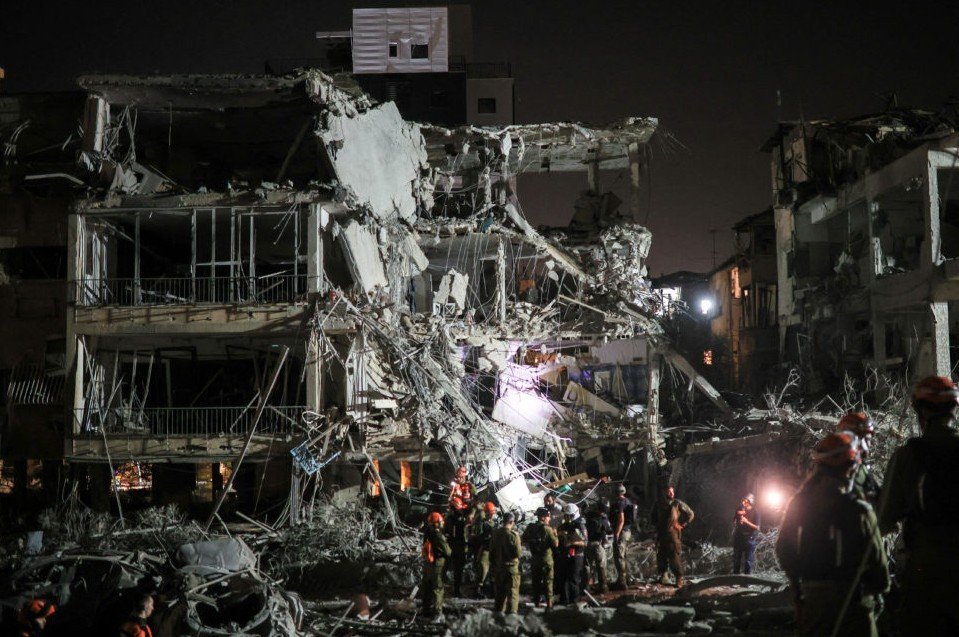
Meanwhile, Iran has not remained silent. Iranian‑backed militias in Iraq and Yemen have launched attacks on U.S. and allied positions, while Iran has directed missile and drone fire toward Israeli territories and Gulf partners. Some Gulf states, including the United Arab Emirates and Saudi Arabia, have intercepted drones and missiles crossing into their airspace.
This multipronged tension has raised fears of a broader Middle Eastern conflagration, pulling in actors from across the region into a conflict initially centered between just Israel and Iran.
Global Impact on Energy and Market Stability
One of the most immediate global consequences of the conflict has been its impact on oil prices and shipping routes. The Strait of Hormuz, through which about 20 percent of the world’s oil supply transits, has seen increased instability. Fights in the Gulf have caused jitters in energy markets, sending Brent crude prices above $100 per barrel at times.
Shipping companies have rerouted vessels, while insurers have raised premiums for tankers operating in the area. The escalation has prompted warnings from traders and economists about potential long‑term disruptions to energy security if hostilities continue. Much of the West and Asia depend on oil and gas that flows through the strait, meaning continued conflict could slow economic growth globally.
Human Toll Mounts on Civilians and Military Forces
While reports vary due to the fog of war, thousands of lives have been lost or disrupted.
In Iran, air raids have struck urban centers and military installations, resulting in significant casualties and displacement. Iran has reported hundreds of civilian and military casualties in cities targeted by Israeli strikes.
In Lebanon, the conflict with Hezbollah has triggered a humanitarian crisis with over a million people displaced after intense fighting near border towns. Hospitals and shelters are overwhelmed, and aid groups are calling for urgent international support.
In Israel, frequent missile and drone alerts have subjected cities to regular air raid sirens, leading to civilian stress and interruptions to daily life. While defensive systems like Iron Dome have intercepted many projectiles, the psychological toll remains high among residents.
What Comes Next in the Conflict?
Analysts say the conflict remains highly unpredictable. Israel’s declaration of a multi‑week operational plan suggests it does not believe a quick end to hostilities is likely. The United States, which has supported Israel’s actions, has called for sustained pressure on Iran while urging countries not to expand the war further.
However, Iran’s government remains intact despite heavy bombardment and has shown no signs of capitulating or moderating its stance. Some intelligence reports suggest Iran’s leadership and the Islamic Revolutionary Guard Corps have consolidated power internally, despite battlefield setbacks.
Diplomatically, global powers are urging restraint, but few clear avenues for negotiation are emerging. While back‑channel talks continue in some capitals, the public rhetoric on both sides still emphasizes military goals rather than compromise.
As the world watches, experts warn that even if a formal ceasefire were reached after the planned three weeks, the regional impact of this conflict would be felt for years in terms of security, economy and geopolitical alignments.
The war has already reshaped alliances, elevated Iran’s proxies to frontline actors, strained U.S. relations with some partners, and highlighted the fragility of global energy supply chains.
In the days ahead, the question looms: will this conflict remain limited to military engagement between two states, or will it mushroom into a more dangerous regional war involving multiple actors with unpredictable consequences?
We want to hear your thoughts. Comment below on how you think this conflict will unfold. Do you think the world can avoid a broader war? Share your opinions and, if discussing on social media, consider using the hashtag #MiddleEastCrisis.