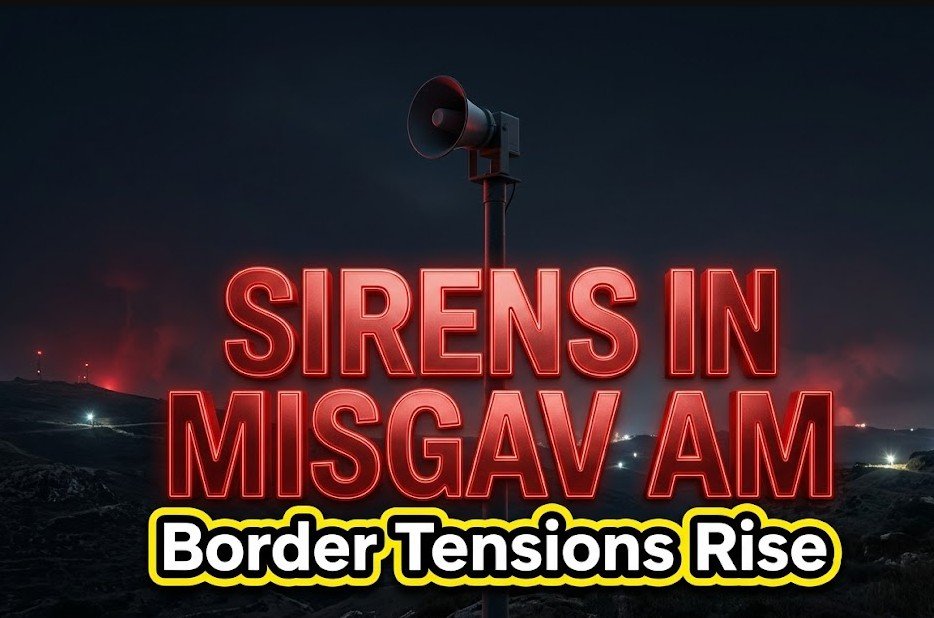
Air raid sirens broke the silence in Misgav Am early Monday. Israeli media reports confirmed the alarms in this northern kibbutz near the Lebanon border. Security teams rushed to investigate possible rocket threats as residents followed protocols and headed to shelters.
This latest alert highlights the constant pressure along Israel’s northern frontier. No immediate reports of impacts or injuries surfaced. Yet the incident adds to weeks of heightened activity in the region.
Details Emerge on the Siren Activation
Israeli media outlets shared news of the sirens in Misgav Am within minutes. The Home Front Command activated the system to warn of potential incoming fire. Forces began monitoring the area right away.
Security officials checked if rockets or drones triggered the alert. No official confirmation came out immediately about the exact cause. Teams stayed on high alert while gathering more information from the ground.
Residents had little time to react once the sirens started. They moved quickly to protected spaces as trained. This response follows standard procedures used many times in recent months.
Similar alerts hit nearby spots like Kiryat Shmona and Metulla around the same period. The pattern shows ongoing risks across the Upper Galilee. Officials continue to assess every incident carefully.
Life on the Edge in Misgav Am
Misgav Am sits right on the border in the Upper Galilee. This small kibbutz has just over 400 residents. It overlooks the Hula Valley on one side and faces Lebanese villages on the other.
Daily life here mixes normal routines with sudden disruptions. Families farm the land and raise children while staying ready for alerts. Many describe a deep connection to the place despite the challenges.
The community has faced repeated threats over the years. People often spend hours in shelters when warnings sound. Kids learn early how to respond fast to the familiar wail.
Yet resilience shines through. Neighbors support each other during tense times. The kibbutz spirit of togetherness helps them cope with the uncertainty that comes with living so close to the frontier.
Recent days brought more than 50 alerts across northern areas. Misgav Am appeared on several lists of affected places. This frequency wears on everyone from farmers to families.
The Persistent Tensions Along the Israel Lebanon Border
Exchanges between Israel and Hezbollah have continued for years. The group in Lebanon launches rockets and drones toward Israeli communities. Israel responds with strikes on militant positions in southern Lebanon.
This cycle keeps the border region tense. April 2026 saw multiple days with clusters of alerts. Areas from the Galilee Panhandle to parts of the Golan experienced warnings.
Israeli forces report intensified operations to counter threats. Hezbollah claims its actions defend against Israeli moves. Both sides report damage and occasional casualties from these clashes.
Civilians bear the real burden. Thousands in northern Israel have dealt with displacement or daily fear. Similar pressures affect communities on the Lebanese side of the border.
The latest siren in Misgav Am fits this larger picture. It comes as security officials watch for any sign of wider escalation. International efforts to calm the situation have not fully stopped the exchanges.
How Residents and Forces Handle the Threats
Israeli authorities stress quick action when sirens sound. People should move to the nearest shelter or protected room. Staying away from windows and outer walls increases safety.
- Go to the shelter immediately upon hearing the alert.
- Stay inside until the all clear sounds.
- Follow updates from the Home Front Command app or local officials.
- Keep emergency supplies like water and first aid ready at all times.
These steps save lives during real attacks. Drills help communities respond without panic even after many false or minor alerts.
Security forces play a key role too. They track launches and attempt interceptions when possible. Ground teams investigate every incident to prevent future risks.
The goal remains protecting civilians while avoiding broader conflict. Officials balance defense needs with efforts to keep daily life as normal as possible.
Many residents express hope for quieter days ahead. They want to focus on family and work without the shadow of sirens. Community leaders often call for diplomatic solutions alongside strong security.
The Human Cost of Living With Constant Alerts
Each siren reminds people how fragile peace feels here. Parents comfort scared children in dark shelters. Farmers worry about crops and livestock during long interruptions.
Mental health experts note the toll of prolonged stress. Sleep issues and anxiety rise in areas with frequent alerts. Support programs help some families cope with the pressure.
Yet many stay because this is home. They value the beautiful landscape and tight knit community. Stories of everyday courage emerge from these tough times.
The situation also draws attention from outside. Visitors to the kibbutz learn about life on the border. These exchanges build understanding of the complex challenges involved.
As investigations into this latest alert continue, the focus stays on facts. Officials avoid speculation while keeping the public informed. This approach builds trust during uncertain moments.
The sirens in Misgav Am serve as another signal of unfinished business along the northern border. They affect real people trying to build lives in a difficult spot. Finding lasting calm remains a shared hope for everyone touched by these tensions.
As the situation develops, northern Israel stays watchful. Communities like Misgav Am show strength in the face of ongoing risks. Their story reflects the broader search for security and normalcy in a region that has known too much disruption.
What do you think about the repeated alerts in northern Israel? Share your thoughts in the comments below. Your perspective helps us understand how these events touch people around the world.