
In a war meant to shatter Iran, the Islamic Republic has stood firm and revealed the boundaries of American and Israeli might. President Donald Trump signals a US withdrawal within weeks while claiming major objectives are met. Yet Iranian forces keep launching strikes and tightening their grip on the critical Strait of Hormuz. This conflict has not delivered the decisive blow many expected.
War Launched to Break Iran Meets Tough Resistance
The fighting escalated sharply on February 28, 2026. US and Israeli strikes targeted Iranian nuclear sites, military bases, and top leaders. Reports confirm the death of Supreme Leader Ayatollah Ali Khamenei and several senior commanders in those initial attacks. Israel called it Operation Roaring Lion while the US supported with powerful bunker buster bombs on hardened facilities like Fordow.
Iran responded quickly. It fired waves of missiles and drones at Israel and US bases in the region. Some strikes hit targets in Tel Aviv and Gulf areas. Despite heavy losses, Iranian command stayed intact enough to keep fighting. New leadership under figures like Mojtaba Khamenei stepped up with pledges of continued resistance from the Revolutionary Guard.
The campaign aimed to neutralize Iran’s nuclear program and weaken its military. Early assessments showed damage to enrichment sites at Natanz and Isfahan. Yet experts noted the setback might only last months, not years. Iran had moved much of its enriched uranium stockpile beforehand. Missile production and proxy networks also proved harder to destroy than planned.
Trump and Netanyahu Claim Victory as Strikes Continue
President Trump addressed the nation recently. He said core goals are nearing completion and US forces could leave in two to three weeks. Netanyahu echoed that the Iranian threat has been largely neutralized. Both leaders project the operation as a success that has made the region safer.
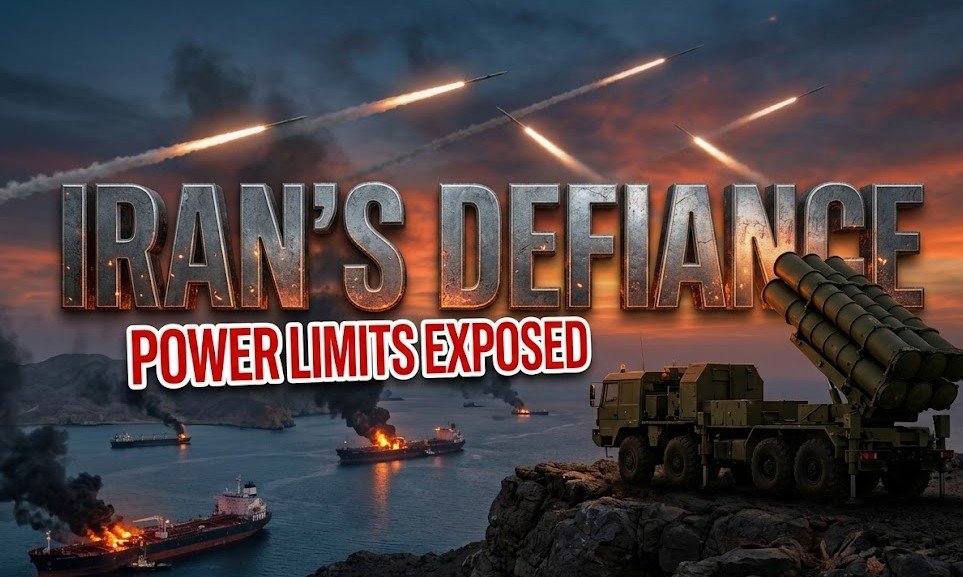
Reality on the ground tells a more complex story. Iran keeps launching attacks even as declarations of victory ring out. Missile barrages have targeted Israeli cities and US assets into early April. The Islamic Revolutionary Guard Corps remains operationally active and coordinates responses with surprising speed.
This gap between official statements and battlefield actions raises questions. When one side keeps shaping events and holding economic leverage, claims of total success start to look like a managed exit strategy. US and Israeli deterrence, long seen as unmatched, now faces open challenges from a resilient adversary.
Iran Uses Strait of Hormuz as Powerful Leverage
Iran has turned the Strait of Hormuz into its strongest card. This narrow waterway carries about one fifth of global oil supply. Tehran has restricted passage, set up toll systems for safe transit, and threatened further closures. Shipping has dropped sharply. Only Iran-linked vessels move freely in many cases.
Oil prices surged more than 13 percent in recent days amid the uncertainty. Global markets feel the pressure. Energy-dependent nations watch nervously as supplies tighten. Iran has shown it can disrupt world energy flows without direct ground battles.
- Tankers face drone and missile risks in the strait
- Insurance costs for shipping have skyrocketed
- Several Gulf states report indirect economic hits
This economic weapon has forced world leaders to weigh their responses carefully. It proves Iran retains strategic depth even after weeks of intense strikes on its territory.
Global Impacts and Questions About Future Deterrence
The conflict has killed hundreds in Iran and dozens in Israel. Civilian areas suffered in the crossfire. Hospitals and residential zones took hits on both sides. The human toll adds weight to debates about the war’s true cost.
Allies and observers react differently. Some Gulf nations intercepted incoming missiles but stayed cautious about deeper involvement. European leaders call for de-escalation while watching energy prices climb. Markets show volatility with stocks dipping and gold fluctuating.
Iran has exposed key limits in modern warfare. Superior air power and precision strikes can damage facilities but struggle to eliminate determination or fully erase underground capabilities. Ballistic missile stocks, though reduced, still allow retaliation. Proxy networks across the region provide extra options.
This episode highlights how even the strongest militaries face challenges against asymmetric tactics and geographic advantages. It also raises fresh questions about long-term stability in the Middle East. Rebuilding trust and preventing future escalations will test diplomats for years ahead.
The war that began to break Iran has instead shown the endurance of its system and the boundaries of outside power. It leaves the region changed, with new realities for all players to navigate. Ordinary people on all sides bear the heaviest burdens while leaders search for endings that bring lasting calm.
