Jordanian troops briefly detained Israeli civilians who crossed the border illegally in the country’s south, before returning them to Israeli military custody. Both sides played down the incident, stressing it was accidental, yet the episode underlined how sensitive the frontier remains.
Detention in Jordan’s Southern Military Region
The Jordanian Armed Forces-Arab Army said its units apprehended three individuals attempting to infiltrate the border in the Southern Military Region on Saturday.
The language was firm. The statement described the move as an illegal crossing and confirmed that standard security procedures were followed.
Jordanian officials did not specify how long the individuals were held, but sources indicated the matter was resolved quickly through established military coordination channels.
Incidents like this are rare, but they are taken seriously on both sides.
IDF Says Civilians Crossed by Mistake
The Israel Defense Forces later clarified that two of the detainees were Israeli civilians who crossed into Jordanian territory accidentally.
According to the IDF, the civilians were returned to Israeli custody after coordination with Jordanian authorities.
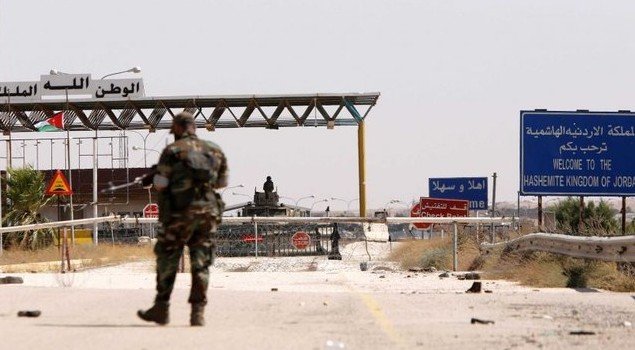
The military stressed that entering Jordan through unauthorized crossing points is prohibited and poses serious risks, even in areas that appear calm.
Officials did not elaborate on how the third individual mentioned by Jordanian forces fit into the incident.
Border Rules, Real Risks
The Jordan–Israel border is governed by strict protocols, despite the long-standing peace treaty between the two countries.
Military officials on both sides emphasize that even unintentional crossings can trigger security alerts, especially in remote southern areas where terrain is open and markings are not always obvious.
The IDF used the incident to restate a clear warning to Israeli civilians:
-
Unauthorized crossings are illegal
-
Border zones can shift quickly from quiet to dangerous
-
Civilians risk detention, injury, or worse
The message was blunt, and intentional.
A History of Quiet Coordination
Despite political tensions at times, military coordination between Amman and Tel Aviv remains functional, particularly on border security.
The handover of the civilians back to Israeli custody followed established procedures that have been used repeatedly over the years.
Such coordination has helped prevent minor incidents from escalating into diplomatic flashpoints.
Jordanian officials have consistently said they enforce border laws without exception, regardless of nationality.
A Mirror Incident on the Israeli Side
The IDF also pointed to a reverse case to underline the issue.
In September, Israeli forces arrested four foreign nationals who attempted to cross illegally into Israel from Jordan near the Yarmouk area.
That incident, like this one, ended without injuries but reinforced how closely monitored the border remains.
Both militaries say the pattern is the same. Illegal crossings, even accidental ones, are treated as security violations first, explanations second.
Geography That Leaves Little Room for Error
Large stretches of the Jordan–Israel border run through sparsely populated areas, deserts, and river valleys.
In some locations, civilians can stray off marked paths without immediately realizing they have crossed an international boundary.
That reality has prompted repeated public warnings from both governments, urging travelers and hikers to stay within authorized areas and avoid border zones altogether.
The incident this week ended quietly. But the response around it was anything but casual.