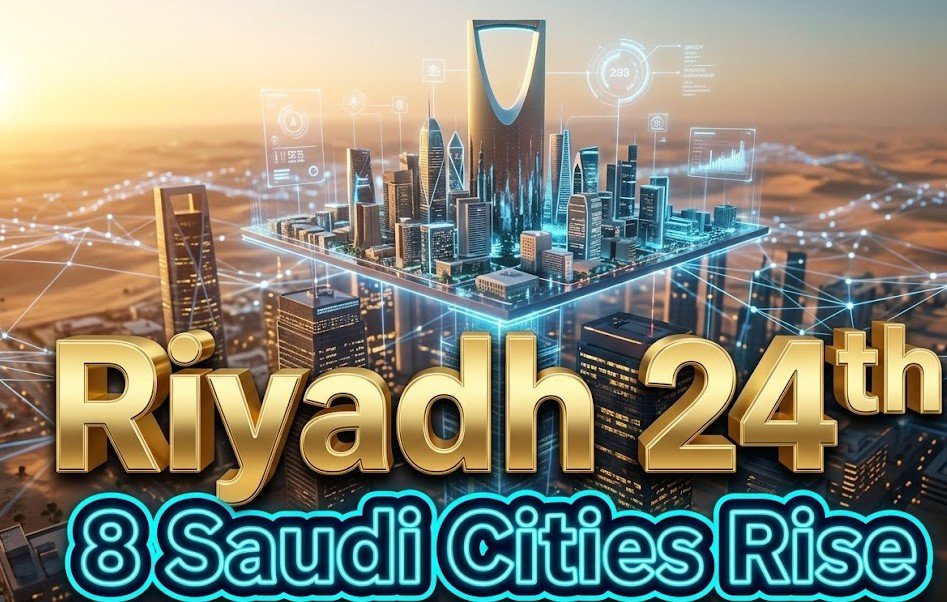
Eight Saudi cities have delivered strong results in the 2026 IMD Smart City Index. Riyadh moved up to 24th place globally. This rise highlights the Kingdom’s focused work to build cities that use technology to make daily life better for everyone.
The results show real progress across different parts of the country.
Riyadh Continues Its Upward Climb
Riyadh has advanced three places to reach 24th in the world ranking. The capital city now stands among the top 25 smart cities globally. Residents report strong performance in public safety and digital services that help with everyday needs.
City leaders have invested heavily in modern infrastructure. These efforts focus on health, mobility, and governance. People notice smoother access to services and better use of technology in their routines.
Riyadh’s steady gains reflect years of careful planning and execution.
The improvements align with national goals to create vibrant urban spaces. Better digital tools help manage traffic and deliver public services faster. Residents feel the positive impact in their daily lives.
Hail Makes Impressive Debut At 33rd
Hail entered the index for the first time and secured an outstanding 33rd position. This debut performance places it ahead of many established cities worldwide. The northern gateway city worked with experts to build a smart framework tailored to local needs.
Officials focused on key areas like health and safety plus better mobility options. They also improved opportunities for residents and strengthened governance. This targeted approach delivered quick results in resident perceptions.
Hail shows how even newer entries can compete at high levels when strategies match real community priorities.
AlUla Achieves Major Leap To 85th
AlUla jumped 27 places to reach 85th in the 2026 index. The city rose from 112th previously. This big gain comes from rapid development in tourism projects that blend heritage with smart technology.
Projects in AlUla emphasize sustainable growth. They use digital tools to protect historical sites while enhancing visitor experiences. Residents benefit from new opportunities in culture and eco-friendly development.
The progress demonstrates how focused investment in unique strengths can drive fast improvement in smart city metrics.
Other Saudi Cities Deliver Solid Results
Several other cities also performed well in the global list of 148. Here is how they ranked:
| City | Global Rank |
|---|---|
| Makkah | 50th |
| Jeddah | 55th |
| Al-Khobar | 64th |
| Madinah | 67th |
| AlUla | 85th |
| Hafr Al-Batin | 100th |
Makkah and Madinah maintain strong positions that support their special roles. Jeddah and Al-Khobar continue to show consistent performance in the eastern and western regions. Hafr Al-Batin joins Hail as a first-time entrant at 100th.
These results prove smart city efforts are spreading successfully across the Kingdom.
Each city brings different strengths. Some focus on mobility while others emphasize safety or economic opportunities. Together they create a broad picture of national advancement.
Vision 2030 Powers Saudi Smart City Growth
Saudi Vision 2030 drives these urban improvements. The plan aims to raise quality of life through better services and sustainable development. Technology plays a central role in achieving these targets.
This year marks the Kingdom’s Year of Artificial Intelligence. Cities are using AI to enhance everything from traffic management to public safety systems. Residents see practical benefits in faster services and more responsive governance.
The IMD index relies on resident surveys rather than just technical data. It measures how people actually experience technology in areas like health, activities, and opportunities. High rankings mean citizens feel real improvements in their lives.
Saudi cities stand out for balancing modern tech with local values. They create inclusive spaces that respect culture while embracing innovation. This approach helps attract global investment and talent.
Experts note that trust and transparency matter greatly in smart city success. Saudi efforts appear to build this foundation effectively. People report higher satisfaction with how decisions affect their daily routines.
The progress extends beyond rankings. Better urban services create more jobs and economic activity. Families enjoy safer streets and easier access to healthcare and education. Young people find more opportunities to build careers at home.
Challenges remain in areas like traffic and environmental quality. Cities continue to address these issues through ongoing projects. The overall direction points toward steady gains in liveability.
Saudi Arabia’s eight cities shining in the 2026 IMD Smart City Index mark an important moment in the Kingdom’s urban journey. From Riyadh’s rise to Hail’s strong debut and AlUla’s impressive jump, the results celebrate real steps toward smarter and more livable communities. As these efforts continue under Vision 2030, residents can look forward to cities that truly serve their needs and dreams. What are your thoughts on Saudi Arabia’s smart city progress? Share your opinion in the comments below and join the conversation using #SmartCities.