Egypt is sounding the alarm as the ongoing war involving the United States, Israel and Iran pushes the country’s economy into a state of near emergency, officials say. With the Egyptian pound weakening, trade disrupted and revenue streams drying up, millions of Egyptians are feeling the squeeze and leaders are scrambling to prevent deeper fallout. Inside this developing story, we break down what is happening, why it matters, and how ordinary Egyptians could be affected in the coming months.
Rising Fears After Regional War Hits Egypt’s Economy
President Abdel Fattah al‑Sisi warned Egyptians that the nation is in a “near‑emergency state” economically as regional conflict intensifies. Although Egypt is not a battlefield, the repercussions from escalating war in the Middle East have started to hit hard. Prices of essential goods are climbing and the exchange rate of the Egyptian pound plunged to its weakest in eight months against the US dollar, stirring concerns about inflation spiraling out of control.
The president emphasized that the government is monitoring price manipulation and punishing those who exploit the crisis, including potentially trying price gougers in military courts, underscoring the gravity of the situation. He also urged citizens to stay calm and responsible while the state works to safeguard supply chains and the economy.
Suez Canal Struggles Hit Foreign Income and Trade
One of the most serious economic impacts comes from disruptions to the Suez Canal, Egypt’s economic lifeline, which normally channels a large portion of global maritime trade and generates billions in foreign currency for Cairo. Recent conflict fears have led major shipping lines to reroute their vessels around Africa’s Cape of Good Hope instead of passing through the canal, dramatically reducing traffic and revenue.
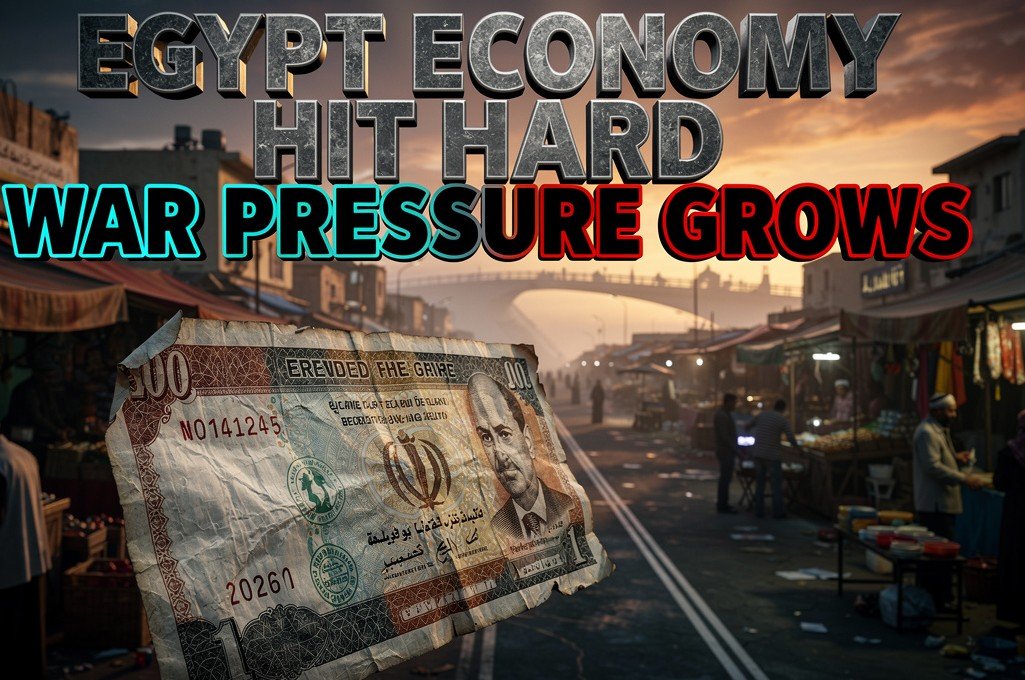
According to Egyptian officials, the country has already lost an estimated $10 billion in canal revenues due to ongoing regional tensions, as the waterway remains risky for international carriers. This loss hits hard at an economy already struggling to balance its foreign exchange needs and debt obligations.
The situation is compounded by broader disruptions to international commerce. Ships avoiding the Red Sea limit Egypt’s ability to generate income from transit fees and related services that support local jobs and logistics hubs along the canal corridor.
Currency Woes and Inflation Pressure Families
The Egyptian pound’s sharp decline against the US dollar has raised the cost of imports in this import‑dependent economy. This means everyday essentials like food, fuel and medicine are becoming more expensive for regular Egyptians, many of whom already allocate a large share of household income to basic goods.
Government officials argue there is no immediate currency crisis and that foreign currency reserves remain sufficient, but the weakening pound still affects confidence and purchasing power. Prime Minister Mostafa Madbouly highlighted ongoing government measures to secure strategic reserves of energy and food and ensure stable gas and electricity supplies for industries.
Economists warn that prolonged instability in global markets could fuel further inflation, especially if energy prices remain high and supply chains are strained, a dynamic pushing costs higher for households and businesses alike.
Broader Economic Vulnerabilities Exposed
Egypt’s economy faces multiple pressures that now intersect with the impacts of war. Before this latest crisis, revenue from key sectors such as tourism and remittances was already recovering but remains sensitive to global instability. Tourism, a major contributor to GDP, could suffer if visitors avoid the region. Remittances from millions of Egyptians working abroad, especially in Gulf countries, could slow if those economies are affected by the conflict.
Foreign debt obligations and structural economic challenges also loom large. With external debt at high levels and obligations to international lenders, Egypt must navigate a delicate balance between securing foreign finance and maintaining economic stability.
International support has been a stabilizing factor in recent years. The International Monetary Fund has responded to Cairo’s reform efforts with financial assistance aimed at strengthening macroeconomic stability and preserving key economic performance indicators.
What This Means for Daily Life in Egypt
For ordinary Egyptians, the economic scatter from regional war translates into higher prices at the grocery store, rising transportation costs, and uncertainty about job prospects, especially in sectors tied to global trade or tourism.
Many families are concerned about how far their savings will stretch. Markets feel the tension as importers and distributors adjust to currency shifts and logistics bottlenecks. And while government officials pledge stability, the sense of unease is growing among citizens who already face high living costs.
Economists caution that if the conflict continues and international shipping routes remain unsafe, the economic toll could deepen with long‑term impacts on investment, public spending and quality of life for millions.
Egypt’s story is interconnected with global peace prospects. The nation’s strategic position, economic vulnerabilities and reliance on international trade make it particularly sensitive to fluctuations beyond its borders.
In the midst of these challenges, many Egyptians are bracing for harder choices ahead while hoping for diplomatic solutions and stability to return to their region.
We want to hear from you: what do you think Egypt should do to protect its economy at this critical time? Comment your view below and share your thoughts with the hashtag if you are discussing this on social media.