
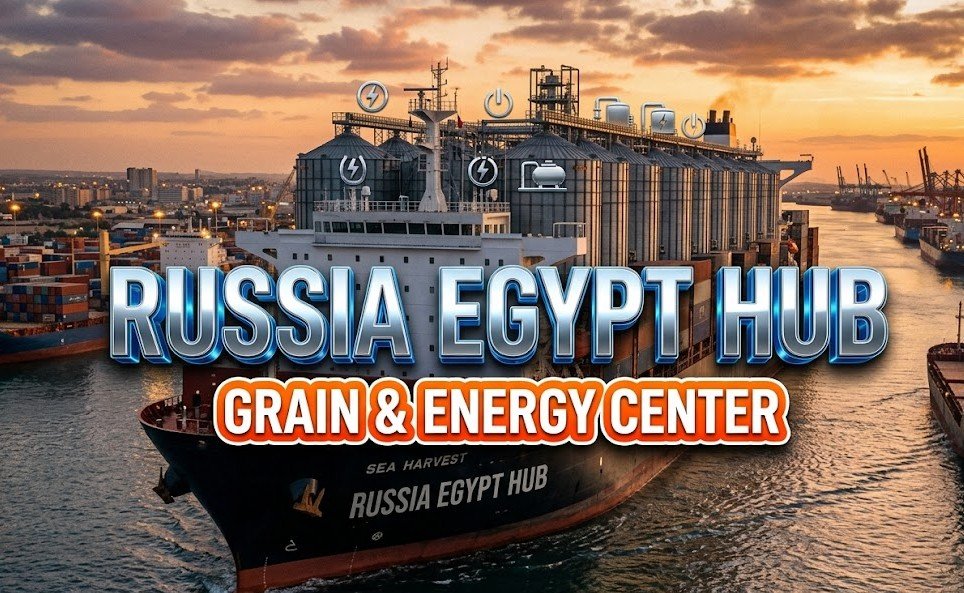
Russian President Vladimir Putin has floated a bold plan to build a large grain and energy logistics center in Egypt. He shared the idea during a Kremlin meeting with Egyptian Foreign Minister Badr Abdelatty on April 2. This proposal highlights growing cooperation between Moscow and Cairo at a time when stable food and energy supplies matter more than ever.
Putin Outlines Vision During Kremlin Talks
Putin told the Egyptian minister that Russia and Egypt could discuss creating the hub. He pointed to many promising ideas already under review for deeper partnership. The Russian leader said he had instructed his government to prepare more food shipments to Egypt, with a strong focus on wheat.
The meeting came after Putin spoke by phone with Egyptian President Abdel Fattah El-Sisi. Abdelatty delivered a personal message from El-Sisi during the talks. Both sides expressed interest in turning the idea into real action through serious technical and economic studies.
Egypt stands out as a natural choice for such a center. Its location makes it a perfect gateway for Russian goods heading into Africa and the Middle East. The hub would likely include storage, processing, and distribution facilities to keep supplies flowing smoothly.
Energy Partnership Already Running Deep
The two countries already work closely on major energy projects. Russia’s Rosatom is building Egypt’s first nuclear power plant at El Dabaa. This four-unit facility will generate 4800 megawatts once complete. Construction continues on schedule with major milestones reached in recent months.
Workers installed the reactor pressure vessel for the first unit in late 2025. Concrete pouring and other key steps are moving forward across all four units. The plant represents a huge step for Egypt’s energy future and creates thousands of jobs during construction.
This nuclear project forms a strong foundation for the proposed logistics hub. It shows the level of trust and technical cooperation between the nations. Russia provides both financing and expertise for the plant, which is expected to start operations around 2028.
Beyond nuclear power, the energy hub could handle other products. Egypt already imports Russian gasoline and other fuels. A dedicated center would make these flows more reliable and open new opportunities for both sides.
Grain Trade Critical for Egypt’s Food Security
Egypt ranks as the world’s largest wheat importer. Its people depend heavily on bread as a daily staple. With a population exceeding 110 million, steady grain supplies remain vital for social stability.
Russia has become Egypt’s top wheat supplier. Estimates show Egypt purchased about 7.6 million tons of Russian grain this season. That volume matches recent years and helps fill the gap left by other suppliers.
Global events have made food prices swing wildly in recent years. A logistics hub in Egypt could reduce those risks by creating buffer stocks and faster distribution routes. It would help Egypt manage imports better and possibly re-export to neighboring countries.
The hub would give Egypt greater control over its food supplies while opening new markets for Russia. Putin noted that Russia enjoyed a strong harvest last year and stands ready to deliver without problems. This assurance matters greatly for Egyptian officials planning ahead.
Local Egyptian wheat production has grown but still covers only part of national needs. Imports will remain essential for years to come. A joint hub could include modern storage and processing technology to minimize waste and improve quality.
Russian Industrial Zone Adds Another Layer
Talks about the grain and energy hub fit alongside another big project. The Russian Industrial Zone is taking shape inside Egypt’s Suez Canal Economic Zone. This development covers hundreds of hectares and aims to attract Russian companies.
The zone offers tax breaks and easy access to shipping routes. Officials target full operations around 2030. It will focus on manufacturing, logistics, and industries that serve African and Middle Eastern customers.
Egyptian officials have welcomed this initiative warmly. It creates jobs and brings investment while strengthening overall economic links. The new hub proposal builds naturally on this foundation by adding agriculture and energy dimensions.
Benefits for Both Nations
Experts see several clear advantages from the proposed center.
- Faster and cheaper distribution of Russian grain to Egypt and beyond
- Better protection against global price shocks for Egyptian consumers
- New business opportunities for Russian companies in logistics and processing
- Stronger political and economic ties between Moscow and Cairo
The hub could also serve as a model for similar projects elsewhere. Russia has explored other logistics ideas in different regions, but Egypt’s strategic position gives it special potential.
Regional Impact Could Be Significant
Africa and the Middle East face growing demand for both food and energy. A successful hub in Egypt would help meet that demand more efficiently. It positions Egypt as an important regional player in global trade networks.
For Russia, the project offers a way to maintain export volumes despite international challenges. Using established partners like Egypt helps ensure steady income from key commodities.
Egypt gains reliable supplies and new infrastructure. This matters especially as the country works to support its young and growing population. Stable bread prices have long been central to Egyptian domestic peace.
Challenges and Next Steps
Turning the idea into reality will require detailed planning. Both governments must study costs, locations, and technical requirements. Possible sites include ports like Port Said or areas near the Suez Canal with strong existing infrastructure.
Environmental considerations and local community impacts will need attention. Success will depend on clear agreements that benefit both sides over the long term.
Technical experts from both countries will likely begin working groups soon. The positive tone from the Kremlin meeting suggests momentum is building.
This proposal reflects the steady growth in Russia-Egypt relations over recent years. From tourism to defense and now deeper economic integration, the partnership continues to expand.
The world watches closely as these two important nations move forward together. Their cooperation on food and energy could bring stability to a region that needs it badly.
