At the heart of President Abdel Fattah el-Sisi’s plea is a clear message: only Trump’s influence can temper the crisis and prevent a deeper, long-lasting shock to global markets and regional stability.
Sisi’s Urgent Appeal to Trump on Iran War
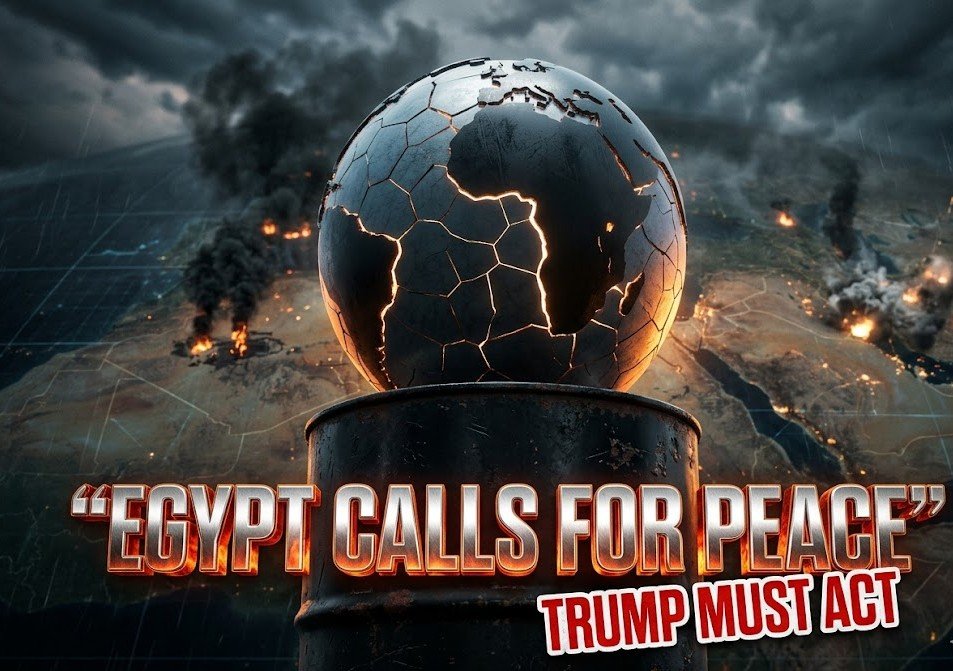
At a major energy conference in Cairo last week, President Sisi issued a rare and forceful call directly to US President Trump to help halt the conflict involving Iran, the United States and Israel. He warned that the war, now entering its sixth week, was not just a distant geopolitical struggle but one with real and immediate impacts on everyday people across the Middle East and beyond.
Speaking at the Egypt Energy Show in Cairo, Sisi said that “no one can stop the war in our region and in the Gulf except you”, underscoring his belief that limited diplomatic and regional efforts had so far failed to produce a meaningful de-escalation. He framed his appeal as a humanitarian and stability imperative, urging Trump to act to prevent an even greater downturn in global energy stability and price hikes.
Sisi’s remarks were significant in tone and substance, reflecting the severity of the situation and how deeply it has affected Egypt’s domestic priorities. Cairo has previously played a quiet role in regional diplomacy, but this direct appeal illustrates rising anxieties in Egypt’s leadership about the war’s broader repercussions.
How the War Is Impacting Egypt
The war’s economic impact on Egypt has been swift and severe, particularly through rising energy costs and inflationary pressures. Egypt heavily depends on energy imports, and disruptions in the global oil market have forced the government to take tough measures.
Key effects include:
- Fuel price hikes and cuts to government fuel allocations to conserve resources.
- Slowdown of major state projects for at least two months to reduce energy consumption.
- Remote work mandates for Sundays in April to save fuel, reflecting public sector adjustments.
- Projected increases in debt servicing costs that could strain public finances.
These economic pressures are not isolated to Cairo. Analysts say the closure of vital shipping lanes such as the Strait of Hormuz, where a fifth of global oil normally flows, has driven global price spikes and supply bottlenecks.
Egypt’s fear is not just about short-term pain. There are worries that prolonged instability could undermine fragile economies, trigger social unrest and weaken political institutions already under strain.
World Leaders Struggle to Find a Path to Peace
Sisi’s appeal to Trump highlights a broader challenge faced by world leaders: how to navigate a conflict that has drawn in the United States and Israel against Iran, with no clear end in sight. Diplomatic efforts to reach a ceasefire have seen mixed results.
While some talks and mediation attempts involve regional powers such as Pakistan, Turkey, Saudi Arabia and Egypt itself, progress remains slow and fragile. At times negotiations have stalled over conflicting demands, including Iran’s insistence on conditions like reparations and withdrawal of foreign troops.
President Trump, meanwhile, has faced rising criticism at home and abroad. A recent address that aimed to reassure the American public about the war’s trajectory failed to calm financial markets and, in some cases, raised fears of deeper escalation. Oil benchmarks have surged and stocks have slid in response to his comments.
Amid this environment, international voices including those from Europe and the United Nations have urged restraint and called for stronger diplomatic engagement to avert widespread economic disruption and humanitarian suffering.
Egypt’s Push for Multilateral De-Escalation
Beyond the call to Trump, Egypt has intensified its efforts with regional partners to push for de-escalation. President Sisi recently spoke with both Iraqi Prime Minister Mohammed Shia Al-Sudani and Ukrainian President Volodymyr Zelenskyy, stressing the need for coordinated regional and global efforts to end wars that threaten stability.
Egypt has also condemned attacks that violate the sovereignty of Arab states and reaffirmed its support for diplomatic solutions. Cairo’s foreign ministry spokesperson described Egypt’s strategy as rooted in both reducing immediate harm and preparing for long-term aftermath once hostilities halt.
However, some analysts argue that Cairo’s plea reveals deeper structural vulnerabilities in Egypt’s own economy and foreign policy. They suggest that the government’s heavy reliance on external actors like the United States to rescue economic stability may reflect broader domestic challenges that extend beyond the current crisis.
The Human and Global Toll
While political leaders debate strategy, millions of everyday people are feeling the fallout. In addition to rising fuel and food prices worldwide, disruptions in fertilizer exports and agricultural supply chains threaten food security in many developing countries.
Citizens in Egypt and other Middle Eastern countries are also increasingly anxious about the possibility of wider conflict spreading beyond current borders. With each escalation of missile strikes and military exchanges, the fear of a larger regional war grows louder, and local communities brace for the unknown.
What Comes Next?
As it stands, the war shows no clear signs of winding down. Tehran has signalled it may be prepared for a protracted conflict, even as Trump speaks hopeful words of a possible end in weeks.
In this tense and uncertain moment, President Sisi’s appeal to Trump is not just a call for action. It reflects the deep concern of a nation watching its economy strain, its people struggle and its future hang in the balance.
The coming days and weeks will be critical for diplomatic initiatives and how global leaders choose to respond.
In the meantime we invite readers to share their views on this developing crisis and how they think world powers should act to prevent further suffering.