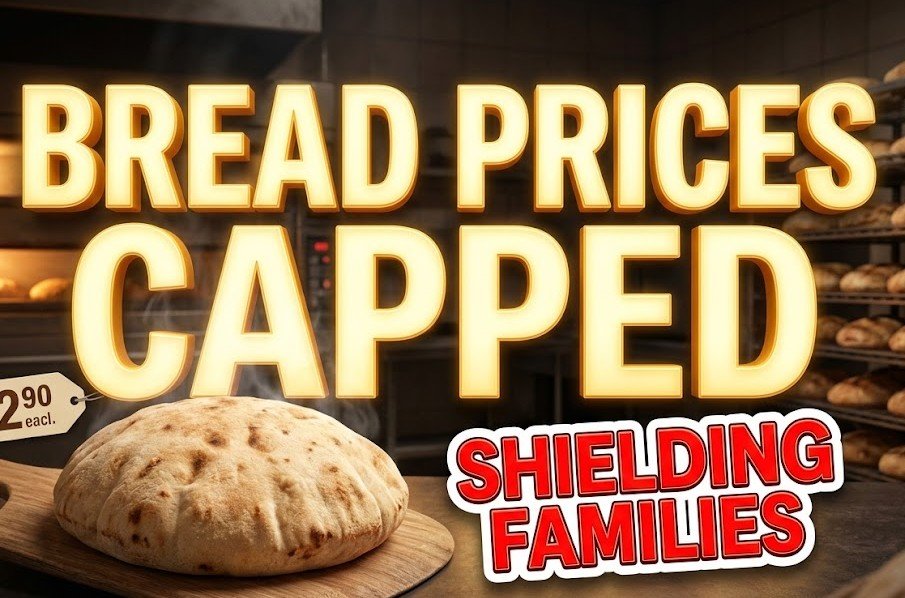
Egypt has set firm limits on unsubsidized bread sold in private bakeries. The move aims to protect families from rising costs linked to fuel hikes and global tensions from the Middle East conflict. Officials acted quickly to prevent price gouging that could hit households hard in a nation where bread sits on nearly every table.
This decision highlights the government’s focus on keeping food affordable during uncertain times.
Why Egypt Moved to Cap Bread Prices Now
The price caps arrived in mid-March 2026 after fuel prices jumped by up to 17 percent earlier that month. Supply Minister Sherif Farouk issued the directive on March 12 or 13 as global oil costs spiked due to disruptions from the US-Israel conflict with Iran.
The government wants to stop anyone from exploiting the situation. President Abdel Fattah al-Sisi described the economy as in a “state of near-emergency.” He warned that those manipulating commodity prices, especially bread, could face military courts.
Fuel increases raised transport and production expenses for bakeries. Egypt imports more than half its wheat needs, making it sensitive to world market swings and shipping issues tied to regional instability. The caps target the unsubsidized market where private bakeries operate freely but now face maximum selling prices.
This step follows a pattern. Similar temporary controls appeared in recent years during economic pressures. Yet the timing ties directly to current global events that pushed energy costs higher and strained household budgets across Egypt.
Bread Holds Deep Importance for Egyptian Families
Bread serves as a daily staple for over 100 million people in Egypt. Families eat it at almost every meal, from breakfast to dinner. Small price changes can quickly affect budgets, especially for lower-income households.
History shows how vital affordable bread remains. In 1977, proposed price increases sparked widespread riots. Wheat shortages in 2008 fueled public frustration that contributed to the 2011 uprising. Governments since then treat bread pricing as a core issue for social stability.
The subsidized baladi bread program continues unchanged. Eligible families still get loaves at 20 piasters each, with the state covering extra diesel costs for producing them. This program supports around 70 million citizens and forms a major part of the national budget, running into tens of billions of Egyptian pounds yearly.
Unsubsidized bread in private bakeries serves others who buy freely or need extra quantities. Keeping its price in check prevents spillover effects that could raise overall food costs and spark complaints.
Many residents in Cairo welcomed the news. They see it as a necessary shield while global uncertainty lingers. One common view on the streets stresses the need for strong oversight so the caps actually work.
New Price Limits and How Enforcement Will Work
The ministerial decree sets clear maximum prices for different loaf sizes. Bakeries must display both the price and weight visibly on storefronts. They also need to use their own 72 percent extraction flour to avoid touching supplies meant for the subsidized system.
Here is what the caps look like:
- 80-gram baladi loaf: maximum 2 Egyptian pounds
- 60-gram baladi loaf: maximum 1.5 Egyptian pounds
- 40-gram baladi loaf: maximum 1 Egyptian pound
For fino bread rolls:
- 50-gram fino: maximum 2 Egyptian pounds
- 40-gram fino: maximum 1.5 Egyptian pounds
- 30-gram fino: maximum 1 Egyptian pound
Supply inspectors have launched monitoring campaigns across provinces. Violations bring penalties. The government pledged to ensure bakeries do not lose out unfairly while holding the line on consumer prices.
Industry voices express some doubt. A grain source noted that wheat prices rose sharply after fuel costs increased, adding about 2,000 Egyptian pounds per tonne. Bakeries might absorb small extra costs per loaf or adjust in other ways, but officials insist supply and demand will help maintain quality.
The measure separates the two bread markets clearly. Subsidized loaves stay protected. Private sales now operate under these new rules to avoid sudden jumps that could burden families.
Reactions and Challenges for Bakeries and Citizens
Public response leans positive so far. People appreciate steps that keep daily essentials within reach when other costs climb. Many call for continued vigilance to make sure bakeries follow the rules everywhere.
Bakeries face tighter margins. Higher fuel and wheat expenses squeeze profits, yet the caps limit how much they can pass on. Some worry about potential quality drops if costs stay high, though others say the per-loaf impact remains small enough to manage for now.
This situation tests the balance between supporting producers and protecting consumers. Egypt’s economy already deals with currency pressures and the need for foreign reserves to pay for imports. The pound has faced downward moves amid broader regional effects, including impacts on remittances and Suez Canal activity.
Experts point out that bread policy sits at the center of social safety efforts. With food inflation a top concern, these caps offer short-term relief while longer-term solutions like boosting local agriculture or securing diverse import sources get attention.
Wider Economic Pressures from Regional Conflict
The Iran-related conflict has rippled far beyond the immediate area. Oil prices climbed as supplies faced risks through key routes like the Strait of Hormuz. This drove Egypt’s fuel adjustments and added pressure on everything from transport to food production.
Egypt ranks as the world’s largest wheat importer. Any global disruption raises costs fast. Combined with existing challenges like inflation around 13 percent in recent readings, the situation demands careful handling.
The government extended support for food imports and took austerity steps such as earlier shop closures and reduced lighting in some places. These aim to conserve energy while shielding the most vulnerable.
Analysts say the overall impact on Egypt remains somewhat contained thanks to quick policy moves. Still, risks stay elevated as the conflict continues. Families feel the pinch in higher prices for many goods, not just bread.
Affordable bread helps maintain calm and allows focus on bigger economic goals. It gives breathing room for households navigating daily life under strain.
Egypt’s leaders appear determined to prevent past mistakes where food prices fueled unrest. By acting on unsubsidized bread quickly, they signal priority on stability even as external forces push costs upward.
In tough times, small measures on everyday items like bread can make a real difference for millions. They remind everyone how connected global events have become to local tables.
This price cap offers temporary protection. It buys time for the economy to adjust while the world watches how the Middle East situation evolves. Egyptians hope it marks the start of steady support that keeps food security strong no matter what lies ahead.
What are your thoughts on how the government handled bread prices during this period of uncertainty? Share in the comments below how rising costs affect your daily life or family budget. Your experiences help paint a fuller picture for everyone following these developments.