Egypt is calling for immediate calm in the Middle East as fighting between Iran, Israel and the United States keeps growing. President Donald Trump says talks with Tehran show promise. This comes after weeks of intense strikes that have hit several countries and raised fears of wider chaos.
Egypt wants all sides to choose words over weapons right now. The move highlights Cairo’s long-standing role as a steady voice for stability in a region facing serious risks.
Egypt Condemns Attacks and Pushes for Talks
Egypt’s foreign ministry issued a firm statement on March 23, 2026. It closely follows the fast-changing situation and strongly condemns attacks on Gulf states and Jordan. Officials stress respect for every nation’s sovereignty. They warn that more fighting will damage stability and hurt economies across the area and beyond.
The ministry says it has stepped up contacts with all involved parties. Egypt coordinates with regional and international partners to contain the crisis. The goal is clear. Prevent a bigger conflict that no one can afford.
Cairo welcomes every chance for real dialogue. Egyptian officials point to recent signals from Washington as a positive step. They urge everyone to put talks first and avoid military steps that could make things worse. Egypt keeps open lines with all sides to support any serious negotiations.
Here are the main points from Egypt’s position:
- Strong condemnation of strikes on Gulf nations and Jordan
- Urgent need to protect sovereignty and regional stability
- Active diplomacy to stop further escalation
- Support for all efforts that lead to de-escalation and peace
This stance fits Egypt’s history of mediating tough disputes. Many see Cairo as a trusted bridge between different camps in the Middle East.
Trump Reveals Details on Backchannel Efforts
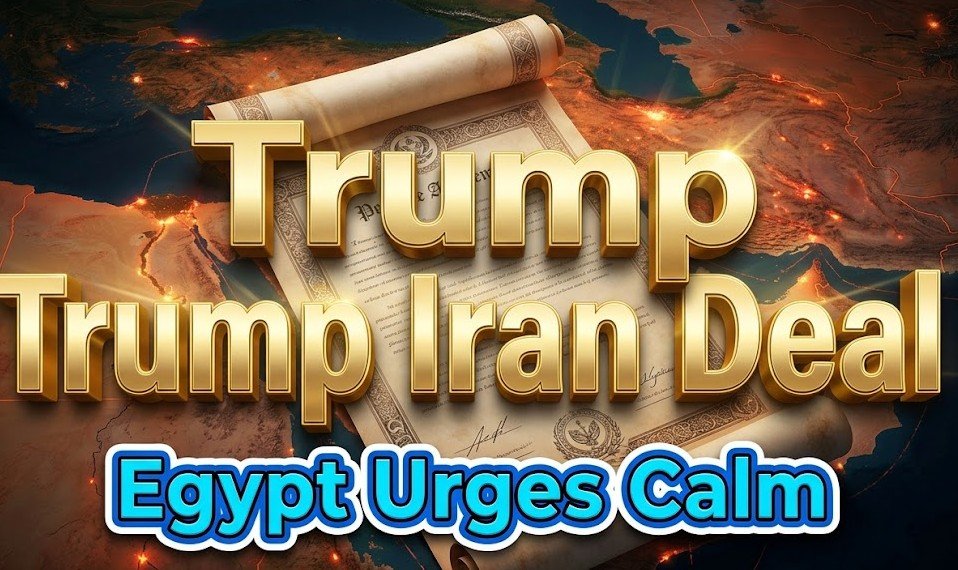
President Trump described ongoing contacts with Iran as constructive. He named envoys Steve Witkoff and Jared Kushner as key players in discussions with Iranian counterparts. Further talks could happen by phone soon.
“We don’t want Iran to have a nuclear weapon and we want peace in the Middle East,” Trump said. He added that both sides want a deal. Trump ordered a five-day delay on planned strikes against Iranian energy facilities and power stations. The pause gives diplomacy space to work.
He mentioned a possible agreement with up to 15 points. Such a deal could bring long-term security for Israel and the wider region. Trump noted that without recent actions, Iran might have moved closer to nuclear capability quickly. Yet he expressed hope that current talks could change the path.
Iranian officials pushed back on some claims. Several sources in Tehran called the talk of active negotiations untrue. They said the statements aim to ease market pressures rather than reflect real progress. Despite the denials, mediators from Egypt, Turkey, Pakistan and Oman continue carrying messages between the parties.
Impact of Strikes on Gulf Nations and Beyond
The conflict erupted on February 28, 2026, with US and Israeli strikes on Iran. Iran responded with waves of missiles and drones aimed at Israel and several Arab countries. Gulf states including the UAE, Saudi Arabia, Qatar and others reported interceptions but also damage to infrastructure.
Jordan faced repeated attacks too. Civilian areas and economic sites took hits in some cases. The Islamic Revolutionary Guard Corps claimed its 76th wave of missile launches. Hezbollah added strikes from Lebanon toward northern Israel.
These exchanges create real human costs. Families lose loved ones. Workers face disrupted lives. Oil facilities and shipping routes face threats, especially around the Strait of Hormuz. That narrow waterway carries about 20 percent of global oil trade. Any major disruption sends shock waves through energy markets and daily costs for people everywhere.
Economic worries grow daily. Higher fuel prices hit households and businesses. Trade routes face uncertainty. Egypt’s statement rightly flags these broad effects that cross borders and oceans.
Mediators Work Behind the Scenes for Peace
Egypt is not alone in its efforts. Turkey and Pakistan also help pass messages. Oman plays a traditional mediator role in Gulf tensions. These quiet channels show how multiple countries see the urgent need to step back from the edge.
Phone calls between Egyptian Foreign Minister Badr Abdelatty and counterparts in Saudi Arabia, UAE, Kuwait and others focus on coordination. The shared message remains steady. Stop the escalation before it spins out of control.
Israel watches developments closely. Reports suggest some cabinet discussions shifted after Trump’s comments. Pushback exists within Israeli circles about any quick pause in operations. The dynamics remain delicate with deep historical distrust between Iran and Israel.
Global players watch too. Russia raised concerns about strikes near Iran’s Bushehr nuclear site and risks of contamination. The United Nations and others repeat calls for restraint and return to talks.
Path Forward for Stability in the Region
A successful agreement would need to address core issues. Iran’s nuclear program sits at the center. Guarantees for Israel’s security matter deeply. Regional players want assurances that attacks on their soil stop for good.
Egypt’s consistent voice adds weight. As a major Arab nation with strong ties across the Gulf and good relations with the West, Cairo can help build trust where it is thin. Its emphasis on sovereignty resonates with neighbors who felt the direct impact of Iranian retaliation.
Success is not guaranteed. Conflicting public statements show the gap that remains. Yet the five-day window Trump created offers a rare breathing space. Markets reacted positively to the news with some oil prices easing on hopes of progress.
The coming days will test whether words can overcome weapons. Every day without new major strikes counts as a small victory for those pushing talks.
The Middle East has seen too many cycles of violence that leave ordinary people paying the highest price. Families in Tehran, Tel Aviv, Dubai and Amman all share the same basic wish. They want to live without the constant fear of sirens or sudden loss. Egypt’s clear call reminds everyone that dialogue remains the only path that truly protects the future for the next generation.