
A new London exhibition is shining a fierce light on one of history’s most powerful rulers. Ramses II, often called Ramses the Great, steps out from Tutankhamun’s long shadow in a major showcase at Battersea Power Station. The display reveals a king obsessed with glory, power and legacy, and determined to make ancient Egypt remember his name.
Visitors are already calling it one of the most striking Egypt shows in years.
Ramses II Takes Center Stage at Battersea
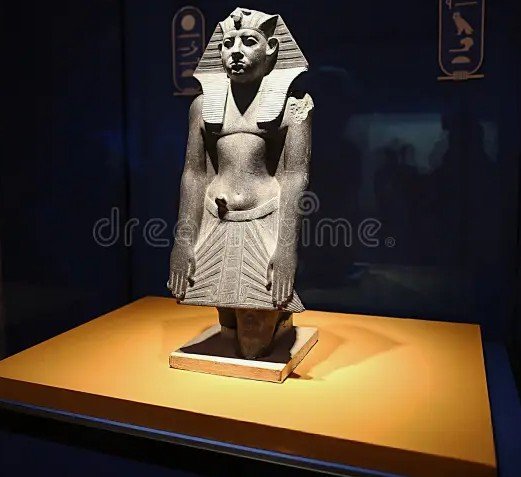
The exhibition, titled Ramses the Great and the Gold of the Pharaohs, has opened inside the vast industrial halls of Battersea Power Station. More than 180 ancient artefacts are on display, many travelling outside Egypt for the first time.
These treasures date back over 3,000 years to the reign of Ramses II, who ruled from 1279 BC to 1213 BC. His reign lasted 66 years, making him one of the longest ruling pharaohs in Egyptian history.
The exhibition includes:
-
Colossal statues of Ramses II
-
Gold jewelry and funerary masks
-
Sarcophagi and ornate coffins
-
Royal amulets and ceremonial objects
-
Multimedia reconstructions of temples
Organisers say the aim is simple: to restore Ramses II to his rightful place as Egypt’s most powerful ruler.
The show follows successful runs in Paris and the United States, where it drew large crowds.
A Pharaoh Obsessed With Power and Image
Ramses II was not a quiet ruler. He built monuments across Egypt and Nubia, carving his image into stone on a scale few leaders have matched.
His massive temples at Abu Simbel remain one of the most dramatic symbols of ancient power. The seated statues of the king rise more than 60 feet high, designed to awe subjects and intimidate enemies.
Historians credit him with:
-
Leading major military campaigns, including the Battle of Kadesh
-
Signing one of the world’s earliest known peace treaties with the Hittites
-
Fathering more than 100 children
-
Expanding temple construction across Thebes and beyond
He also renamed cities and monuments after himself.
One expert described him as the master of ancient propaganda. He often depicted himself as victorious in battle, even when outcomes were less clear.
Every wall, statue and inscription carried the same message: Ramses is eternal.
Stepping Out of Tutankhamun’s Shadow
For decades, global fascination with ancient Egypt has centered on Tutankhamun. The discovery of the boy king’s intact tomb in 1922 made him a household name.
Ramses II, by contrast, never had a single dramatic discovery moment. His tomb was looted in antiquity, and his mummy was later moved for protection.
Yet in life, Ramses far outshone Tutankhamun in power and influence.
Here is a quick comparison:
| Feature | Ramses II | Tutankhamun |
|---|---|---|
| Length of Reign | 66 years | About 9 years |
| Military Campaigns | Yes, major wars | None recorded |
| Major Monuments | Abu Simbel, Ramesseum | Few personal projects |
| Historical Impact | High | Limited during lifetime |
Tutankhamun became famous because his tomb survived.
Ramses II became powerful because he built his legacy with stone, war and diplomacy.
The London exhibition aims to correct what curators call a historical imbalance.
Inside the Artefacts on Display
The exhibition does more than celebrate ego. It also shows the skill and daily life of ancient Egyptian civilization.
Visitors can view finely crafted gold necklaces, detailed hieroglyphic inscriptions and burial objects meant to guide souls into the afterlife.
A striking highlight is the detailed wooden coffin of a high official from Ramses’ era. The painted surface still holds vivid color despite its age.
Interactive displays help visitors understand mummification techniques, temple construction and royal rituals.
The show also explains how Ramses’ mummy was rediscovered in 1881 in a secret cache near Deir el Bahari. Priests had hidden royal mummies there to protect them from tomb robbers.
His preserved face, with its sharp nose and strong jawline, has long fascinated historians.
Modern scientific analysis suggests he died in his early 90s, likely from arthritis and other age related conditions.
That longevity alone was remarkable in the ancient world.
Why Ramses II Still Matters Today
The exhibition arrives at a time when interest in ancient history remains strong. Social media platforms are already buzzing with posts under #RamsesExhibition and #AncientEgypt.
But beyond spectacle, the show raises deeper questions.
What does it mean to control your image?
How do leaders shape their own legacy?
And who decides which figures history remembers?
Ramses II understood branding long before the term existed.
He carved victories into temple walls. He placed his statues at strategic borders. He ensured future generations would see him as a divine ruler.
Yet centuries later, a young king’s untouched tomb stole global attention.
The exhibition reminds visitors that history is often shaped by chance discoveries as much as achievement.
Egypt’s Cultural Diplomacy and Global Tours
Egypt’s Ministry of Tourism and Antiquities has increasingly partnered with international venues to share major collections abroad. These global tours generate revenue and boost tourism interest.
Officials say the London exhibition strengthens cultural ties between Egypt and the United Kingdom.
Ticket demand has been strong, particularly among families and school groups.
Cultural analysts note that traveling exhibitions also help protect fragile sites in Egypt by reducing pressure from mass tourism at sensitive locations.
At the same time, some scholars argue that artefacts belong in their country of origin. The debate over cultural heritage remains ongoing.
A King Who Refused to Be Forgotten
Ramses II built monuments so vast he believed time itself could not erase him. Three thousand years later, his statues still rise from desert sands, and his story still sparks debate.
This new exhibition offers a rare chance to see the scale of his ambition up close.
It invites visitors to look beyond the golden mask of Tutankhamun and reconsider who truly shaped ancient Egypt’s destiny.
As crowds walk through Battersea Power Station, one message echoes across millennia.
