
Tensions in the Middle East have sharply escalated this week, drawing Gulf states deeper into a widening conflict sparked by ongoing military operations involving the United States, Israel and Iran. In a rare and forceful diplomatic protest, Saudi Arabia officially summoned Iran’s ambassador in Riyadh to condemn a series of Iranian attacks on its territory and neighbouring Gulf countries. This move highlights growing unease in the region and marks a significant moment in a crisis that has already rattled capitals from Riyadh to Doha.
The summit of tensions comes amid broader geopolitical upheaval, with airspace closures, military engagements, disrupted travel and economic shock waves spreading across the Middle East and beyond. As leaderships juggle between hardline postures and urgent crisis management, ordinary people find themselves caught in uncertainty.
Diplomatic Protest After Alleged Iranian Strikes
Saudi Arabia’s Foreign Ministry summoned Iran’s ambassador, Alireza Enayati, to deliver a severe diplomatic protest after what Riyadh described as “brazen attacks” on its territory and Gulf states by Iranian forces.
Deputy Foreign Minister Waleed Al‑Khuraiji conveyed Riyadh’s strong rejection of these strikes, stressing that violations of national sovereignty and territorial integrity are unacceptable and undermine regional stability. The ministry’s statement said the Kingdom would take “all necessary measures to defend its security” as long as threats persist.
This summons reflects a growing rift between Saudi Arabia and Iran, neighbours whose relations have already been strained by historic rivalry and divergent regional ambitions. While past diplomatic talks aimed to improve ties, recent events have sharply reversed any progress.
Saudi Arabia’s action was not isolated. Other Gulf Cooperation Council countries such as Kuwait and Qatar also summoned Iranian envoys to express disapproval of attacks on their soils. This collective stance hints at rising unity among Gulf states in the face of what they see as Tehran’s aggressive military posture.
What Triggered the Diplomatic Clash
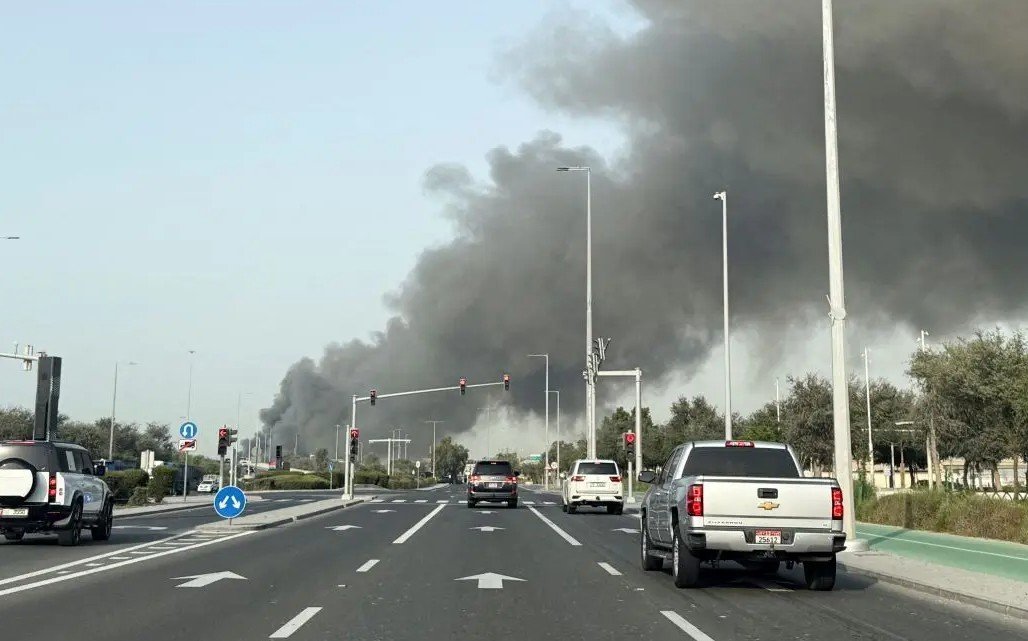
The immediate cause of Riyadh’s protest was a wave of missile and drone attacks launched by Iran into the Gulf region following a major military offensive by the U.S. and Israel inside Iranian territory. Those strikes reportedly targeted strategic military sites and killed several high‑ranking Iranian officials, including Supreme Leader Ayatollah Ali Khamenei.
Iran’s retaliation extended beyond hitting Israeli and U.S. military targets. Drone and missile launches reached deep into Gulf states including Riyadh and the United Arab Emirates, prompting Gulf nations to scramble air defences and condemn the moves as direct threats to their sovereignty.
The Saudi Foreign Ministry’s official tone emphasized that any attack on its soil, whether Iranian or otherwise, violated international norms and demanded a strong response both diplomatically and on the ground.
Regional Reaction and Gulf State Security
The protests by Saudi Arabia and other Gulf states form part of a coordinated reaction to what many leaders in the region see as a dangerous expansion of conflict beyond immediate U.S.-Iran-Israel hostilities.
In recent days, Gulf Cooperation Council nations have participated in joint condemnations alongside the United States, uniting in rhetoric against Iranian missile and drone strikes. This move shows how regional security alliances are shifting and tightening under stress.
The United Arab Emirates took an even stronger step by withdrawing its ambassador from Tehran and closing its embassy, citing Iranian attacks that endangered its territory. This dramatic diplomatic shift highlights how some Gulf states are losing patience with Tehran’s military actions.
For Riyadh and its neighbours, the balance between diplomatic engagement and defensive readiness has become a central challenge. Gulf states now face the prospect of solidifying relationships with Western allies while simultaneously protecting their own interests against further retaliation.
Economic and Global Implications
The diplomatic rupture between Saudi Arabia and Iran arrives at a time when global markets are already on edge. Oil prices have surged due to fears of supply disruption in the strategic Strait of Hormuz, a vital artery for global energy exports. This volatility has ripple effects on economies far beyond the region’s borders.
Airspace disruptions and attacks on critical infrastructure have also disrupted global travel and commerce. Airports in Dubai and other Gulf hubs have seen flight cancellations and advisory warnings as a result of ongoing conflict.
For ordinary citizens, the geopolitical tensions translate into economic anxiety and uncertainty about future stability. Rising fuel costs, shifting travel plans, and security risks have become immediate concerns for families and businesses alike.
Calls for Restraint and International Response
Amid deepening diplomatic rifts and military postures, international leaders have called for restraint and dialogue. India, for example, urged all parties to respect sovereignty and prioritise safety of civilians, reflecting concern from nations with strategic interests in the region.
France’s president called for urgent discussions at the United Nations Security Council, highlighting global fear that unchecked escalation could destabilise not just the Middle East but the wider world.
These diplomatic efforts underscore a shared understanding: without urgent communication channels and de‑escalation strategies, the crisis could spread further and draw in more actors, compounding regional insecurity.
A Turning Point in Gulf Diplomacy
The Saudi decision to summon the Iranian ambassador is not just symbolic. It marks a significant deterioration in relations between two of the Middle East’s leading powers. As Gulf states unite to condemn what they view as attacks on their sovereignty, diplomatic landscapes are shifting, alliances are being tested, and the risk of broader conflict looms large.
Whether this diplomatic retaliation will be followed by negotiations or further escalation remains uncertain. But for now, the message from Riyadh is clear: Gulf nations are no longer willing to absorb threats in silence.
What do you think Riyadh’s strong diplomatic stance means for the future of Middle East peace? Comment below with your thoughts and share this article with hashtag #GulfTensions2026 if you are following this developing story.
