The ancient streets of Tel Aviv echoed with air raid sirens for more than 30 times in just two days, leaving residents shaken as another wave of missiles struck the heart of Israel’s largest city. What began as a strategic military offensive has quickly transformed into a deepening crisis that is reshaping lives, security policies and regional dynamics across the Middle East.
This sudden flurry of missile alerts and bombardments has brought the reality of war into living rooms, workplaces and shelters. Behind the headlines of geopolitics and strategy are real families grappling with fear and uncertainty.
A City Under Siege After Major Strikes on Iran
In the early hours of February 28, the United States and Israel launched a coordinated military operation targeting multiple sites across Iran, including strategic military facilities and leadership compounds. This offensive — described by American and Israeli officials as necessary to neutralize long‑term threats — marked one of the most significant military escalations in years.
According to Israeli defense sources and public reports, Iran responded with extensive rocket, drone and ballistic missile barrages aimed at several Israeli cities, including Tel Aviv. These exchanges have triggered civil defense warnings repeatedly, forcing thousands to retreat to reinforced structures and public shelters. On Sunday alone, reports indicated that the city heard more than 30 distinct missile sirens over a 48‑hour span, a pace residents there have described as unlike anything in their lifetimes.
This escalation followed confirmation by Iranian state media that Supreme Leader Ayatollah Ali Khamenei was killed in the initial strikes, a development that has both inflamed regional tensions and sparked fervent domestic reactions within Iran.
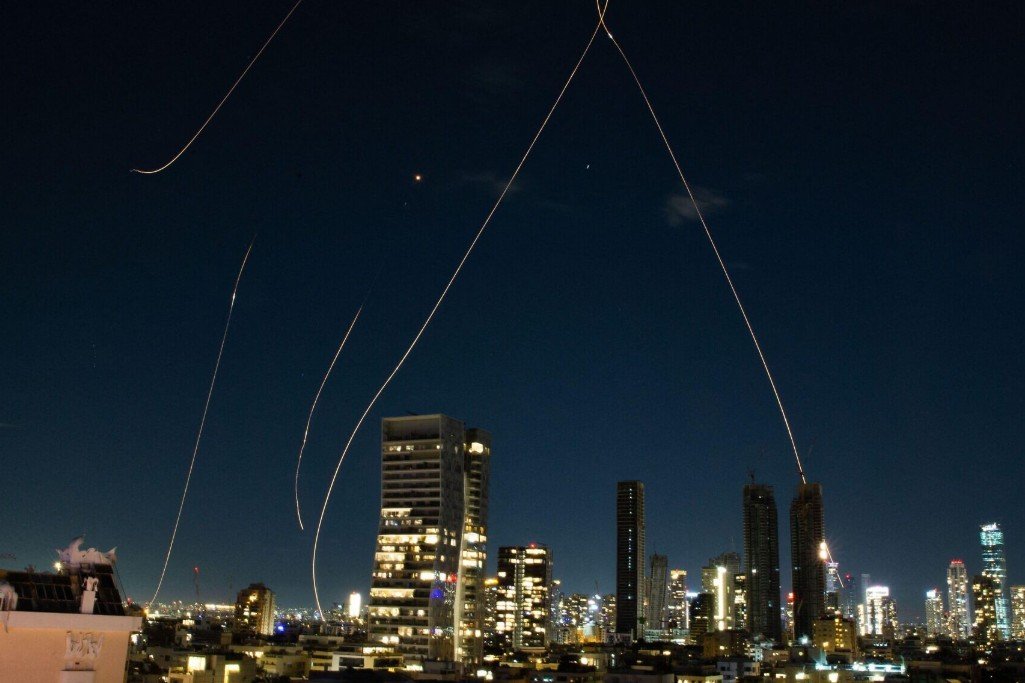
Civilian Life Disrupted Amid Air Raid Warnings
For many families in Tel Aviv, the cacophony of sirens became a daily reality. Israelis have been trained for conflict responses, but the psychological toll of extended threat periods is profound.
Homes once full of routine activity turned into makeshift shelters. Neighbors shared stories of children clutching blankets, adults juggling phones for news updates, and entire communities spending long hours in basement refuges.
Local security analysts sheltered with their families have described the situation as intensely stressful, emphasizing the importance of resilience and preparedness in what they call an unexpected escalation of conflict.
Emergency services have mobilized to support residents caught outside protected areas when sirens sounded. In related attacks across Israel on Sunday, at least one civilian was killed in Tel Aviv and multiple others were injured as Iranian missiles impacted residential and central districts.
The scale of alerts has prompted the Israeli government to declare a nationwide state of emergency, activate thousands of reservists and close schools and public gatherings in several districts. The Ministry of Defence has urged people to stay near shelters and maintain awareness of official safety guidance.
Escalation Across Borders and Allies
Though Tel Aviv has drawn attention due to repeated sirens, the conflict’s ripple effects extend far beyond Israeli cities.
Iran’s missile and drone assaults targeted U.S. military bases and allied positions across the Gulf, including facilities in Bahrain, Kuwait, Qatar and the United Arab Emirates. Reports from regional security sources indicate that air defense systems in Gulf capitals have intercepted hundreds of incoming threats, though debris has still caused injuries and limited damage.
This has prompted emergency responses and diplomatic reactions from several Arab states. Saudi Arabia recently summoned Iran’s envoy to condemn attacks on its territory and underscore the gravity of regional instability linked to the ongoing war.
Meanwhile, Iran‑linked militant group Hezbollah in Lebanon launched rocket attacks at northern Israel, drawing a swift retaliatory response by Israeli forces against targets in southern Lebanon. This expansion illustrates how the conflict is quickly involving multiple fronts beyond the initial Iran‑Israel corridor.
Political Messages and Military Postures
Leaders on both sides have used strong rhetoric in recent communications. U.S. and Israeli officials have indicated they will continue their military operations as long as deemed necessary, with statements that stress objectives of degrading Iran’s military capabilities and preventing future threats.
Within Israel, political figures and security analysts alike have offered mixed public messages. Some stress the resilience of Israeli defense systems such as the Iron Dome, while others caution that broader regional consequences are likely if the conflict stretches further.
Iran’s leadership — temporarily reorganized after its top leader’s reported death — has vowed retaliation and widespread resistance against what it calls aggression. Various Iranian officials have indicated a continuation of missile operations until key strategic aims are met, signaling that this may be a prolonged period of confrontation rather than a brief episode.
Human Cost Beyond Military Strategy
Beyond strategy and missiles lies the deep human cost of extended conflict. Families in Tel Aviv have described sleepless nights, emotional stress on children, and constant dread of potential impacts at any moment. Healthcare providers have reported an uptick in stress‑related conditions and urgent care needs that stem directly from repeated alerts and loud explosions. Parents speak of the strain on mental well‑being, with psychological effects that may linger long after the sirens stop.
Those living in cities like Haifa, Jerusalem and Beersheba have also reported similar experiences in recent days as the conflict expanded and civil defense systems were repeatedly activated.
Observers note that when civilians face regular reminders of imminent danger, societal routines — work, education, public life — fracture under strain, and communities are forced to adapt in remarkably short timeframes.
What Comes Next
As the Middle East stands at the brink of a wider conflict, the near future remains uncertain. Diplomatic efforts and international calls for urgent ceasefire and negotiation have gained traction in global forums, including pleas from United Nations and foreign governments. But for now, ground reality remains high alert.
For people living under the threat of missiles, daily life has shifted to prioritizing safety and community support. Their stories remind the world that behind each geopolitical headline are human lives navigating fear, endurance and hope.