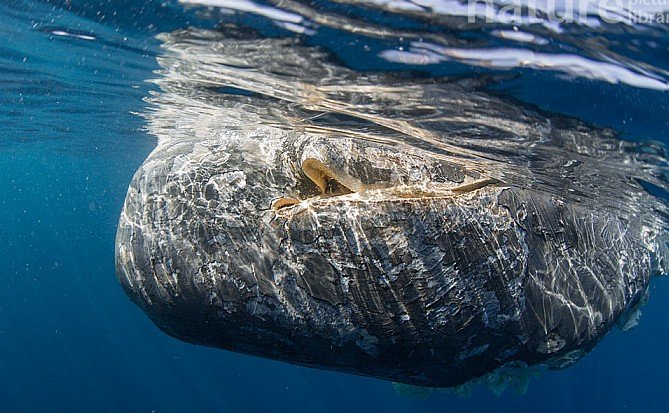
A massive sperm whale carcass was found washed up early Tuesday morning on Zikim Beach in southern Israel, shocking residents and marine experts who are now rushing to uncover why this endangered giant perished so close to shore. The mysterious death raises urgent questions about the health of marine life in the Mediterranean Sea and highlights growing threats to vulnerable species in the region.
Discovery on Zikim Beach Sparks Concern
Early on Tuesday morning, a large sperm whale was discovered dead on Zikim Beach, located within the Yam Shikma Marine Nature Reserve close to the Gaza border, according to officials from Israel’s Nature and Parks Authority.
-
A patrol officer who arrived at the scene described seeing a huge fin and immediately recognized the whale was lifeless.
-
The carcass appears to be exceptionally large, suggesting a mature individual from a species recognised as one of the ocean’s most impressive mammals.
Right now the exact cause of death remains unknown. Experts from the Morris Kahn Laboratory for Marine Research at the Leon Charney School of Marine Sciences and researchers from the Delphis Association for Marine Animals are scheduled to perform a necropsy in the coming days.
Marine scientists will analyse tissue samples, internal organs, and surrounding environmental data during the autopsy to find clues about what happened.
Endangered Mediterranean Population Under Threat
This is not an isolated event. Since marine research began in Israel, at least eight sperm whale carcasses have washed ashore along the country’s coastline, according to Delphis experts.
-
The International Union for Conservation of Nature (IUCN) classifies the Mediterranean sperm whale population as endangered with only an estimated 250 to 2,500 individuals remaining.
-
This Mediterranean group of sperm whales is genetically distinct from the Atlantic population and even communicates using its own unique dialect of clicks.
-
Unlike global sperm whale populations, which are vulnerable, the Mediterranean group faces more severe risk due to isolation and narrower habitat range.
Marine biologists have been tracking these whales for years. Dr Aviad Scheinin of Delphis says that sightings of live whales have increased since 2020, but so have the number of dead whales found ashore.
Threats Beneath the Surface
Scientists stress that the Mediterranean sperm whale population is under pressure from multiple human-driven threats.
-
Drift nets used for swordfish and tuna fishing often entangle whales and other large marine animals unintentionally.
-
Seismic surveys for oil and gas exploration produce intense sound waves that can disorient or harm deep-diving mammals.
-
Plastic pollution fills the oceans with debris that can be ingested or entangle animals, further weakening their health.
These combined pressures add up to a serious conservation challenge for a species already struggling to survive in the busy and shrinking eastern Mediterranean ecosystem.
Deep-sea species like sperm whales rely on stable food sources and quiet waters to navigate and hunt, and disruptions to this balance can have dire consequences.
What the Autopsy Might Reveal
Experts conducting the necropsy hope to shed light on whether the whale died from natural causes, human activity, or environmental stressors. Previously, scientists have linked beachings in the region to factors like starvation, entanglement, and even sonar disruption.
Data from the autopsy can include:
-
Examination of internal organs for disease or injury
-
Tests for plastic ingestion or contamination
-
Evaluation of tissue for chemical or noise-related stress responses
These findings will help researchers understand not just this whale’s fate but might build a clearer picture of threats facing the entire Mediterranean ecosystem.
Broader Environmental Alarm Bells
The arrival of this whale carcass comes amid rising concern about marine biodiversity losses in the region. Related incidents include rare turtles washing ashore entangled in fishing gear, suggesting a wider pattern of marine distress off the Israeli coast.
Scientists say that the Mediterranean Sea, bordered by densely populated regions and intense industrial activity, is especially vulnerable to climate change, pollution, and habitat destruction.
“The sea needs our protection before more unique species disappear,” said one conservation expert speaking on recent strandings. While this whale’s story is still unfolding, it underscores the fragility of ocean life.
This event offers a moment to reflect on how human activity affects distant marine ecosystems that we rarely see or think about.
Scientists, policymakers, and citizens alike will now be watching closely as results from the necropsy are released. The findings could shape future protections for these majestic creatures and the waters they call home.
This discovery is more than a tragic sight on a beach. It is a reminder of the delicate balance of life beneath the waves and the urgent need for meaningful conservation efforts worldwide.