
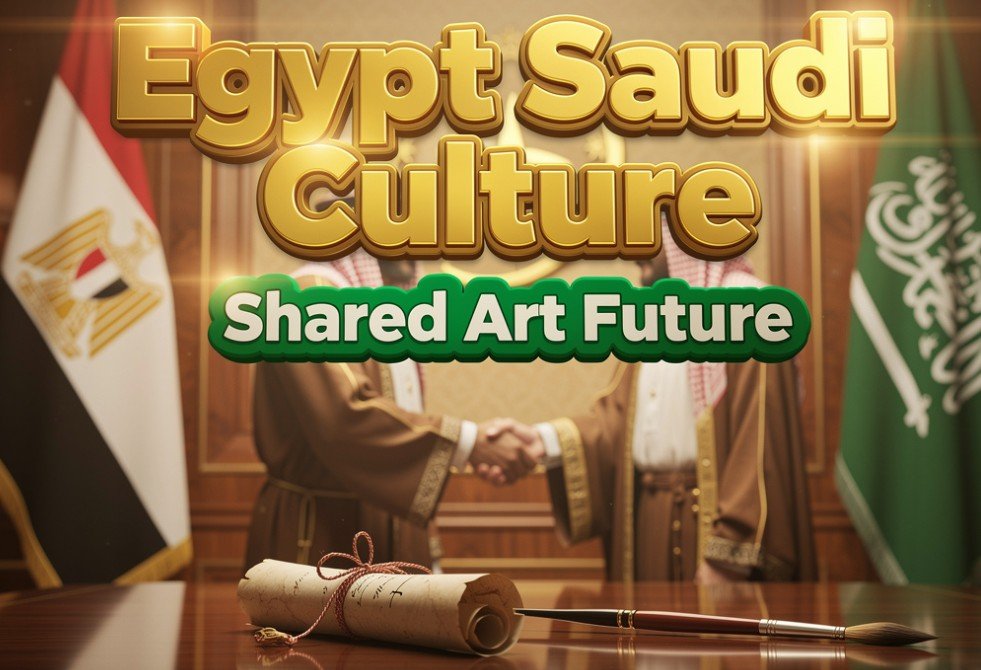
Egypt’s Minister of Culture Dr Jihan Zaki welcomed Saudi advisor Turki Alalshikh in Cairo this week in a meeting that signals a new chapter of cultural cooperation between the two leading Arab nations. The encounter has sparked optimism among artists, cultural institutions, and policy makers across the region as both sides discuss collaborative arts projects and bilateral initiatives that go beyond diplomacy and extend into shared heritage and creative exchange.
This visit comes amid a series of high-level exchanges between Egypt and Saudi Arabia, emphasizing not only political friendship but also a mutual desire to build stronger cultural bridges that resonate with everyday citizens through film, theatre and art.
Historic Partnership at the Heart of Cultural Talks
At her office in Zamalek, Dr Zaki personally received Turki Alalshikh, who serves as an advisor at the Saudi Royal Court and is the Chairman of the Saudi General Entertainment Authority. Their discussions focused on ways to deepen cultural and artistic collaboration between Cairo and Riyadh.
In her opening remarks, the minister emphasized the longstanding historical ties and brotherly bonds between Egyptians and Saudis, noting that these connections have consistently guided cooperative efforts across diverse sectors. She highlighted that current leaders, including President Abdel Fattah El-Sisi of Egypt and King Salman bin Abdulaziz along with Crown Prince Mohammed bin Salman of Saudi Arabia, have nurtured this strategic partnership to benefit both nations’ people and creative communities.
Dr Zaki also stressed that culture and the arts are not peripheral activities. Instead, they are powerful tools that strengthen civilizational dialogue and encourage deeper understanding among Arab societies. She pointed out that cultural cooperation supports enlightenment values and builds social awareness, particularly through shared artistic experiences that transcend borders.
New Projects and Artistic Exchanges
Officials on both sides revealed that several cultural and artistic initiatives are already being studied and developed as a result of the meeting. Dr Zaki expressed confidence that these proposals will soon move from concept to reality, describing the emerging cooperation as a “fruitful partnership” that promises to energize creative movements in both countries.
Turki Alalshikh reiterated this point, stating that the coming period will witness the launch of many joint cultural ventures. He said both nations aim to “plant hope and joy” through shared artistic and entertainment projects that reflect Arab identity while encouraging creativity and innovation.
Part of this effort is expected to include collaborations in areas such as cinema, theatre, music, and festivals. Preliminary reports suggest that both sides are exploring opportunities for co-productions, performing arts events, and talent exchanges that will bring Egyptian and Saudi artists together on major stages.
Beyond Culture to Shared Strategic Goals
The visit of Turki Alalshikh to Egypt also serves a broader strategic purpose. Earlier in his trip, he met with Egyptian officials, including the Minister of State for Media, reinforcing the message that cultural cooperation is part of a wider menu of shared national goals.
Commenting on the significance of the visit, media officials emphasized that such exchanges help counter misinformation and strengthen public trust in bilateral relations. They pointed out that culture and media are tools that can deepen mutual understanding and counter divisive narratives by highlighting shared values and collective achievements.
This approach underlines a mutual recognition that diplomacy and culture are not separate realms but interconnected avenues for fostering unity and respect among Arab citizens. By connecting artistic expression with national identity and mutual heritage, both Egypt and Saudi Arabia hope to nurture a sense of belonging and shared pride across wider audiences.
Why This Cooperation Matters Now
This renewed emphasis on cultural cooperation arrives at a moment when both nations continue to invest heavily in creative industries. Saudi Arabia, in particular, has been expanding its entertainment and cultural sector as part of broader economic diversification plans, bringing in new festivals, film initiatives, and large-scale events that draw international attention.
Egypt remains one of the Arab world’s most influential cultural hubs, with a rich cinematic history and thriving arts scene that has shaped Arab perception of storytelling and performance for decades. Bridging these strengths with Saudi financial and strategic support opens fresh possibilities for regional cultural leadership, benefiting creators and audiences alike.
Analysts note that these cooperative efforts are more than symbolic. They reflect a practical commitment to expanding cultural diplomacy, encouraging creative economies, and paving the way for future generations of artists who can amplify Arab voices both regionally and globally.
A Path to Shared Cultural Growth
The meeting between Dr Jihan Zaki and Turki Alalshikh signals a thoughtful shift in how both countries view culture’s role in national and regional development. Rather than treating arts and culture as entertainment alone, leaders from Cairo and Riyadh see these fields as cornerstones of identity, unity, and shared purpose.
For many observers, the proposed initiatives also symbolize hope and renewal. At a time when the world looks to the Middle East with curiosity and interest, strengthening cultural and artistic ties between two of its most influential capitals is a gesture of confidence and mutual respect.
This collaborative spirit may soon lead to new festivals, joint film projects, theatre seasons, and cultural tours that bring audiences into direct contact with the depth of Arab creativity and storytelling.
Let us know in the comments what cultural collaboration you would like to see between Egypt and Saudi Arabia and tag your friends to share your views on how the arts can build bridges between nations.
