Sirens and interceptors are not the only defense systems active in Israel today. Deep beneath the surface, the entire nation is quietly shifting its critical healthcare infrastructure onto a war footing. As threats from Iran escalate, health officials are rolling out a massive defense plan to keep the nation breathing even if the power goes out.
The scope of this preparation is unprecedented in recent history. It is not just about treating the wounded from the front lines anymore. The mission has expanded to keeping routine medical care alive while under fire.
The Underground Shift
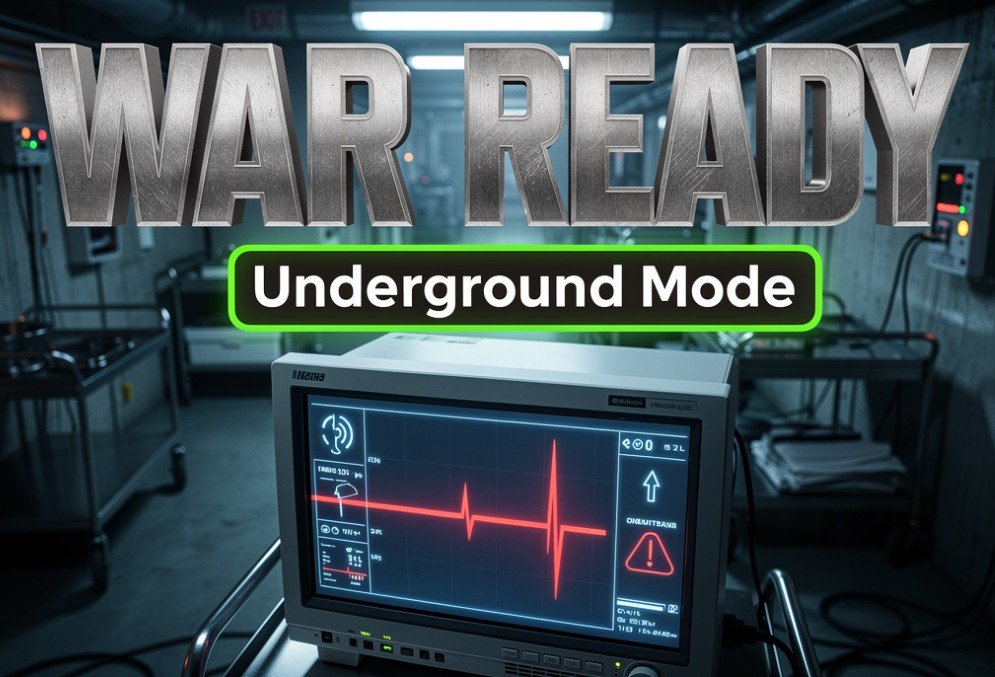
The most visible sign of this preparation is happening in the parking lots of major medical centers. Hospitals in northern and central Israel are converting underground spaces into fully functioning wards. This is part of a strategy known as “protected continuity.”
Rambam Health Care Campus in Haifa has set the standard for this approach. Their fortified underground emergency hospital is designed to operate self sufficiently. It can function without external support for days.
Other hospitals are following this lead. They are moving neonatal intensive care units and critical surgical wards into hardened shelters. This ensures that surgeries and births can continue even during missile barrages.
Key Hospital Defensive Measures:
- Fortified Wards: Converting underground parking structures into patient care areas.
- Blast Protection: Reinforcing ground level windows and entrances against shrapnel.
- Island Mode: Systems that allow hospitals to generate their own power and water for 72 hours.
- Staff Drills: Medical teams practicing patient transfer to shelters under simulated fire.
These measures are not theoretical. Drills are taking place weekly. Staff members are learning how to run an ICU without natural light or cell service. The goal is to prevent the collapse of the health system during a multi front war.
Lifelines for Home Care Patients
A major worry for health officials involves the thousands of Israelis who receive care at home. This includes elderly patients and those with severe chronic conditions. The biggest risk for this group is a prolonged power outage.
The Health Ministry has identified roughly 30,000 patients who rely on home ventilation or oxygen support. A power cut for them is an immediate life threat.
To counter this, Israel’s health funds have begun a massive logistical operation. They are distributing thousands of medical grade backup generators. These units can power ventilators and oxygen concentrators for up to 72 hours.
Regional support centers have also been established. If a neighborhood loses power for longer than the batteries last, patients have a designated safe place to go. Local authorities are coordinating with the Home Front Command to map every single one of these vulnerable citizens.
Digital Medicine Takes Over
The physical clinics are closing in high risk zones. To fill the gap, the system is going digital. Telemedicine is no longer a convenience. It is now a critical operational necessity.
Israel’s four main health maintenance organizations (HMOs) have expanded their remote capabilities. They have increased server capacity to handle thousands of simultaneous video calls.
Doctors and nurses are being equipped with secure laptops and data connections. They can now prescribe medication and monitor vitals from their own reinforced safe rooms.
The Shift to Remote Care:
| Service Type | Peacetime Method | Wartime Protocol |
|---|---|---|
| Routine Checkups | In-clinic visit | Video or Phone consultation |
| Prescriptions | Paper or digital at clinic | Digital sent directly to pharmacy |
| Chronic Monitoring | Nurse visits | Remote sensors and daily calls |
| Mental Health | Office therapy | 24/7 Crisis Hotlines |
This shift reduces the need for civilians to travel on dangerous roads. It also keeps waiting rooms empty. This prevents mass casualty events if a clinic were to be hit by a rocket.
Stockpiling for the Siege
Logistics teams are working overtime behind the scenes. The assumption is that supply chains will break. Ports might close and airports could shut down.
The Ministry of Health has ordered a massive increase in strategic stockpiles. This includes essential medications, anesthetics, and surgical equipment. The goal is to have four months of supplies on hand within the country.
Blood supplies are another critical focus. Magen David Adom, Israel’s national emergency service, has moved its blood processing center. It is now located in a new, subterranean vault.
This facility is shielded against missile attacks and chemical weapons. It ensures that the national blood supply remains safe regardless of what happens on the surface.
Critical Supply Focus Areas:
- Trauma Supplies: Bandages, tourniquets, and blood clotting agents.
- Chronic Meds: Insulin and heart medication stockpiled at pharmacy level.
- Fuel Reserves: Diesel storage filled to capacity for hospital generators.
The coordination extends to the local level. Mayors and local councils are stockpiling water and dry food for medical shelters. They are preparing for a scenario where water pumps fail due to cyber attacks or grid strikes.
Mental Health on the Front Line
The physical preparations are intense. But the mental toll is also being addressed. The health system is bracing for a wave of acute stress reactions.
Resilience centers are opening across the country. These are staffed by social workers and psychologists. They are ready to treat shock and anxiety in real time.
Special protocols are in place for hospital staff. They are expected to work long shifts under extreme pressure. Support teams are being assigned to hospital units to watch over the doctors and nurses themselves.
“You cannot treat a patient if you are falling apart,” a senior psychiatrist noted in a recent briefing. “We are prioritizing the mental fitness of our teams just as much as the physical safety of our buildings.”
The preparation is total. From the deepest underground bunker to the cloud servers hosting patient data, Israel is trying to close every gap. The hope is that these plans will never be tested fully. But the reality on the ground suggests that the test may come sooner than anyone wants.
Israel is hardening its medical shield. The hospitals are ready to go dark on the outside but stay bright on the inside. Thousands of generators are standing by in living rooms. The nation is preparing to survive.