
Jordan’s free and development zones recorded strong trade growth in 2025, with total trade volumes rising by 17 percent and international exports climbing 18 percent, underscoring the sector’s resilience despite regional and global economic pressures. Officials say the performance highlights growing investor confidence and improving competitiveness of Jordanian products.
The gains were reported by the Jordan Free and Development Zones Group, which oversees free zones and development areas across the Kingdom.
Trade volumes hit JD5 billion as exports accelerate
According to data covering January through October, total trade volume in Jordan’s free zones reached about JD5 billion by early December, marking a year on year increase of 17 percent.
Exports showed broad based strength. Total exports rose to roughly JD2.6 billion, up 15 percent. Within that figure, domestic exports increased by 12 percent, while international exports jumped 18 percent, reflecting improved access to external markets and stronger logistics performance.
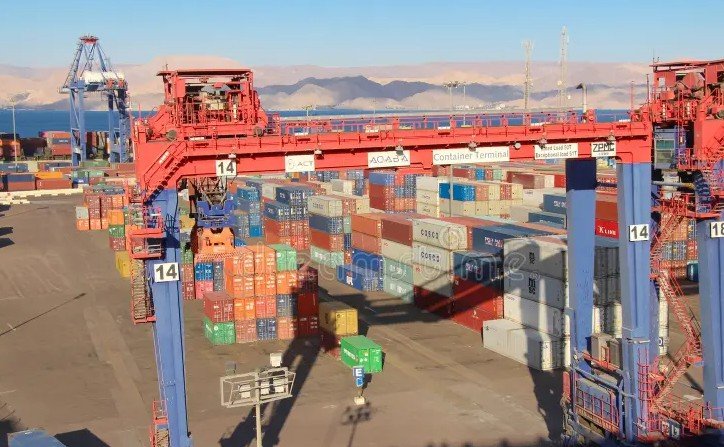
Officials attributed the export growth to better supply chain efficiency and sustained demand for Jordanian goods across multiple sectors.
Key performance indicators at a glance
| Indicator | 2025 Performance | Year on Year Change |
|---|---|---|
| Total trade volume | JD5 billion | Up 17% |
| Total exports | JD2.6 billion | Up 15% |
| Domestic exports | — | Up 12% |
| International exports | — | Up 18% |
| Free zone revenues | JD26 million | Up 9% |
Free zone revenues rose by 9 percent to about JD26 million, signaling stronger operational efficiency and stable economic activity within the zones.
Investment strategy targets jobs and tourism
Sachir Ajlouni, chairperson of the JFDZ board, said the group continues to act as a central investment arm for the government, focusing on attracting high quality projects that deliver both economic and developmental impact.
He described 2026 as a milestone year, noting that the adopted investment approach prioritizes projects that create jobs, support tourism growth, and strengthen Jordan’s position as a regional investment destination. Several strategic projects are expected to move from agreements to implementation in the coming phase.
Investor activity remains steady despite pressures
Director General Abdul Hamid Gharaibeh said performance indicators demonstrate resilience amid geopolitical uncertainty and global economic headwinds. The number of investment agreements reached 2,686, an increase of 3 percent, with notable growth at the Airport Free Zone.
Gharaibeh highlighted that investor interest has remained steady even as regional pressures persist, reflecting confidence in Jordan’s regulatory environment and infrastructure.
Zarqa vehicle sector leads growth
One of the standout performers was the Zarqa Free Zone’s vehicle sector. Incoming and outgoing vehicle volumes rose by more than 50 percent, driven largely by growth in electric and hybrid vehicles.
Officials said the surge aligns with shifting consumer demand and regional trends toward cleaner transport, positioning the zone as a hub for next generation vehicle trade.
Logistics gains support export momentum
Gharaibeh also pointed to an 18 percent rise in the value of internationally exported goods, accompanied by higher export volumes. The gains were linked to improvements in logistics efficiency and supply chain coordination, particularly through key gateways such as the Port of Aqaba.
These efficiencies have helped reduce transit times and costs, supporting exporters competing in international markets.
Outlook for 2026
Officials expect momentum to carry into 2026 as new projects come online and existing investments scale up. The focus remains on sustainable growth, operational efficiency, and deeper integration with regional and global trade networks.
With exports rising and investment activity holding firm, Jordan’s free zones are positioned as a key driver of economic performance in the year ahead.
What sectors do you think will drive the next phase of growth in Jordan’s free zones? Share your views and join the discussion.
