
Egypt is moving fast to lock in a structured partnership with Pakistan, with Cairo’s top diplomat signaling that both countries should shape a shared roadmap for 2026 covering political, economic and security priorities. The message came during an official visit to Islamabad, where discussions stretched far beyond bilateral matters and deep into the ongoing crisis in Gaza.
The visit also carried a written message from Egypt’s president, underscoring how seriously Cairo views this next phase of engagement.
Cairo Looks to Reset and Strengthen Its Partnership With Islamabad
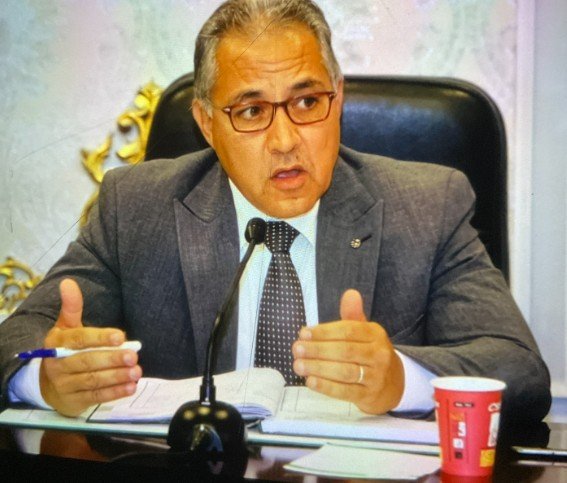
Egyptian Foreign Minister Badr Abdelatty used his meetings in Islamabad to push for a clearer long-term framework with Pakistan.
He said the goal is to create a roadmap that spans multiple fields and ensures both sides are moving in step.
The foreign ministry in Cairo described the visit as part of a wider strategy to revitalise ties with key Asian partners.
A short note here: Abdelatty personally handed the letter from President Abdel Fattah al-Sisi to Asif Ali Zardari.
The letter focused on ways the two nations can tighten cooperation, especially as they face overlapping geopolitical pressures.
These efforts also reflect Cairo’s broader push to diversify partnerships outside its traditional alliances.
Gaza Crisis Takes Center Stage in High-Level Talks
While strengthening bilateral ties was the stated reason for the visit, the Gaza situation dominated conversations.
Abdelatty pressed for firm implementation of UN Security Council Resolution 2803.
That resolution forms the backbone of the current ceasefire framework in Gaza.
He also urged progress into the second phase of the ceasefire arrangement endorsed by former US President Donald Trump.
A quick one-liner: the second phase outlines steps to stabilise the enclave beyond the initial halt in fighting.
Abdelatty stressed that a fully functioning international stabilization force is essential to keep the truce intact.
He said this force must operate across Gaza as outlined under the UN-backed framework.
Human Toll and Regional Tensions Continue to Shape Diplomacy
The scale of destruction in Gaza remains one of the most pressing points for Egypt and Pakistan alike.
The ceasefire deal, mediated jointly by Türkiye, Egypt and Qatar, halted two years of hostilities.
Those two years recorded more than 70,000 deaths and over 170,000 injuries, according to official tallies referenced by negotiators.
Most of the victims were women and children.
A single sentence to break the rhythm: the numbers still shock leaders even after countless briefings.
Phase one of the ceasefire required the exchange of detainees — Israeli hostages for Palestinian prisoners.
Future stages aim to kickstart rebuilding and create a governing structure that replaces Hamas in the administration.
Egypt Prepares for Delayed International Reconstruction Conference
Abdelatty also reviewed plans for an international conference focused on early recovery and rebuilding in Gaza.
The conference was originally expected in November.
It has not yet taken place due to shifting security and diplomatic conditions.
Egypt still intends to push the agenda forward, with officials saying that reconstruction cannot wait indefinitely.
One-sentence observation: Cairo believes the conference will shape Gaza’s economic path for years.
Abdelatty said the delay has not affected the preparation of project blueprints or financial proposals.
Organisers are still coordinating with a mix of regional governments, UN agencies and partner institutions.
Pakistan’s Position Aligns Closely With Cairo’s Priorities
Pakistan has repeatedly supported Egypt’s diplomatic role in Gaza.
Officials say Islamabad views Egypt as central to any long-term political settlement.
Its government welcomed the Egyptian delegation’s push for a roadmapped partnership.
A quick one-sentence note: the call for a joint 2026 plan resonated strongly with Pakistani counterparts.
Pakistan also emphasized its readiness to coordinate more closely on global security forums.
Talks included discussions on trade and energy opportunities, areas both countries want to expand.
What a 2026 Joint Roadmap Might Include
While details are still forming, a few themes appear likely to shape next year’s framework.
Officials from both capitals hinted at economic collaboration as a key anchor.
Security cooperation is also expected to play a prominent part.
Below is a quick snapshot of expected cooperation areas:
-
Economic investment, energy projects, regional security coordination, technology exchanges.
One-sentence transition: all of this reflects how both countries want to position themselves ahead of a shifting regional landscape.
Possible Bilateral Focus Areas (Unofficial Draft Overview)
| Area | Expected Priority | Notes |
|---|---|---|
| Trade & Investment | High | Egypt seeks Asian market diversification |
| Security & Defence | Medium–High | Focus on counterterrorism cooperation |
| Energy | Medium | Pakistan exploring LNG and electricity links |
| Technology | Medium | Potential digital cooperation channels |
Broader Geopolitical Context Shapes Cairo’s Diplomacy
Egypt’s renewed outreach comes as it balances both regional crises and economic challenges.
Its leadership sees deeper cooperation with Pakistan as a stabilising factor.
This fits into a series of recent diplomatic engagements stretching from Asia to Africa.
One-sentence addition: the Gaza conflict added urgency to many of these diplomatic conversations.
Cairo also believes that coordinated international pressure is necessary for any long-term ceasefire.
Both countries agree that humanitarian reconstruction must start sooner rather than later.
