Egypt will host a massive gathering of global figures for the Grand Egyptian Museum opening on November 1, 2025, near the Giza Pyramids. More than 40 presidents, kings, and prime ministers plan to join this landmark event, marking a key moment in showcasing Egypt’s ancient heritage to the world.
This ceremony highlights Egypt’s role as a hub of culture and history. Officials say it will draw attention to the museum’s vast collection and boost tourism, with preparations underway to handle the high profile crowd.
Event Details and Schedule
The opening kicks off on November 1, 2025, with a grand ceremony expected to last several hours. Leaders will arrive in Cairo, where security and logistics teams have set up special routes to the site.
Live broadcasts will reach millions through platforms like TikTok, allowing global audiences to watch in real time. This setup aims to share Egypt’s cultural treasures far beyond the event grounds.
Organizers have planned cultural performances and speeches to celebrate the museum’s role in preserving history. The day will end with tours for VIP guests, giving them first access to exhibits.
Key Attendees and Global Reach
Egypt sent invitations to leaders from across continents months ago, and responses confirm a record turnout. This includes heads of state from Europe, Asia, Africa, and the Americas, showing wide interest in the project.
The event underscores Egypt’s diplomatic ties and its push to promote heritage tourism. Past events like the Royal Mummies Parade in 2021 drew similar crowds, but this one promises even more international spotlight.
Notable figures may include representatives from major powers, though exact names remain under wraps for security. Their presence will highlight shared global appreciation for ancient civilizations.
Experts note this gathering could lead to new partnerships in archaeology and education. It positions Egypt as a leader in cultural exchanges amid ongoing global talks on heritage preservation.
Museum Highlights and Artifacts
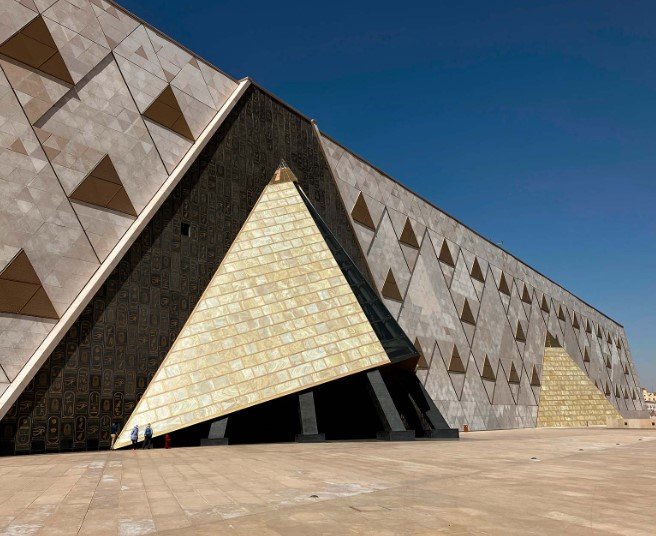
The Grand Egyptian Museum stands as the world’s largest dedicated to one civilization, covering over 490,000 square meters. It houses more than 100,000 artifacts, including the full Tutankhamun collection of 5,398 items, displayed together for the first time.
Visitors will see treasures from predynastic times to the Roman era. Key exhibits include massive statues, gold jewelry, and everyday items that reveal life in ancient Egypt.
- Tutankhamun’s golden mask and throne, symbols of pharaonic power.
- The solar boat of Khufu, a 4,600 year old vessel found near the pyramids.
- Rare papyrus scrolls and mummies that tell stories of daily life and beliefs.
This collection moves from older museums in Cairo, offering modern displays with interactive tech. The setup helps visitors understand Egypt’s 7,000 year history in an engaging way.
Preparations and Logistics
Teams have worked for years to ready the site, with final touches including new roads and parking areas. The museum cost about one billion dollars and took over two decades to build.
Security measures involve coordination with international agencies to ensure safety for all guests. Local authorities have installed screens across Egypt for public viewing, letting citizens join the celebration.
| Preparation Aspect | Details |
|---|---|
| Infrastructure | New traffic routes and access systems for smooth movement |
| Security | Enhanced protocols with global cooperation |
| Broadcasting | Live on TikTok and other platforms for worldwide access |
| Public Engagement | Screens in major cities for local broadcasts |
These steps aim to handle the influx of visitors and media. Officials expect the event to boost Egypt’s economy through increased tourism in the coming years.
Logistics also cover environmental aspects, like sustainable practices in the museum’s design. This includes energy efficient lighting and green spaces around the pyramids.
Historical Significance and Future Impact
The museum opening ties into Egypt’s efforts to reclaim and protect its artifacts from abroad. Recent returns of stolen items add to the excitement, strengthening national pride.
This event follows other cultural milestones, such as the 2023 return of a Nefertiti bust replica for study. It shows Egypt’s commitment to sharing history while guarding its legacy.
On a global scale, the gathering could spark discussions on cultural repatriation. Leaders may use the platform to address how nations preserve shared human heritage.
The museum is set to attract millions of tourists annually, creating jobs and revenue. It positions Egypt as a top destination for history lovers worldwide.
Challenges and Expectations
Regional tensions delayed the opening from earlier plans, but current stability allows the event to proceed. Organizers have contingency plans to manage any issues.
Experts predict this will set a new standard for museum launches, blending tradition with modern tech. It could inspire similar projects in other countries with rich histories.
Public interest has surged, with online buzz building for months. Social media posts show excitement from around the world, eager for the reveals.
The ceremony aims to entertain while educating, mixing spectacle with substance. It promises to be a memorable showcase of Egypt’s enduring legacy.
As Egypt welcomes the world to this historic moment, share your thoughts on what excites you most about the Grand Egyptian Museum. Comment below and spread the word to keep the conversation going.