Here is the latest verified status on which airlines have restarted flights to and from Saudi Arabia as of March 11, 2026 and what travelers need to know right now.
Key Airlines Resuming Flights to Saudi Arabia
The aviation disruption that spread across the Gulf region after rising tensions in late February saw massive cancellations and rerouting of flights. As of mid‑March, numerous carriers are cautiously restoring limited services, connecting major hubs in Saudi Arabia while closely monitoring security and airspace conditions.
Saudia Limited Operations
The national carrier Saudia has partially resumed scheduled commercial flights.
-
Flights between Riyadh and Dubai and Jeddah and Dubai are now operating on a limited basis, including services such as Riyadh‑Dubai and Jeddah‑Dubai sectors.
-
Other international routes, including those to Abu Dhabi, Doha, Kuwait, Amman and Bahrain remain suspended until later dates, reflecting ongoing airspace restrictions.
-
Flights to destinations like Moscow and Peshawar are also paused temporarily due to operational and safety reviews.
What this means: Travelers booked on Saudia should expect reduced schedules and must confirm flight status directly with the airline before departure.
Etihad Airways and Gulf Carriers
Etihad Airways has resumed a limited commercial flight schedule from its hub in Abu Dhabi, operating flights to Riyadh, Medina and Jeddah with approvals from relevant aviation authorities. The services, however, are not daily and can change at short notice due to regional safety conditions.
Similarly, major Gulf carriers like Emirates and flydubai are operating on a reduced schedule with prioritization for confirmed bookings and transit passengers. Emirates is offering limited flights as airspace gradually reopens.
Indian Airlines: Air India, Air India Express, and Akasa
Several Indian airlines have made notable strides in resuming service to Saudi destinations:
-
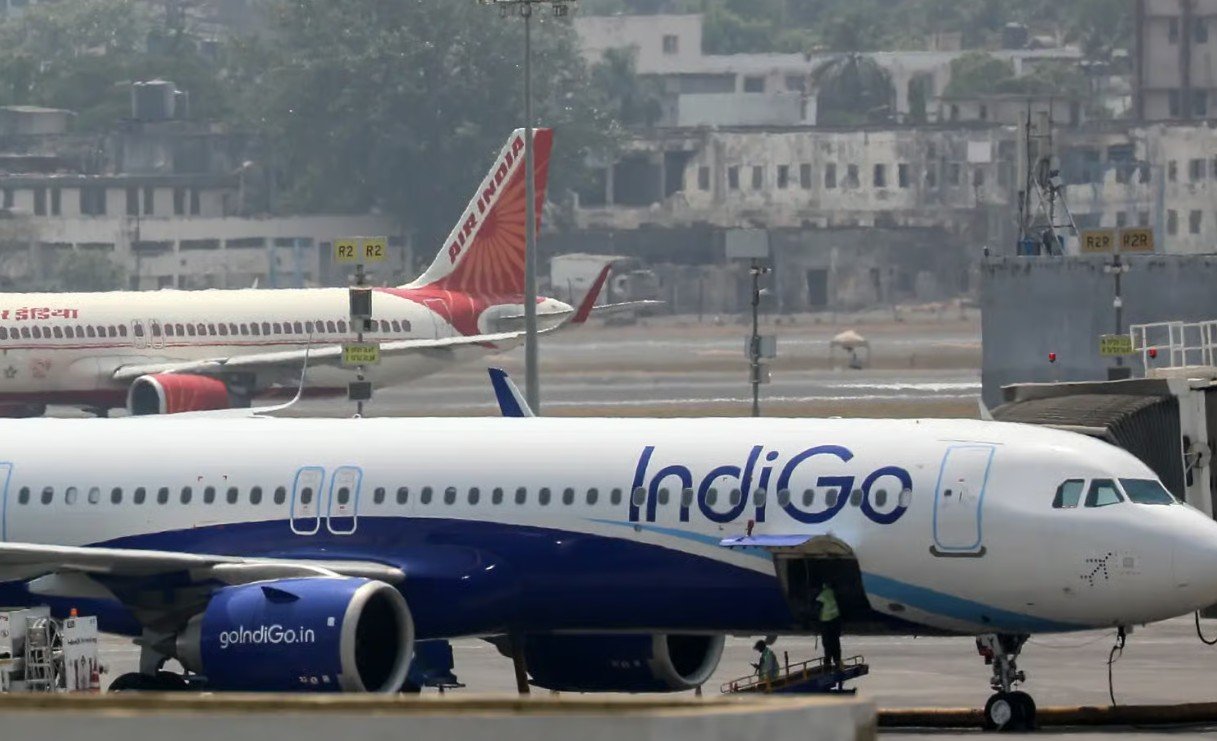
Air India and Air India Express are operating scheduled flights to Jeddah and Muscat with additional non‑scheduled flights to nearby GCC cities like Dubai and Abu Dhabi. These services are helping to reconnect passengers displaced by cancellations.
-
Akasa Air has also announced selected flights between Indian cities and Jeddah, running through March 31, 2026, although services to Riyadh remain paused until at least March 11.
-
These airlines are offering waivers and flexible rebooking options due to the ongoing situation.
Other Carriers and Ongoing Cancellations
While some airlines are resuming limited operations, others continue to suspend or adjust flights:
-
IndiGo continues to restore flights to the region, including flights to Jeddah and Medina, and has restarted services to European destinations as well.
-
European carriers such as British Airways, Lufthansa and KLM have scaled back operations and remain cautious due to airspace risks, with some routes suspended into mid‑March.
-
Middle Eastern carriers like Qatar Airways and Gulf Air are operating either reduced schedules or repatriation flights, but services remain significantly disrupted compared with a normal timetable.
What Travelers Should Know Before Flying
The current situation in Saudi airspace and the wider Middle East remains fluid and unpredictable. Airspace over Saudi Arabia is generally open, unlike in some neighboring countries where closures or partial bans persist. However, flight schedules are continually reviewed and can change at short notice based on safety assessments and regulatory approvals.
Practical Tips for Passengers
-
Check flight status directly with the airline hours before departure to confirm schedules.
-
Be prepared for last‑minute changes, reroutes or cancellations if tensions escalate or new safety advisories are issued.
-
Airlines are offering waivers and flexible policies, including refunds and rebooking without additional fees for affected passengers.
-
Travelers should consult government advisories and official sources before traveling, as some countries are issuing warnings against non‑essential travel to parts of the Middle East.
Why Flights Were Disrupted and What Changed
Flight disruptions were triggered by an escalation in regional tensions involving military operations and missile threats that led to temporary closures and reroutes of airspace above the Gulf region. Major carriers initially cancelled flights or suspended services citing safety concerns. In response, aviation authorities and airlines developed emergency corridors and safety protocols to allow some flights to resume under strict conditions.
As the situation evolves, airlines and airports are working to restore connectivity while prioritizing passenger safety and compliance with aviation guidelines.
Airlines Currently Operating Flights to/from Saudi Arabia
| Airline | Status | Notes |
|---|---|---|
| Saudia | Limited services | Resumed Riyadh/Dubai and Jeddah/Dubai only |
| Etihad Airways | Limited services | Flights to Riyadh, Jeddah, Medina |
| Emirates | Reduced operations | Prioritized confirmed and transit bookings |
| Air India | Active | Scheduled Jeddah flights |
| Air India Express | Active | Scheduled to Saudi and Oman |
| Akasa Air | Select flights | Jeddah only until Mar 31 |
| IndiGo | Gradually restoring | Multiple regional destinations |
The Road Ahead for Saudi Flights
Travel experts say that full restoration of flight schedules across the Middle East could take several more weeks as regional tensions remain a key factor. However, the current partial resumption of services is a positive sign that civil aviation is adapting to the challenges and offering routes for essential and planned travel. Airlines continue to monitor security developments and adjust operations accordingly.
As global air travel slowly stabilizes in the face of geopolitical uncertainty, passengers are advised to stay informed and flexible with travel arrangements.