Beijing turned the spotlight on diplomacy Tuesday as Pakistan and China unveiled a five-point initiative to halt the devastating Middle East war. The joint proposal calls for an immediate ceasefire and urgent peace talks. With the conflict threatening global energy supplies, this effort from two close allies aims to bring warring parties back to the table.
The Five-Point Initiative Takes Shape
Pakistan Foreign Minister Ishaq Dar met Chinese Foreign Minister Wang Yi in Beijing on March 31. The two leaders announced the plan to restore peace and stability in the Gulf and broader Middle East region.
The initiative includes five clear demands. First, both countries call for an immediate cessation of hostilities. They urge all sides to prevent the conflict from spreading further and to allow full humanitarian assistance to reach war-affected areas.
Second, the plan pushes for peace talks to begin as soon as possible. It stresses respect for the sovereignty, territorial integrity, national independence and security of Iran and Gulf states. Dialogue and diplomacy remain the only path forward, with all parties agreeing to avoid the use or threat of force during negotiations.
Third, the proposal demands protection of non-military targets. Both nations call on warring parties to stop attacks on civilians and critical infrastructure. This includes energy facilities, desalination plants, power systems and peaceful nuclear sites. Full adherence to international humanitarian law is essential.
Focus on Shipping Routes and Global Stability
Fourth, the initiative highlights the security of shipping lanes. The Strait of Hormuz serves as a vital global route for energy and goods. China and Pakistan demand protection for ships and crews currently in the area. They want safe passage for civilian and commercial vessels restored quickly to ease pressure on world markets.
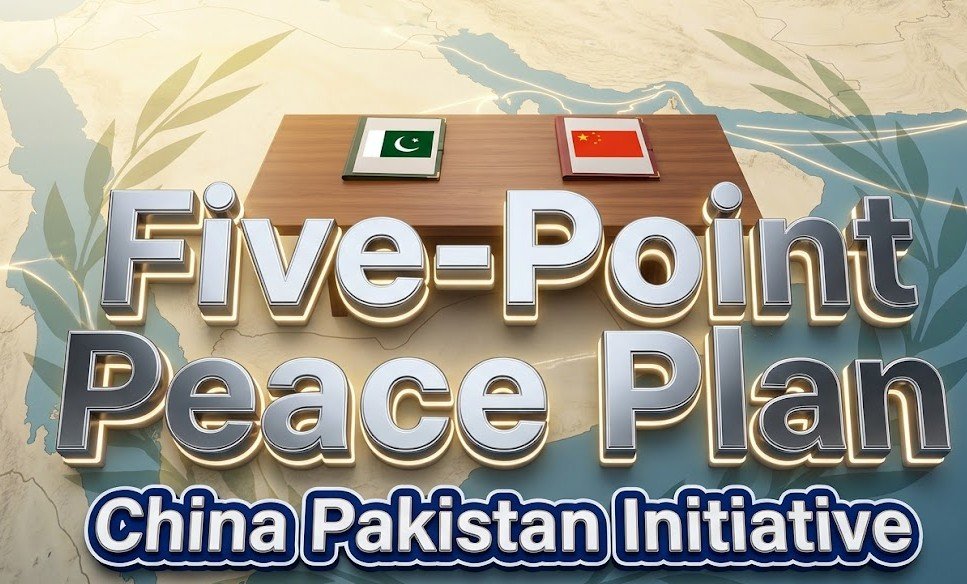
Fifth, the plan emphasizes the primacy of the United Nations Charter. The two countries advocate for true multilateralism and support for a comprehensive peace framework based on international law.
Pakistan Plays Central Mediation Role
Pakistan has positioned itself as an active messenger between the United States and Iran in recent weeks. Ishaq Dar has helped relay communications amid the fighting that erupted earlier this year.
This Beijing visit builds on those efforts. Pakistan maintains strong ties with both China through their long-standing strategic partnership and with Gulf nations. Its 900-kilometer border with Iran adds urgency to preventing spillover that could affect its own security and economy.
Observers note Pakistan sees this as a chance to demonstrate diplomatic influence. Prime Minister Shehbaz Sharif and military leadership have engaged directly with leaders in Washington, Tehran and regional capitals.
China Brings Economic Weight to Peace Push
China holds major stakes in regional stability. As the largest buyer of Iranian oil, Beijing wants the Strait of Hormuz open for reliable energy flows. Disruptions have already driven up global oil prices significantly.
The partnership with Pakistan also aligns with broader goals. Both nations share deep cooperation on infrastructure projects. Their joint statement reflects a commitment to multilateral solutions rather than unilateral actions.
The timing matters. The war has created serious economic ripples worldwide. Oil prices surged past 120 dollars per barrel at points, affecting everything from fuel costs to inflation pressures across continents.
War Brings Heavy Human and Financial Costs
The conflict has exacted a heavy toll since it intensified in late February. Strikes have hit military and civilian areas alike. Families have lost homes. Supply chains for food and medicine face disruption in affected zones.
Economically, the blockade elements around key waterways have strained global trade. Energy-dependent nations worry about prolonged shortages. Businesses face higher costs that eventually reach ordinary consumers at gas pumps and grocery stores.
Bold Step Toward De-escalation
This five-point plan stands out because it comes from two nations not directly involved in the fighting yet deeply connected to the region. It offers a structured framework that addresses immediate humanitarian needs, practical security concerns and longer-term diplomatic processes.
Success will depend on how key players respond. The United States, Iran and other regional powers hold the ultimate power to implement or ignore these ideas. Yet the proposal adds important voices calling for restraint at a dangerous moment.
The world watches closely as these diplomatic efforts unfold. Families caught in the conflict deserve relief from violence. Global economies need stability to protect jobs and living standards everywhere.