
Malaysia has successfully evacuated a first group of its citizens stranded in the escalating Middle East conflict, a dramatic moment for families anxiously watching events unfold thousands of miles away. The specially chartered flight repatriated some of the most vulnerable Malaysians and their loved ones, bringing them one step closer to safety after days of uncertainty and fear.
This first major evacuation shows how quickly the situation in the region has turned urgent and how the Malaysian government’s response is evolving to protect its people. Read on to learn how the operation unfolded, who is being brought home, and why this matters to Malaysians everywhere.
Government Orders Urgent Evacuation for Malaysians
The government of Malaysia launched a coordinated evacuation operation for its citizens trapped in parts of the Middle East following a sharp escalation in regional violence between the United States, Israel, and Iran. This action came after months of rising tensions and sudden attacks that disrupted air travel and heightened security risks across the region.
At the center of the effort is a specially chartered Malaysia Airlines flight that departed Kuala Lumpur International Airport late on March 10 and touched down in Jeddah, Saudi Arabia, the same evening. From there, Malaysians who had been stranded across conflict‑affected areas were gathered and transported aboard the flight, which is expected to land back in Kuala Lumpur later today (March 11).
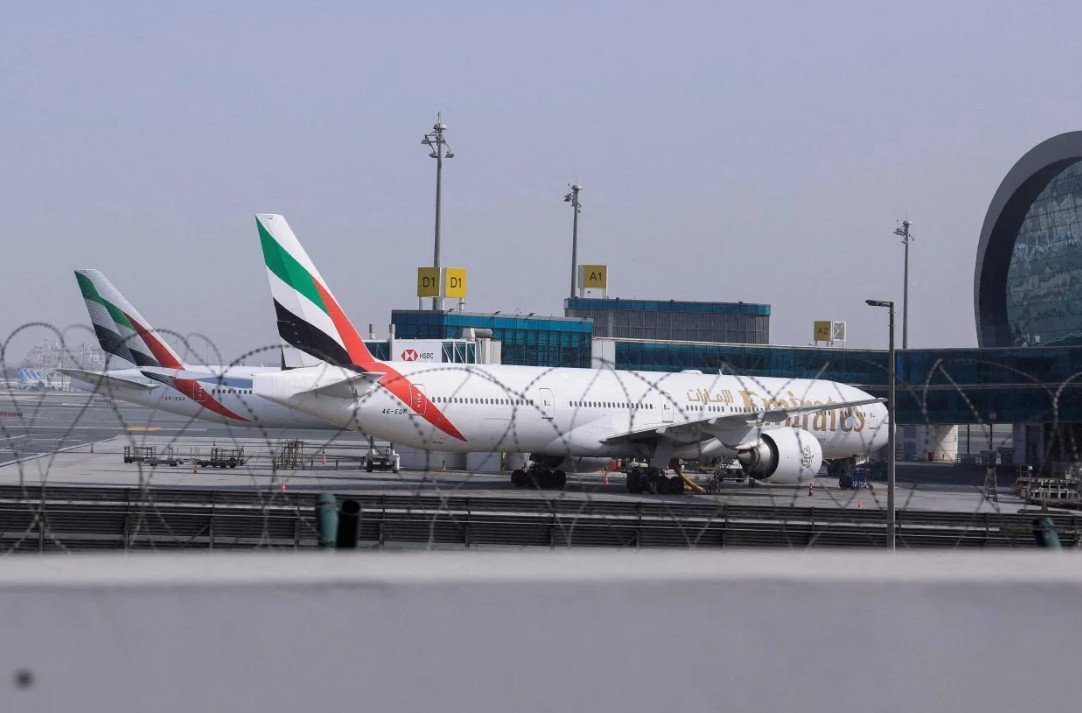
Prime Minister Datuk Seri Anwar Ibrahim personally ordered the operation, stressing that the safety and welfare of Malaysians abroad was a top priority for his administration. The National Security Council is leading the operation alongside the Ministry of Foreign Affairs and Malaysian diplomatic missions in the affected countries.
First Group of Malaysians Safely En Route Home
The first major evacuation mission brought home 164 Malaysian citizens and their family members, including five Thai relatives and one Indonesian citizen, from conflict zones across West Asia. These evacuees were gathered in four countries: Saudi Arabia (Jeddah), Syria, Jordan, and Qatar (Doha) before boarding the flight back.
Officials involved in the operation confirmed that all evacuees registered voluntarily for repatriation through the Ministry’s online system. Most are in stable health and spirits, though a small number are receiving additional medical attention.
This successful mission marks a crucial milestone in what Malaysian authorities describe as an ongoing effort to assist citizens returning home safely. It also brings relief to the families who have spent days without clear information on when their loved ones might be able to return.
More Malaysians Still Stranded Despite Rising Evacuations
Despite this milestone evacuation, a significant number of Malaysians remain in the region, many facing uncertainty as the conflict continues to disrupt flights, close airspace, and heighten risks. Just days ago, authorities reported that around 641 Malaysians were still believed to be stranded in several Middle Eastern countries, including Saudi Arabia, the United Arab Emirates, Jordan, and Oman.
The majority of these Malaysians include independent travellers, students, and pilgrims who were visiting for umrah or other religious activities when tensions flared. Some have been relocated overland to regional hubs such as Riyadh and Jeddah, while others continue to await evacuation or commercial flight options for their return.
Malaysian diplomatic missions have been actively assisting with logistics on the ground. In Doha, for example, the Malaysian Embassy organized bus transfers to Jeddah to bring stranded citizens to safer locations and facilitate their boarding on evacuation flights.
Why This Evacuation Matters to Malaysians at Home
The evacuation of citizens from conflict zones far from Malaysia’s shores has struck a chord across the nation. Many families and communities have been glued to updates as they followed the movements of loved ones through diplomatic channels, social media, and government statements.
For the evacuees themselves, this mission represents more than just a flight home. It symbolizes hope after days of anxiety amid disrupted travel schedules, sudden airspace closures, and the fear of becoming caught in violence not of their choosing.
For Malaysians watching at home, it highlights how global events can have direct and emotional impacts on ordinary lives. The evacuation also serves as a reminder of the importance of registering travel plans with official systems like the e‑Konsular portal, which authorities used to organize the repatriation list.
How the Conflict Escalated and What Comes Next
The trigger for this evacuation was an escalation of hostilities starting on February 28, when the United States and Israel launched strikes against Iran. Tehran responded with retaliatory missile and drone attacks targeting US interests and military bases across the Gulf and neighboring countries. This rapidly intensified security concerns and destabilized air travel in the region.
These events prompted many governments around the world, not just Malaysia, to consider repatriation flights for their citizens. Airlines have faced grounding of flights, cancellations, and restricted airspace that made traditional commercial travel routes unsafe or unavailable.
Malaysia’s full evacuation plan remains in motion. The government continues monitoring the situation closely and updating its strategy, with more flights possibly on the way for those still stranded. Malaysians in the affected region are urged to stay in contact with their nearest diplomatic missions and update their registration details if they have not already done so.
The emotional weight of this conflict and its direct effects on Malaysians cannot be overstated. As more return home, families and communities here in Malaysia are reminded of both the fragility and interconnectedness of our global world.
