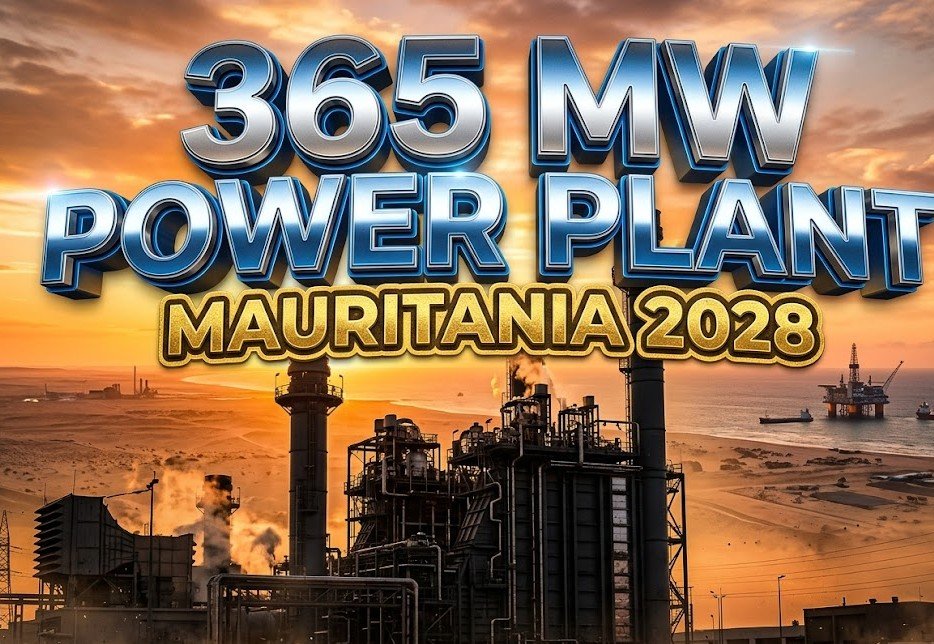
Egyptian firms have signed a major agreement to build a 365 megawatt power plant in Mauritania. The project will use local natural gas to generate reliable electricity for the country. First power is expected by the end of 2028.
Egyptian Partners Join Forces on Major Project
Cairo based Madkour Holding Group and Egyptian UAE firm GoGas Holding signed a joint development agreement. They plan to create a combined cycle gas power plant in Nouakchott. This marks an important step in energy cooperation between Egypt and Mauritania.
GoGas will lead development while drawing on its gas expertise. Madkour brings strong skills in engineering and construction. Their combined strengths aim to deliver a high quality project on time.
This partnership shows how Egyptian companies are expanding their reach across Africa.
Dr Mostafa Madkour from Madkour Holding said the deal reflects commitment to African governments. He noted they want to build more than just infrastructure. The goal includes creating a strong base for industrial and social growth.
Tarek El Molla chairs GoGas Holding. The former Egyptian petroleum minister called the project a vital bridge for regional energy ties. He stressed turning Mauritania resources into power for local people and neighbors.
Local Gas Will Drive the New Facility
The plant will run on gas from the Banda Tevet field. This offshore site sits 55 kilometers from Nouakchott in southwestern Mauritania. GoGas is developing the field right now.
Phase one targets 200 megawatts by late 2028. Full capacity will reach 365 megawatts later. It becomes the first project of its kind in the country to use domestic gas for large scale power.
Combined cycle technology makes the plant efficient. It captures waste heat to produce extra electricity. This approach lowers fuel use and cuts costs over time.
Here are the key project facts:
- Location: Nouakchott, Mauritania capital
- Initial output: 200 MW by end of 2028
- Total capacity: 365 MW after expansion
- Fuel: Gas from Banda Tevet offshore field
- Focus: Supply electricity to domestic market
The field was discovered years ago but development stalled. GoGas revived efforts with local partners. Success here could unlock more gas resources for the nation.
Mauritania Seeks to Fix Power Shortages
Many Mauritanians still lack steady electricity. National access stands around 50 percent. Urban areas do better but rural communities often have very low rates.
Diesel generators fill much of the gap today. They prove expensive and unreliable during peak demand. Frequent outages hurt homes, schools and businesses.
Mining forms a big part of the economy. Reliable power would help these operations run smoother and grow. Households could also enjoy better living standards with consistent lights and appliances.
This new plant offers real hope for change.
Construction will create jobs for local workers. Operation phase will need skilled staff too. The project supports Mauritania shift toward using its own resources instead of imports.
Madkour Holding brings experience from many power and infrastructure jobs. The firm has completed hundreds of projects across Egypt and beyond. Their track record gives confidence for on time delivery.
Project to Aid West African Energy Links
Mauritania wants a stronger role in the West African Power Pool. This group connects electricity systems across many nations in the region. Better local generation helps with power trading.
The plant will feed the national grid first. Extra capacity could later support exports to neighbors. This fits wider goals for energy cooperation under ECOWAS.
GoGas focuses on oil, gas and power projects in Africa and the Mediterranean. The firm sees Mauritania as a promising market. Their upstream gas work pairs perfectly with downstream power needs.
Experts see gas as a bridge fuel here. It provides reliable baseload while renewables like solar expand. The country holds strong potential in both areas.
Looking Ahead to Brighter Days
Challenges remain ahead. Financing, construction timelines and grid upgrades need careful handling. Yet the joint development agreement sets a clear path forward.
Success could attract more investment to Mauritania energy sector. It proves the country offers opportunities for serious players. Local gas use also reduces dependence on volatile fuel prices.
For ordinary citizens this means more than numbers. Families might keep food fresh longer. Students could study after dark without worry. Businesses might expand with stable power.
Egypt brings proven energy know how to the table. Mauritania offers resources and growing demand. Together they create a practical model for African development.
The project highlights practical cooperation. It moves beyond talk to actual bricks, steel and power lines. Results will show in coming years as electricity flows.
This deal arrives at the right moment. Mauritania pushes hard to improve energy access for all. Egyptian expertise provides valuable support on that journey.
As lights start to shine brighter across Nouakchott and beyond, the real winners will be Mauritanian families and communities. Their daily lives stand to improve in meaningful ways through steady power supply.