
Egypt has rolled out tough new steps to cut electricity use across the country after global oil prices jumped above 115 dollars a barrel. The government is now dimming street lights, tightening energy rules and warning traders against profiteering. Officials say these moves are urgent to protect energy security and keep power running for homes and factories. Ahead in this article we explore what’s happening, why it matters and how it affects ordinary Egyptians and the nation’s economy.
Government Orders Cuts in Street and Public Lighting
Egypt’s Cabinet has instructed authorities to cut electricity use in public spaces, especially street lighting and major roads, as part of a broader effort to reduce fuel consumption. According to a government statement, this step aims to limit the use of imported energy sources and secure the national electricity grid.
-
Street lighting reduction: Lights on major roads and public areas are being dimmed during off peak hours to save fuel.
-
Priority for homes and factories: Officials emphasize that these cuts will not affect homes and essential production facilities, which will continue to receive uninterrupted power.
Cabinet spokesman Mohamed El Homsany said that rationalising electricity use is a necessary response to the global energy situation. He noted that many countries are also implementing similar steps to strengthen energy resilience amid rising oil and gas costs.
The drive to limit consumption also includes increasing inspections against electricity theft, which the government says undermines the efficiency of the power grid. Penalties for theft are expected to be raised as part of the crackdown.
Prime Minister Warns Against Price Gouging by Merchants
Prime Minister Mostafa Madbouly has issued stern warnings to traders and merchants who might try to exploit the crisis by raising prices unjustifiably. He said that anyone found inflating prices to make a profit will be brought before military courts, especially given what officials describe as wartime price pressure.
This move reflects deep government concern over inflation and the impact of higher energy costs on daily life. Ministers argue that stopping monopolistic practices and ensuring fair pricing are crucial to protecting citizens during economic stress.
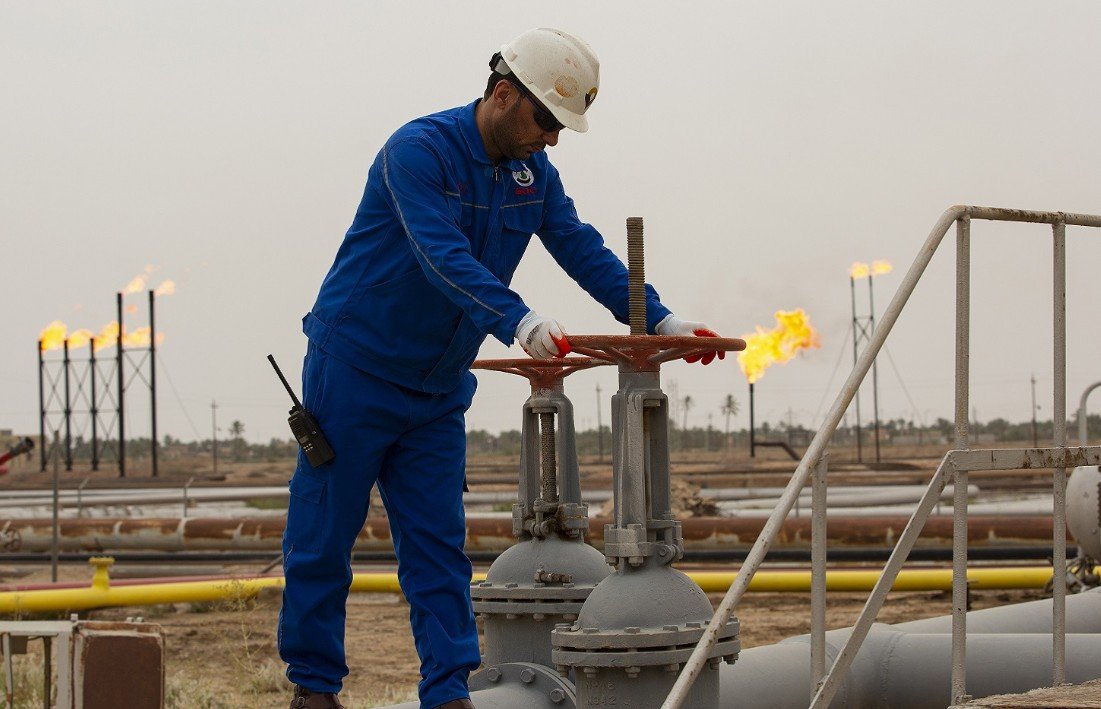
Economic ministers also met separately with the central bank governor to review measures to protect the economy from the shock of rising global energy prices, reinforcing the government’s message that it is prepared to act to ensure stability.
Fuel Price Rises Add Pressure on Households
In addition to cutting electricity use, Egypt’s Ministry of Petroleum has increased the price of fuel by 3 Egyptian pounds per liter for gasoline and diesel. This comes into effect as global markets grapple with supply disruptions and heightened risks tied to regional conflicts.
Under the new fuel pricing:
-
Gasoline 95 rises from EGP 21 to EGP 24 per liter.
-
Diesel moves from EGP 17.5 to EGP 20.5 per liter.
-
Prices for LPG cylinders also increased significantly.
The ministry said the fuel price rise is a response to “exceptional conditions” in global energy markets, including shipping disruptions and higher production costs. It also stated that it will continue efforts to boost domestic energy output while closely monitoring market trends.
These fuel price hikes add financial pressure on households and transport sectors, which already face the ripple effects of a weaker Egyptian pound and rising living costs.
Broader Economic Measures and Regional Tensions
Egypt’s move to cut energy use and raise fuel prices comes amid broader government efforts to tighten public spending. The Cabinet’s crisis committee has approved measures that include cancelling government events, reducing official travel, and cutting back training courses. These steps are part of a package designed to reduce overall expenditure and protect economic stability.
Analysts point out that regional tensions involving the Middle East and disruptions in oil markets have contributed to the instability in global energy prices. Egypt, which imports a significant amount of its energy, is feeling these pressures acutely.
The government is also encouraging a shift toward fuel alternatives such as compressed natural gas and electric vehicles, and promoting mass transit use to reduce reliance on imported petroleum products.
Efforts to secure energy supplies also include plans to expand renewable energy capacity, with government statements outlining additions to the national grid in the coming months. These longer term strategies aim to reduce dependence on fossil fuels and strengthen resilience against future price shocks.
Impact on Ordinary Egyptians and the Road Ahead
For many Egyptians, these changes mean adjustments in daily life. Fewer lights on roads at night, higher fuel costs, and stricter market controls are tangible signs of how global energy forces can shape local experiences. Workers, transport drivers, and small business owners are likely to feel these impacts most directly in the coming weeks.
Economists note that while short term pain is possible, strategic energy reforms could help stabilise the economy and reduce long-term vulnerability to global market volatility. However, balancing cuts, pricing changes, and public sentiment will be a significant challenge for the government.
Egypt is navigating a difficult moment where global forces and domestic needs meet. The government’s latest energy and economic measures aim to protect citizens and industry but require careful execution to maintain trust and stability.
