Saudi Arabia is quickly turning into a top global tourism spot, driven by its Vision 2030 plan. In early 2026, the kingdom reports massive growth in visitors, jobs, and investments, with new rules and projects pulling in travelers from around the world.
This shift aims to cut reliance on oil and build a diverse economy. Officials say tourism could make up 10 percent of the nation’s GDP by 2030, creating millions of jobs and boosting local spending.
Vision 2030 Fuels Rapid Tourism Growth
Vision 2030 launched in 2016 to change Saudi Arabia’s economy. It focuses on tourism as a key area to draw international visitors and create new income sources.
The plan includes big projects like NEOM, a futuristic city, and the Red Sea development, which offers luxury resorts and eco-friendly spots. These efforts have already shown results, with tourism spending jumping in recent years.
Government steps, such as easier visa rules and global marketing, have helped. For example, the kingdom now hosts major events like sports tournaments and cultural festivals to attract crowds.
In 2025, these moves led to a surge in tourist numbers, beating earlier goals. Experts predict even stronger growth in 2026 as more facilities open.
Record Visitor Numbers and Spending Trends
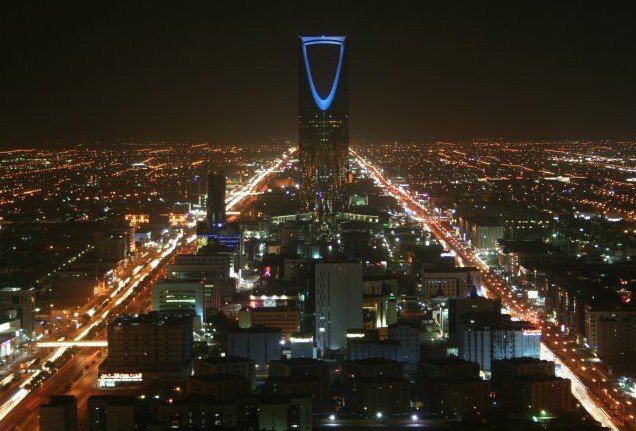
Saudi Arabia welcomed over 115 million visitors in 2024, exceeding its initial Vision 2030 target ahead of time. This sets the stage for reaching 150 million by 2030.
Summer 2025 saw 32 million tourists, a 26 percent rise from the year before. Spending during that period hit about 14 billion dollars, up 15 percent.
The first quarter of 2025 showed the highest global growth in international tourism spending for the kingdom. Outbound travel also grew, with locals spending 27.5 billion dollars abroad.
These figures come from strong seasonal programs like Saudi Summer, which highlight beaches, mountains, and cities. The trend continues into 2026 with new digital tools for visitors.
- Key visitor hotspots include Riyadh for its modern vibe and events.
- Jeddah offers coastal fun and historic sites.
- AlUla draws adventure seekers with ancient ruins and nature trails.
Officials note that family trips and leisure travel make up most visits, followed by business and religious tourism.
Massive Investments in Hospitality and Infrastructure
The kingdom plans to pour 800 billion dollars into tourism over the next decade. This cash goes toward hotels, airports, and transport links.
In 2025, licensed hotels and resorts grew by 89 percent, adding thousands of rooms. The 2026 budget boosts funding for airports and hospitality, aiming to handle more flights and guests.
New rules for Red Sea beaches, starting January 1, 2026, focus on safety, eco-protection, and better facilities. A digital guide helps tourists and investors find info easily.
These changes support giga-projects that mix luxury with sustainability. For instance, upgrades in transportation make remote areas easier to reach.
| Investment Area | Amount (in billions USD) | Expected Impact by 2030 |
|---|---|---|
| Hospitality | 200 | 200,000 new rooms |
| Infrastructure | 300 | Improved airports and roads |
| Cultural Projects | 150 | More events and sites |
| Eco-Tourism | 150 | Sustainable attractions |
This table shows how funds are split to build a strong tourism base. Leaders say these investments will create lasting growth.
Partnerships with global firms bring in expertise and speed up development. As a result, Saudi Arabia ranks high in tourism recovery after the pandemic.
Key Projects Shaping the Tourism Landscape
Giga-projects stand out in Vision 2030. NEOM promises smart cities and adventure zones, while Qiddiya focuses on entertainment with theme parks and sports venues.
The Red Sea project turns islands into high-end resorts, protecting marine life. Diriyah Gate revives historic areas into cultural hubs with luxury stays.
These sites aim to attract 25 million visitors yearly each. They blend tradition with modern fun, appealing to diverse crowds.
In 2026, new platforms like Saudi Gram connect tourists to events and services. This tech push makes planning trips simpler and more engaging.
Recent events, such as hosting global conferences, highlight the kingdom’s role as an events powerhouse. More are planned, tying into tourism goals.
Economic Boost and Job Creation
Tourism now supports over 1 million jobs in Saudi Arabia, up sharply in 2025. The sector is expected to add 1.6 million more by 2030.
In 2025, it contributed over 119 billion dollars to the economy, backing 2.7 million roles overall. This helps young people and women enter the workforce.
Local businesses gain from higher spending on food, shopping, and tours. Regions outside big cities see new opportunities, spreading wealth.
The push also aids other sectors like retail and transport. Experts forecast tourism will hit 10 percent of GDP, reducing oil dependence.
Challenges and Future Outlook
While growth is strong, issues like sustainability and overcrowding need attention. The kingdom works on green practices to protect sites.
Global events, such as economic shifts, could affect travel. Yet, officials remain positive, with plans to host more international gatherings in 2026.
Looking ahead, Saudi Arabia aims to lead in Middle East tourism. Partnerships and innovation will keep the momentum going.
Share your thoughts on Saudi Arabia’s tourism rise in the comments below. What spots would you visit first? Spread the word by sharing this article with friends planning trips.