
Tourists arriving in Cairo face a growing wave of taxi scams that turn dream vacations into costly nightmares. From airport ambushes to clever cash switches, these tricks exploit travelers’ fatigue and unfamiliarity, with reports surging in 2025 as visitor numbers climb amid Egypt’s tourism boom.
Common Taxi Tricks at Cairo Airport
Travelers stepping off planes at Cairo International Airport often encounter aggressive drivers right away. These unofficial operators swarm arrivals, offering rides at prices far above standard rates. Many pose as hotel representatives or wear fake badges to seem trustworthy.
In recent months, complaints have spiked on social media and travel forums. Drivers quote fares in the range of 500 to 1000 Egyptian pounds for short trips that should cost around 200 pounds. One common tactic involves claiming the meter is broken, leading to heated arguments at the destination.
This year, airport authorities have stepped up patrols, but scams persist due to the unregulated nature of many taxis. Visitors from Europe and North America report feeling overwhelmed, especially after long flights.
The Sneaky Money Switch Scheme
A classic yet effective scam involves drivers swapping banknotes during payment. You hand over a 100 Egyptian pound note, but the driver quickly replaces it with a 10 pound one and accuses you of shortchanging them.
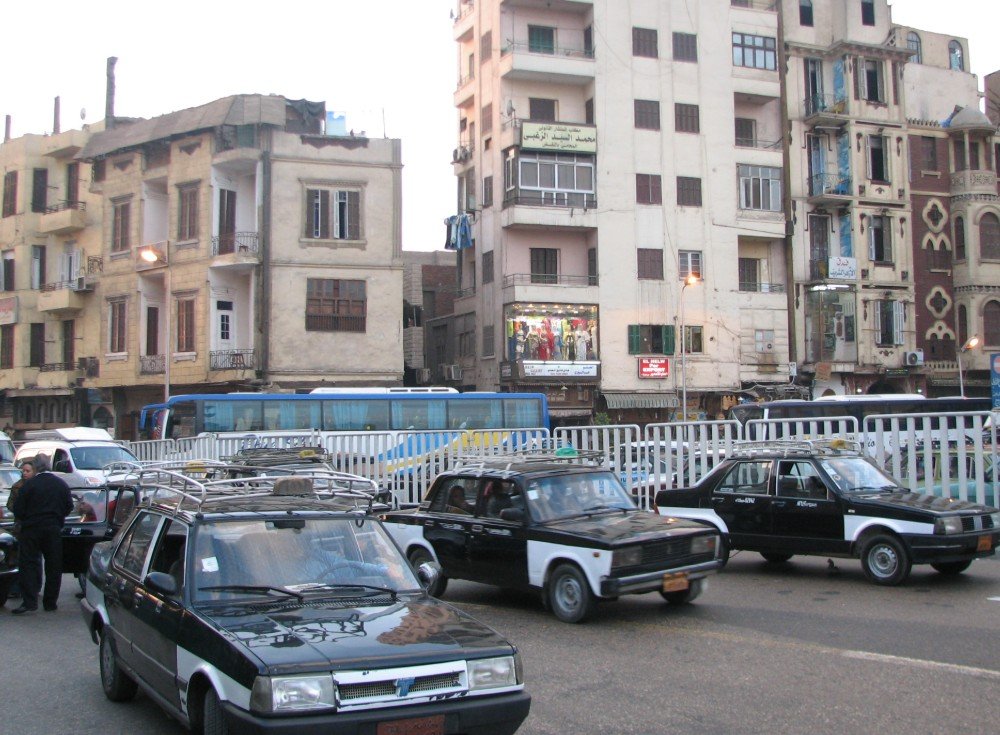
This sleight of hand relies on speed and distraction. Scammers often act during busy moments, like when you’re unloading luggage. Reports from 2025 show this happening frequently near tourist spots like the Pyramids.
Victims describe drivers turning aggressive, sometimes pretending their vehicle breaks down to force payment. Local police have noted an uptick in such incidents, linking them to economic pressures on drivers.
To spot this, always pay with exact change and watch the transaction closely. Travel experts recommend using smaller bills to minimize risks.
One traveler shared how a driver claimed a note was fake after the switch, demanding more money on the spot.
Uber and Ride-Hailing Traps in Cairo
Ride-sharing apps like Uber promise convenience, but in Cairo, drivers often accept rides only to demand cash payments later. They cite app glitches or low balances as excuses, then charge double the quoted fare.
This scam has exploded in 2025, with users reporting drivers canceling rides mid-trip unless paid in cash. Forums highlight cases where drivers harass passengers over the phone to force cancellations, pocketing fees without service.
Data from app reviews shows over 300 complaints in the last quarter alone. The unregulated market worsens this, as Uber’s presence remains spotty compared to other cities.
- App Cancellation Ploy: Driver accepts ride but never shows, hoping you cancel for a fee.
- Cash Demand Excuse: Claims card payment failed, insists on immediate cash at inflated rates.
- Harassment Calls: Repeated calls pressuring you to pay extra or cancel.
Avoiding this means sticking to official app payments and reporting issues promptly.
Other Widespread Scams Targeting Visitors
Beyond airports and apps, scams appear in various forms around Cairo’s landmarks. Drivers might take long detours to inflate fares or claim traffic justifies extra charges.
At popular sites like the Sphinx, touts team up with drivers to steer tourists into overpriced tours. Recent events include a group of European travelers losing hundreds in a single ride due to a fake toll scam.
Economic factors, such as rising fuel costs in 2025, drive some of these behaviors. Yet, not all drivers are scammers; many provide honest service.
| Scam Type | Description | Typical Cost Impact |
|---|---|---|
| Detour Fraud | Driver takes unnecessary long routes | Adds 50-200% to fare |
| Fake Toll | Claims extra fees for nonexistent tolls | 100-300 Egyptian pounds extra |
| Tour Bundle | Forces unwanted stops at shops | Can double trip cost |
These tactics prey on tourists’ lack of local knowledge.
How to Stay Safe and Avoid Losses
Preparation is key to dodging these scams. Research standard fares before arrival; a trip from the airport to central Cairo should cost about 150-250 Egyptian pounds.
Use official airport taxis or pre-booked transfers from reputable companies. Apps like Careem sometimes work better than Uber in Egypt, with stronger local enforcement.
Carry small change and insist on metered rides. If something feels off, note the license plate and report to authorities.
Travelers in 2025 benefit from new apps that track rides in real time. Joining online communities for Egypt travel shares real-time tips.
Finally, trust your instincts; if a deal seems too good or pushy, walk away.
Impact on Cairo’s Tourism Boom
These scams threaten Egypt’s recovering tourism sector, which saw over 15 million visitors in 2024, with projections for 18 million in 2025. Negative experiences spread quickly online, deterring potential travelers.
Government efforts include stricter licensing and awareness campaigns at airports. Recent crackdowns arrested several repeat offenders, but enforcement remains inconsistent.
Experts argue for better regulation, like mandatory meters in all taxis. Until then, informed tourists can help by sharing stories and pushing for change.
What are your experiences with taxi scams in Cairo? Share in the comments below and spread the word to help fellow travelers stay safe.
