
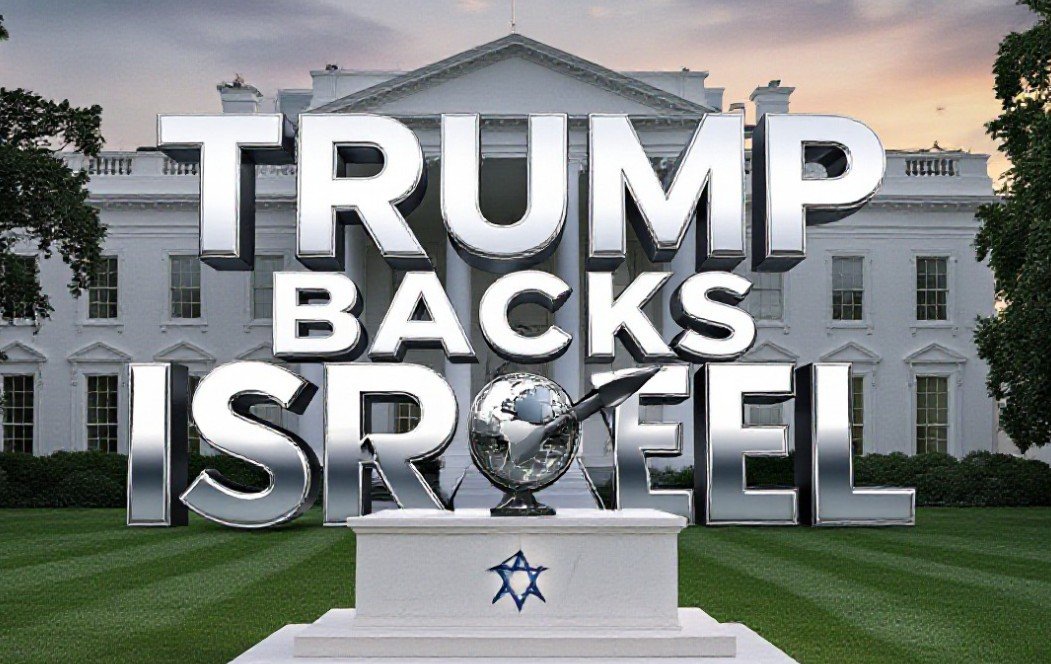
U.S. President Donald Trump has reportedly told Israeli Prime Minister Benjamin Netanyahu that he would back Israeli military strikes on Iran’s ballistic missile program if nuclear negotiations between Washington and Tehran fail to produce a deal. This extraordinary development comes as the United States and Iran prepare for a second round of talks in Geneva, and amid rising tensions across the Middle East that could redraw security alliances and impact global peace efforts.
Top Diplomatic Meeting Sparks Major Strategy Shift
In a private meeting at Trump’s Mar‑a‑Lago estate in December 2025, Trump told Netanyahu the U.S. would support Israeli military action against Iran’s missile infrastructure if diplomatic efforts collapse. This striking assurance was reported by CBS News, citing sources familiar with the discussions.
According to the report, Washington and Israeli officials have started talking not just about whether a strike might occur, but how the U.S. might aid such an operation. Plans under review include providing mid‑air refueling support for Israeli jets and working to secure permission from other countries to allow Israeli aircraft to fly over their airspace.
Yet, several key Middle Eastern states, including Jordan, Saudi Arabia and the United Arab Emirates, have outright refused to allow their airspace to be used for any military action against Iran, underscoring how complex and sensitive such a campaign would be.
Diplomatic Talks Resume Amid Mounting Pressure
All of this comes as Iranian Foreign Minister Abbas Araghchi travels to Geneva for a second round of indirect nuclear talks with U.S. representatives, mediated through Oman. Both sides have reaffirmed the importance of diplomacy even as the window for a political solution narrows.
Trump’s administration, including U.S. Secretary of State Marco Rubio, has publicly stated a preference for resolving tensions through negotiation and not conflict. Rubio stressed that Washington continues to pursue diplomatic solutions as envoys head to Switzerland this week.
Still, doubts remain. Iran has insisted that any deal must respect its rights under the Nuclear Non‑Proliferation Treaty and has repeatedly pushed back on demands to stop enrichment altogether. Meanwhile, Netanyahu wants any agreement to include not only nuclear limitations but also a curtailing of Iran’s ballistic missile program and its support for regional proxies like Hezbollah.
Why Support for an Israeli Strike Matters
This reported offer of U.S. backing represents one of the boldest shifts in U.S. regional policy in years. It signals Washington may be willing to become a secondary supporter of military action instead of remaining strictly neutral or exclusively diplomatic. This shift is significant for several reasons:
-
Strengthens U.S.–Israel military cooperation in potential future conflicts.
-
Sends a strategic message to Tehran that failed talks could lead to military consequences.
-
Complicates relationships with regional partners that oppose military action and seek less confrontation.
Political analysts say this shift could influence whether Tehran engages seriously in negotiations or doubles down on its positions. If Iran believes the United States might support military intervention, Tehran could become more rigid, slowing or derailing the talks.
Regional Dynamics Are Already Strained
Israel and Iran fought a brief but intense twelve‑day conflict in June 2025, marked by Israeli strikes on Iranian nuclear sites and retaliatory Iranian missile launches. That clash significantly escalated tensions across the Middle East and brought the risk of broader regional war closer than at any time in recent memory.
In the aftermath, Washington boosted its military presence in the Gulf, deploying aircraft carriers and other forces as a precaution and a deterrent. These moves reflect shared U.S. and Israeli concerns about Iran’s nuclear ambitions and ballistic missile capacity.
Meanwhile, Gulf states and other regional actors have stepped up diplomatic efforts to prevent escalation. Countries like Saudi Arabia and Qatar have engaged in backchannel discussions, hoping to de‑escalate tensions and avoid an open conflict that could affect global oil markets and economic stability.
What Trump and Netanyahu Want
The reported conversation between Trump and Netanyahu reveals different priorities within the alliance. Netanyahu continues to call for total dismantling of Iran’s nuclear infrastructure and removal of enriched uranium if negotiations are to succeed. This stance goes beyond many international negotiators’ proposals, which often focus on monitoring and limitation rather than complete elimination.
Trump, for his part, has emphasized the importance of continued talks but has also publicly warned that failure could have severe consequences for Iran. In recent public comments, the U.S. president urged Tehran to agree to a deal or face what he described as very traumatic outcomes.
How This Could Impact Peace Efforts
If the U.S. genuinely positions itself as a supporter of potential military action, it could undermine diplomatic negotiations by strengthening hardline voices on all sides. Diplomats worry that:
-
Iran may abandon talks altogether, believing diplomacy is no longer credible.
-
Regional alliances could fracture, as countries like Jordan and the UAE make clear they will not support military strikes.
-
Global stability could be threatened, potentially leading to broader confrontations involving Russia, China, or NATO states.
Experts say that for peace to have any chance, negotiations must balance pressure with incentives that Tehran deems respectable. Isolating Iran diplomatically tells one story. Threatening or preparing for military action tells another, riskier narrative.
What Happens Next
The world will be watching closely as Geneva talks resume. If negotiators reach a breakthrough, it could defuse the most explosive tensions of recent years. If they fail, the path set out in the December meeting could become a grim reality.
