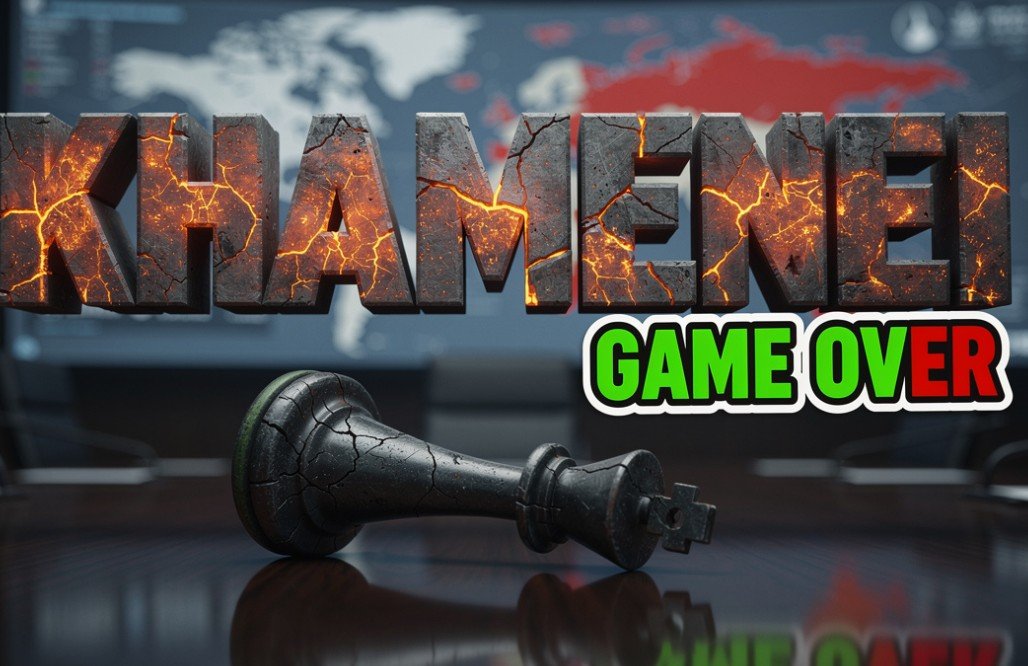
A prominent source within the Saudi royal family has reportedly informed Israeli news outlet N12 that limited military strikes are no longer sufficient to resolve the Iranian crisis. The source insisted that a fundamental regime change in Tehran, specifically targeting Supreme Leader Ayatollah Ali Khamenei, is now the only viable solution for regional stability.
This stark admission marks a significant escalation in rhetoric. It suggests that behind closed doors, key regional players are losing faith in diplomatic containment or superficial military deterrents.
The Call for Total Leadership Change
The comments provided to N12 News reveal a deep frustration with the current approach to the Islamic Republic. According to the report, the Saudi source stated that the regime’s leadership “must be eliminated one by one.” This language indicates a shift away from containment strategies that have defined Middle Eastern geopolitics for decades.
“The only solution is to change the regime in Iran in one way or another,” the source emphasized.
This perspective challenges the effectiveness of targeted airstrikes on nuclear facilities or proxy groups. Instead, it points to the head of the snake. The source argued that as long as the current ideological leadership remains in power, the threat will persist regardless of military setbacks.
The timing of these comments is crucial. They come amidst heightened tensions where diplomatic channels have seemingly failed to curb Tehran’s nuclear ambitions and regional aggression. The suggestion is that a systematic removal of the top tier leadership is a prerequisite for any real change.
Vision for a Post-Regime Government
The Saudi source did not just call for destruction. They offered a specific vision for what should replace the current theocracy. The insider warned against repeating historical mistakes made elsewhere in the region.
“If the regime in Iran is overthrown, a strong government must rise that knows how to concentrate power in a strong and secure way,” the source told N12.
This statement implicitly criticizes the Western approach to regime change. The source specifically cautioned against the “model of a weak technocratic government such as exists in Iraq.” This comparison is telling. It suggests that Saudi Arabia prefers a decisive, perhaps even authoritarian, stabilizer over a fractured democracy that could fall prey to internal sectarian violence.
Here is a breakdown of the governance style the source appears to favor versus what they fear:
| Preferred Outcome | Feared Outcome (Iraq Model) |
|---|---|
| Centralized, strong authority | Weak, fragmented coalition |
| Security-focused leadership | Technocratic, indecisive rule |
| unified national control | Sectarian division and chaos |
| Ability to curb militias | Vulnerability to external influence |
This preference highlights a pragmatic view of governance in the Middle East. Stability is the priority. The fear is that a power vacuum in Iran could look like post-2003 Iraq, creating a black hole of instability that drags in the entire region.
Rejection of the Pahlavi Option
In a surprising twist, the Saudi source dismissed one of the most visible figures in the Iranian opposition. Crown Prince Reza Pahlavi, the son of the last Shah of Iran, has long been viewed by some in the West as a potential unifying figure.
The source bluntly stated that Pahlavi “is apparently not acceptable to the majority of the public inside Iran.”
This assessment contradicts some Western narratives that champion Pahlavi as a returning hero. It suggests that regional intelligence services may have a different read on the Iranian street than Washington or London. If the Saudi assessment is accurate, it complicates the roadmap for regime change.
It raises a critical question: If not the current regime, and not the Pahlavi monarchy, who fills the void? The source implies that new leadership must emerge from within, perhaps from disgruntled elements of the security forces or a new political movement that has yet to coalesce.
Geopolitical Ripples and Future Implications
The fact that a Saudi royal family member is speaking to an Israeli news outlet is a story in itself. It highlights the tacit alignment between the Gulf states and Israel regarding the Iranian threat. While diplomatic ties between Riyadh and Tehran were technically restored in recent years, trust remains non-existent.
“After the protesters lost faith, the solution is to eliminate the top leadership one by one,” the source noted.
This quote references the waves of anti-regime protests that have rocked Iran. The source argues that the internal opposition needs external action to succeed. They believe the people have lost hope in organic reform or external political pressure alone.
The implications of this stance are heavy:
- It pressures the United States to reconsider its hesitation regarding regime change.
- It signals to Israel that they might have silent backing for more aggressive decapitation strikes.
- It warns the international community that the status quo is a ticking time bomb.
Saudi Arabia has historically been cautious about publicly calling for the overthrow of neighbors to avoid setting a precedent. Breaking this taboo suggests that Riyadh views the current trajectory of the Iranian nuclear program and proxy wars as an existential threat that overrides diplomatic niceties.
The insider’s roadmap is clear: remove the leaders, install a strongman, and avoid the chaos of Iraq. Whether the West is willing to stomach the risks of such a strategy remains the defining question of the coming months.
The Middle East stands at a precipice. The revelation that key players are privately calling for the head of the Supreme Leader suggests that the era of proxy skirmishes may be ending. We are entering a phase where the survival of regimes, not just their policies, is on the table. The world must now watch to see if actions follow these bold words.
We want to hear your thoughts on this developing situation. Do you believe regime change is the only path to peace in the Middle East, or would it lead to further chaos? Share your opinion in the comments below. If you are following this on social media, use the hashtag #IranFuture and join the global conversation.