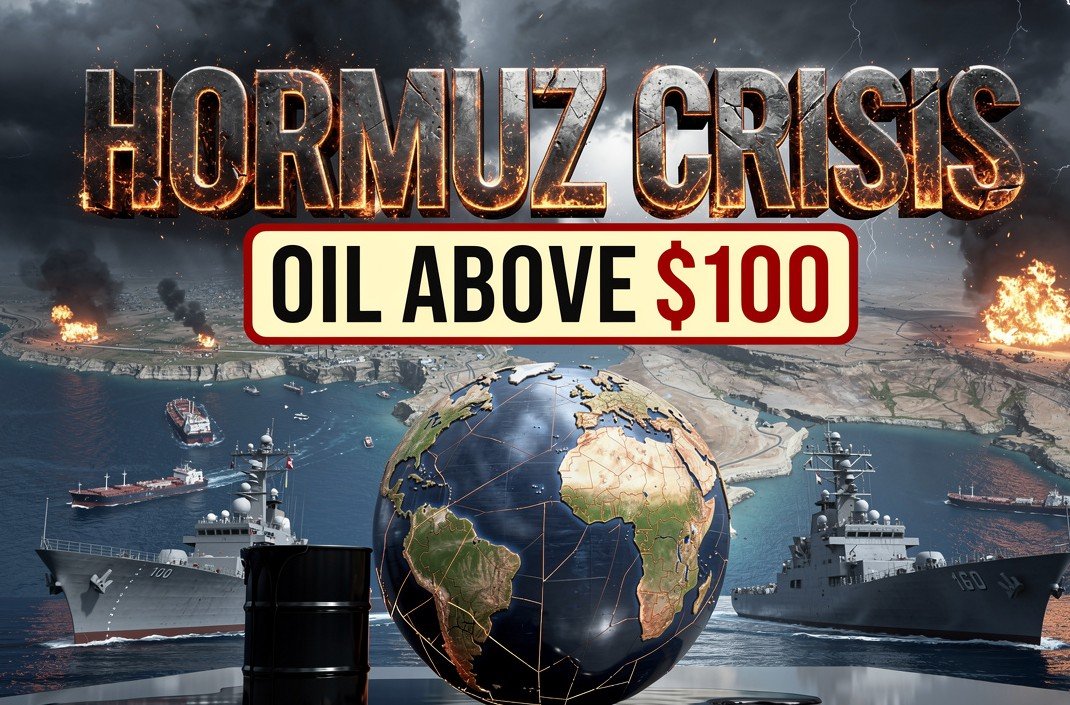
The widening conflict between Israel, the United States and Iran has taken a sharp and costly turn for the world economy. As Israel announces plans for weeks of continued military operations against Iran, the vital Strait of Hormuz has effectively closed, halting about 20 percent of global oil shipments and sending prices above $100 per barrel. Tensions are now shaking global markets, testing international alliances and raising concerns about inflation and energy security around the world.
Israel Confirms Extended Military Campaign With No Clear End
Israel’s military leadership has stated there are operational plans that foresee at least three more weeks of war activity targeting Iranian missile and nuclear infrastructure. Officials say the aim is to reduce Iran’s ability to threaten Israel directly, but analysts warn that the conflict could stretch well beyond initial projections. This comes as airstrikes and drone attacks continue across key Iranian sites and regional hotspots, intensifying hostilities in the Middle East.
The conflict is now in its third week with no sign of an imminent ceasefire. Both sides have shown a willingness to sustain military pressure, and Iran’s retaliatory strikes have extended beyond its own borders into the United Arab Emirates, including drone attacks that temporarily disrupted Dubai International Airport operations and hit major oil infrastructure.
Strait of Hormuz Closure Disrupts Global Oil Flow
The Strait of Hormuz, a narrow but critical waterway between Iran and Oman, has become a flashpoint of the crisis. Normally, roughly 20 percent of the world’s oil and liquefied natural gas supplies travel through this chokepoint. Recent Iranian actions have effectively halted commercial traffic, with shipping companies suspending operations amid safety concerns.
This closure has sent shockwaves through global energy markets:
-
Brent crude oil prices have climbed above $100 per barrel, with peaks reaching even higher levels in intraday trading.
-
International oil agencies report significant supply disruptions and sharp price volatility.
-
Major oil producers in the Gulf, like Saudi Arabia and the UAE, are struggling to reroute exports around the blockage, but it is not enough to make up for the sudden drop in transit capacity.
Energy analysts warn that a prolonged closure of the strait could trigger long-term price spikes, higher production costs and inflationary pressures across the globe. Countries heavily reliant on energy imports, especially in Asia and Europe, could face significant economic strain if the disruption persists.
International Response Splits Between Diplomacy and Military Hesitation
United States President Donald Trump has called on allies to form a naval coalition to reopen the Strait of Hormuz, urging them to deploy warships to protect commercial shipping and deter Iranian attacks. He has warned that failure to support this effort could have serious consequences for NATO and global security.
However, the response from allied nations has been mixed:
-
European countries, including Germany, Britain and France, are reluctant to commit combat forces without clearer strategic objectives and legal frameworks.
-
Japan has begun releasing its own oil reserves to cope with energy shortages, reflecting the severity of the situation for nations that rely heavily on Gulf oil.
-
Some allies emphasize a diplomatic solution and multilateral engagement, preferring negotiations to direct military involvement.
This divergence highlights the increasing strain within international alliances, as countries weigh their commitments against the risks of deeper involvement in a major Middle East war.
Oil Markets Respond With Historic Emergency Measures
In an unprecedented step, the International Energy Agency (IEA) and member countries have agreed to a coordinated emergency release of strategic oil reserves, tapping into the largest drawdown in history to help stabilize global markets in the face of supply shocks.
Despite this effort, energy officials acknowledge that strategic reserves can only provide temporary relief. The fundamental issue remains the halted flow through Hormuz, and until shipping resumes, global markets face sustained instability.
This supply disruption has also spurred volatility across related markets:
-
Refined fuel and gas prices have risen sharply in major economies.
-
Shipping companies remain cautious about navigating the Persian Gulf region.
-
Financial markets are pricing in broader risks to economic growth and inflation.
The Human and Economic Toll of a Prolonged Conflict
While much of the discussion focuses on energy and geopolitics, the human cost of the conflict is mounting. Civilians in multiple countries are affected by direct military strikes, forced evacuations and economic disruptions. The broader Middle East is facing heightened insecurity, with ripple effects on migration, food prices and regional stability.
In the global economy, analysts warn that sustained oil price spikes and supply shortages could slow economic growth worldwide, particularly in developing countries with limited capacity to absorb energy costs. This comes at a time when many nations are already grappling with inflation and post-pandemic recovery challenges.
In the face of these pressures, governments are scrambling to find short-term solutions, such as tapping emergency reserves and exploring alternative trade routes, but experts say these steps are not long-term fixes.
The next weeks will be critical. Readers are encouraged to share their thoughts on this escalating global crisis and its impact on energy prices and international security in the comments below.