In a groundbreaking move, Israel became the first nation to officially recognize Somaliland as an independent and sovereign state on December 26, 2025. Prime Minister Benjamin Netanyahu announced the decision, highlighting plans for expanded ties in key areas like agriculture, health, and technology, while Somaliland’s President Abdirahman Mohamed Abdullahi hailed it as a historic step toward global peace and prosperity.
Netanyahu’s Bold Declaration
Netanyahu made the announcement during a joint declaration with Somaliland’s leader, emphasizing Israel’s intent to build strong diplomatic relations. This includes opening embassies and appointing ambassadors, as stated by Israeli Foreign Minister Gideon Saar.
The recognition comes amid ongoing regional tensions, including conflicts in Yemen and broader Middle East dynamics. Netanyahu linked the move to promoting stability, noting Somaliland’s strategic location in the Horn of Africa.
Somaliland, which declared independence from Somalia in 1991 after a civil war, has functioned as a self-governing entity for over three decades. It maintains its own government, currency, and security forces, yet lacked formal international recognition until now.
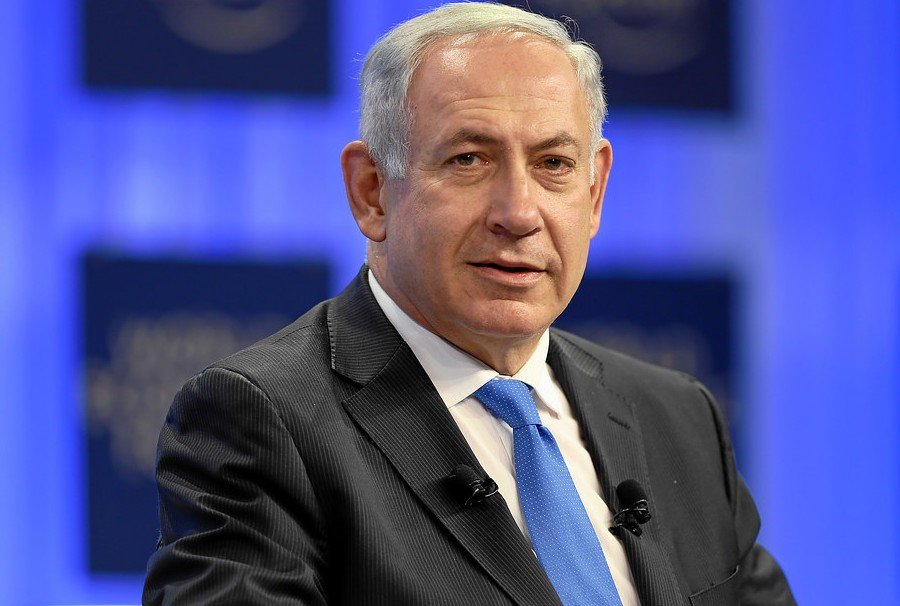
This step aligns with Israel’s recent diplomatic expansions, such as the Abraham Accords signed in 2020 with several Arab nations. Abdullahi expressed eagerness for Somaliland to join these accords, aiming to foster mutual economic growth.
Strong Backlash from Neighbors
Somalia’s government swiftly condemned the recognition, with Prime Minister Hamza Abdi Barre calling it a direct assault on his country’s sovereignty. He vowed to reject any attempts to undermine Somalia’s territorial integrity.
Other nations echoed this sentiment, viewing the move as a dangerous precedent that could encourage separatist movements elsewhere. Foreign ministers from Egypt, Turkey, and Djibouti issued a joint statement affirming their total rejection and urging the international community to uphold Somalia’s unity.
The backlash reflects deeper geopolitical rivalries in the region. For instance, Turkey has strong ties with Somalia through military and economic aid, while Egypt maintains interests in the Nile River disputes that involve nearby Ethiopia.
Analysts suggest this could strain Israel’s relations with these countries, especially amid ongoing conflicts like the Gaza situation and Houthi attacks in the Red Sea. Somalia’s fragile federal system, still recovering from years of instability, adds to the complexity.
Despite the criticism, some observers note that Somaliland’s stable democracy and anti-terrorism efforts make it an appealing partner for Israel.
Economic and Strategic Benefits
Recognition opens doors for Somaliland to access international markets and aid, potentially boosting its economy reliant on livestock exports and remittances. With a population of about 5.7 million, the region could see investments in ports and infrastructure.
Israel plans immediate cooperation in vital sectors. This includes sharing expertise in water management and renewable energy, areas where Israel leads globally.
Here are key areas of planned collaboration:
- Agriculture: Introducing advanced irrigation techniques to combat drought.
- Health: Joint programs for disease prevention and medical training.
- Technology: Partnerships in cybersecurity and digital innovation.
- Economy: Trade agreements to enhance Somaliland’s Berbera port.
For Israel, the move provides a strategic foothold in Africa, near key shipping routes like the Bab el-Mandeb Strait. This could help counter threats from groups like the Houthis in Yemen, who have disrupted global trade.
Somaliland’s location also offers Israel a base for intelligence and military operations, though details remain undisclosed. Recent events, such as Ethiopia’s 2024 memorandum with Somaliland for sea access, show growing interest in the region’s potential.
Global Implications and Future Outlook
This recognition might inspire other countries to follow, especially in the West, where Somaliland has lobbied for support. The United States and United Kingdom have engaged informally, providing aid without full diplomatic status.
However, the African Union and United Nations continue to back Somalia’s unity, complicating wider acceptance. Experts predict this could lead to debates at international forums in 2026.
| Key Milestones in Somaliland’s History | Date | Description |
|---|---|---|
| Independence from Britain | June 26, 1960 | Somaliland gains brief independence before uniting with Italian Somaliland. |
| Declaration of Independence | May 18, 1991 | Breaks away from Somalia after civil war. |
| First Democratic Elections | 2003 | Establishes multi-party system. |
| Ethiopia Memorandum | January 1, 2024 | Agreement for naval base and recognition talks. |
| Israel Recognition | December 26, 2025 | First formal international recognition. |
The table above outlines Somaliland’s path, showing its steady progress toward legitimacy. Logical reasoning suggests that economic incentives and security needs drove Israel’s decision, especially with rising threats in the Red Sea.
As global powers watch, this could reshape alliances in Africa and the Middle East. Abdullahi’s administration, elected in November 2024, positions Somaliland for growth amid these changes.
Challenges Ahead for Both Nations
While promising, the partnership faces hurdles like legal disputes over borders and potential sanctions from opposing states. Somalia has threatened legal action at the International Court of Justice.
Israel must navigate its own domestic politics, with Netanyahu facing coalition pressures. Yet, the move bolsters his image as a decisive leader amid elections looming in 2026.
For Somaliland, internal stability remains key. Recent clan tensions and economic inequality could undermine progress if not addressed.
International aid organizations warn that ignoring Somalia’s concerns might fuel instability. Balanced diplomacy will be crucial moving forward.