In a bold opinion piece published on December 15, 2025, analyst Sherwin Pomerantz argues that Israel should consider walking away from US military aid as its economy and defense capabilities grow stronger. This comes amid ongoing debates in Washington and Jerusalem over billions in funding, with the latest US defense bill highlighting continued support despite political costs.
History of US Aid to Israel
US military aid to Israel has been a cornerstone of their alliance since the late 1940s. The relationship started with recognition of Israel in 1948 and evolved into substantial financial support over decades.
Early packages focused on economic help, but by the 2000s, the focus shifted to military funding. A key agreement in 2007 provided 30 billion dollars over ten years, ending in 2018. This set the stage for larger commitments.
The 2016 memorandum of understanding raised the bar, offering 38 billion dollars from 2019 to 2028. It included 33 billion in foreign military financing and 5 billion for missile defense. Annual disbursements reached 3.3 billion in financing plus 500 million for defense systems.
Recent figures show the scale. Since the Gaza conflict began in 2023, the US has delivered at least 21.7 billion dollars in military assistance. This includes emergency funds and weapon sales approvals.
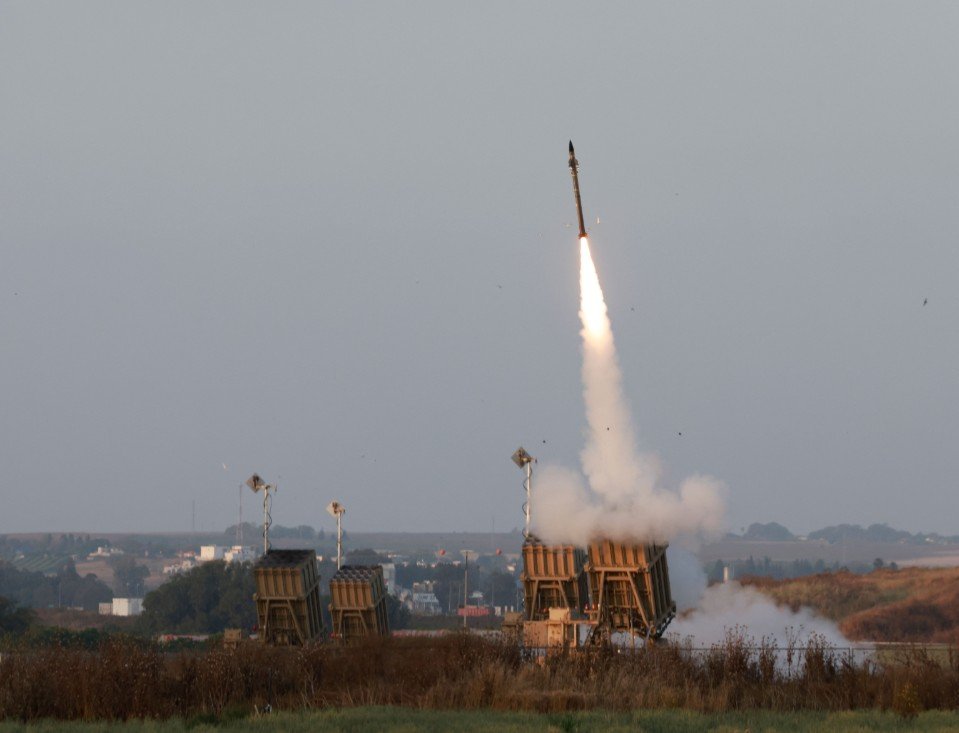
Aid has supported systems like Iron Dome, which intercepts rockets from threats in Gaza and beyond. Yet, as Israel’s tech sector booms, some question if this dependency still makes sense.
Recent Developments in 2025
The year 2025 brought fresh action on aid. In November, reports emerged of Israel seeking a new 20-year deal worth at least 80 billion dollars, with adjustments to align with US priorities.
This push follows the US House passing the 2026 National Defense Authorization Act on December 10. The bill, with a budget over 900 billion dollars, includes 500 million for US-Israel missile defense cooperation.
It also features measures to counter global arms embargoes on Israel. This responds to growing international isolation due to ongoing conflicts.
Under the new administration, policies shifted. Officials rescinded prior restrictions and bypassed some congressional reviews for arms sales. Notifications included sales of rifles to Israeli police.
- Key provisions in the 2026 NDAA: 500 million for missile defense, opposition to embargoes, and support for joint tech projects.
- Additional funding: Over 5 billion in missile defense and drawdowns since 2023.
- Emergency aid: 4 billion delivered in March 2025 alone.
These moves signal strong backing, but they spark debate on long-term ties.
Public sentiment on platforms like X reflects mixed views. Posts highlight totals exceeding 25 billion from 2023 to mid-2025, with some calling it contrary to domestic priorities.
Opinions on Breaking Free
Pomerantz’s piece in a major Israeli outlet suggests aid now brings more political baggage than benefits. He points to Israel’s maturing economy, with a GDP per capita rivaling European nations.
Experts echo this. Some argue self-reliance would free Israel from US policy strings, like conditions on Gaza operations. Others warn of risks in a volatile region.
In the US, former officials have called for conditions on aid to address humanitarian concerns. A September 2025 Politico opinion urged distancing from conflicts in Gaza.
Balanced views note shared interests. Aid buys US weapons, boosting American jobs. Israel spends nearly all funds on US tech, per agreements.
Yet, as threats evolve, independence could enhance strategic flexibility. Analysts predict debates will heat up as the 2016 deal nears its 2028 end.
Strategic Impacts of Change
Walking away from aid could reshape Israel’s defense. The nation already leads in drone and cyber tech, exporting billions yearly.
Without US funds, budgets might shift to homegrown innovation. This aligns with recent successes against regional foes.
| Year | Aid Amount (Billion USD) | Key Focus |
|---|---|---|
| 2007-2018 | 30 | General military support |
| 2019-2028 | 38 | Foreign financing and missile defense |
| 2023-2025 | 25.7+ | Emergency aid amid Gaza war |
| Proposed 2026 | 0.5 (missile defense) | Counter-embargo measures |
The table shows escalating commitments. Politically, reduced aid might ease US domestic pressures, where polls show declining support for unlimited funding.
On the flip side, it could strain alliances. Joint bases and intel sharing remain vital against shared threats like Iran.
Recent events, such as UN resolutions demanding aid access to Gaza, add layers. Israel’s surveillance reports at joint sites underline tensions.
Looking Ahead to 2028
As 2028 approaches, negotiations for a new deal loom. Israel aims for terms that prioritize its needs while fitting US “America First” policies.
Options include phased reductions or tech partnerships over cash. This could maintain ties without full dependency.
Experts forecast a hybrid model. Israel might fund more itself, using aid for specific gaps like advanced munitions.
In the end, the choice hinges on balancing security, economy, and politics. With conflicts ongoing, decisions will shape the alliance for years.
What do you think about Israel’s potential shift away from US aid? Share your views in the comments and spread this article to join the conversation.