
A sweeping new assessment reveals that about one third of butterfly species in Israel are now under threat, with three species already lost forever, sparking concern among scientists and conservation groups about fragile ecosystems and what their decline signals for nature and people alike. Experts say urgent action is needed to protect these delicate pollinators and the habitats on which all species, including humans, depend.
New Red List Shows Sharp Decline in Butterfly Populations
The first Red List of butterflies in Israel has revealed alarming trends in the health of 156 butterfly species documented across the country. This comprehensive list, prepared by leading Israeli environmental organizations, assessed the risk of extinction using criteria aligned with international conservation standards.
According to the data:
-
12 species are critically endangered
-
23 species are endangered
-
22 species are defined as threatened
-
Only 63 species are not at risk
-
55 species lack sufficient information for assessment
Three species have already been declared extinct within the country. Among those now at imminent risk are well-known butterflies such as the Scarce Swallowtail and the Queen of Spain Fritillary.
Butterflies do more than delight the eye.
They are key pollinators for wild plants and crops and serve as vital sources of food for birds, bats, and other wildlife. Their decline signals deeper environmental stress that could eventually affect food security, clean air, and the balance of local ecosystems.
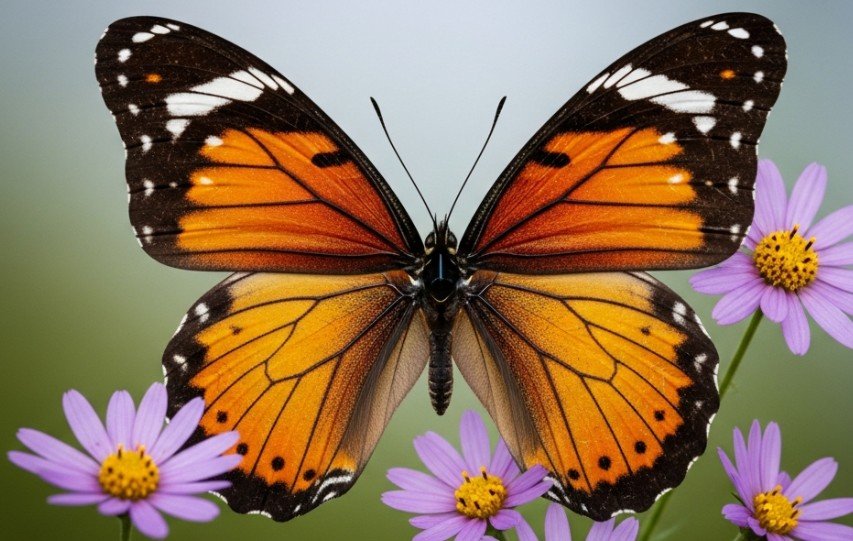
Habitat Loss, Pesticides and Climate Change Driving Decline
Experts point to a combination of human and environmental pressures behind the alarming declines of butterfly populations in Israel.
Main Threats Identified
-
Habitat destruction from construction and urban expansion
-
Conversion of open land to agriculture
-
High pesticide use harming both larvae and host plants
-
Uncontrolled grazing that strips vegetation
-
Spread of invasive species
-
Wildfires and light pollution
-
Climate change with rising temperatures and altered seasons
Natural ecosystems are shrinking rapidly in Israel, where around 18 square kilometers of natural land are lost each year, one of the highest rates in the developed world, according to conservationists. This fragmentation creates isolated populations that are more vulnerable to disease and extreme weather.
Dotan Rotem, an ecologist involved with the Red List project, said the findings are a clear warning signal. “Butterflies are sensitive bioindicators of the environment,” he said, adding that the list should guide conservation priorities and management of natural spaces.
Why Butterflies Matter to People and Nature
Butterflies play essential roles in the environment that often go unnoticed until they begin to vanish.
Ecosystem Services Butterflies Provide
-
Pollination of wild plants and crops
-
Support for food webs through serving as food for other animals
-
Indicators of ecosystem health
-
Contributing to soil fertility through lifecycle processes
Their decline reflects broader biodiversity loss, often preceding declines in other animal and plant species. In many ecosystems, healthy butterfly populations are signs of intact, functioning habitats rich in plant life and free of excessive pollution.
Ecologists warn that this decline today is similar to trends seen in other parts of the world, where insects have suffered steep losses due to combined pressures of human land use and climate disruption. Global assessments by organizations such as the International Union for Conservation of Nature (IUCN) show that insects, including butterflies, are among the groups experiencing rapid declines in many countries.
Efforts Underway to Save Vulnerable Species
Despite the grim picture, researchers say the Red List is also a tool for positive change. By highlighting where risks are greatest, conservationists hope to focus efforts on preserving key habitats and improving conditions for threatened butterflies.
Conservation Actions Being Planned
-
Protecting key habitat areas from development
-
Restoring open lands and grasslands
-
Reducing harmful pesticide use
-
Monitoring vulnerable butterfly populations
-
Promoting public awareness and education
Groups involved in the Red List include the Israel Nature and Parks Authority, the Israel Lepidopterists’ Society, the Steinhardt Museum of Natural History at Tel Aviv University, and the KKL-JNF Jewish National Fund. Together, they emphasize the importance of early action to keep species from disappearing.
Some conservationists also highlight success stories elsewhere, noting that targeted habitat protections and restoration have helped bring certain butterfly species back from the brink in other countries. Strategies such as creating corridors that connect fragmented patches of habitat can help butterfly populations thrive again.
What the Public Can Do
Experts stress that saving butterflies is not just the job of scientists and governments. Individuals can play a role by planting butterfly-friendly gardens, reducing pesticide use, and supporting local conservation initiatives. Schools and community groups can also contribute by raising awareness and involving the public in habitat restoration projects.
With their colorful wings and important ecological roles, butterflies are symbols of life’s delicate balance. Their decline in Israel is a stark reminder that nature is changing rapidly and that humanity must act now to protect the web of life that sustains us all.
As readers reflect on this growing crisis, share your thoughts on whether your country faces similar issues with wildlife decline. How can communities work together to protect fragile species like butterflies? Comment below and spread awareness in your social circles.
