Egypt is taking a massive leap forward in its fight against climate change and economic instability. The government officially reviewed a major $200 million project with the World Bank this Tuesday. This initiative targets the heavy air pollution choking Greater Cairo and sets a new path for sustainable growth.
This is not just about cleaning the air. It is a complete overhaul of how the nation spends money and builds its future.
Minister of Planning Rania Al-Mashat led the high level talks with World Bank officials. They focused on how to make the capital city breathable again while ensuring the economy keeps growing. The plan includes a massive shift toward private sector investment. This marks a turning point in the decades long partnership between Cairo and the international financial giant.
Tackling Cairo Air Quality Crisis
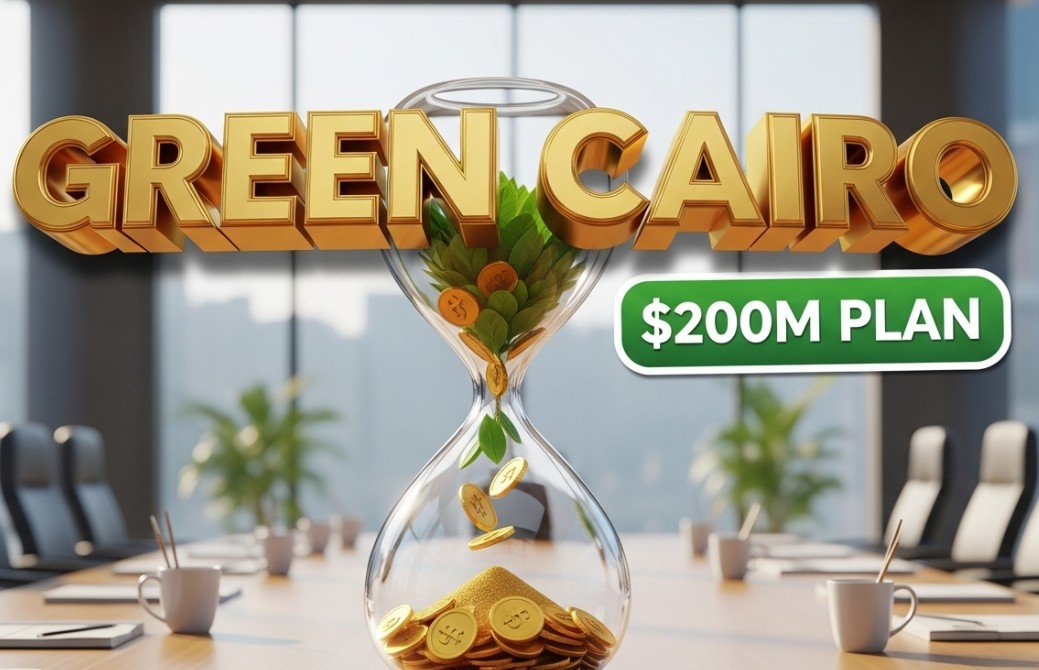
The heart of this discussion centers on the Greater Cairo Air Pollution Management Project. This massive effort is backed by $200 million in financing. It aims to modernize how Egypt monitors air quality. It also focuses on managing solid waste which is a major cause of smog in the capital.
The project gets extra support from the Global Environment Facility. They provided a $9.3 million grant specifically to help reduce harmful emissions. This money will target key sectors that produce the most pollution.
Pollution in Cairo is not just an annoyance but a serious economic drain.
World Bank studies have shown that air pollution costs Egypt billions annually in healthcare expenses and lost productivity. The new strategy focuses on resilience. It ensures that the city can withstand environmental shocks better than before.
Key objectives of the pollution management project include:
- Modernizing air quality monitoring systems across the city.
- Safely disposing of solid waste to prevent open burning.
- Empowering the focus on electric buses to reduce vehicle emissions.
- Supporting laws that punish illegal dumping and burning.
The meeting led by World Bank Vice President Gallina Andronova Vincelette reviewed these goals. Both sides agreed that the project is vital for the health of millions of Egyptians.
Empowering Private Sector Investment
A major part of the meeting went beyond the environment. It focused on money. Minister Al-Mashat unveiled the economic plan for the fiscal year 2025/2026. The numbers show a drastic change in government strategy.
The government targets a total investment of EGP 3.5 trillion.
The most shocking part of this plan is who will pay for it. The state is stepping back. The private sector is stepping up.
Investment Targets for 2025/2026:
| Sector | Percentage Share | Role in Economy |
|---|---|---|
| Private Sector | 63% | Leading growth and job creation |
| Public Sector | 37% | Governance and infrastructure support |
This cap on public spending is intentional. The government wants to stop overspending. It aims to let private businesses drive the economy. This rationalization of expenditure is designed to lower inflation and create a more competitive market.
Al-Mashat emphasized that this shift is necessary. It helps the government focus on governance rather than running businesses. This creates room for foreign and local investors to breathe and grow.
Comprehensive Development Narrative
The government has adopted a new story for its growth. They call it the “Narrative for Comprehensive Development.” This is not just a slogan. It is a detailed framework built with the help of over 100 experts from the World Bank.
This narrative changes how projects are chosen. In the past, economic goals often ignored the environment. That is ending now.
The new framework embeds environmental sustainability into every single path of growth. It covers urban development and how cities are built. It covers water security which is vital for the Nile nation. It also covers energy and transport sectors.
Every dollar spent must now pass a green test.
The minister explained that this strategy links to a national financing strategy. This means budgeting is now performance based. Ministries will get money based on results. They must show they are meeting development goals to get funding.
This approach ensures transparency. It makes sure that loans and grants are used exactly where they are needed. It prevents waste and corruption by tying cash flow to actual physical results on the ground.
Strengthening Future Economic Resilience
The discussions went deeper into how Egypt connects with the global economy. The delegation reviewed the Foreign Direct Investment Strategy. Attracting foreign cash is crucial for solving the currency crunch.
They also discussed the “Business Ready” report. This is the new benchmark the World Bank uses to measure how easy it is to do business in a country. Egypt wants to score high here to attract factories and tech firms.
Another key topic was the Blue Economy Strategy.
The Blue Economy focuses on preserving marine life while making money from it. This includes sustainable fishing and tourism on the Red Sea and Mediterranean. Protecting coral reefs is now seen as an economic necessity and not just an ecological duty.
Egypt has also been selected for a prestigious climate program.
The Climate Investment Funds picked Egypt for its Nature, People, and Climate Investment Program. This selection is a big win. It unlocks funds for climate smart agriculture. It helps farmers adapt to hotter summers and less water. It also funds projects to protect coastal ecosystems from rising sea levels.
Al-Mashat confirmed a final agreement on a structural reform matrix. This is a fancy term for a strict to-do list.
This matrix is designed to:
- Improve economic competitiveness globally.
- Build fiscal resilience to survive external economic shocks.
- Support the green transition through renewable energy.
- Improve efficiency in electricity and sanitation services.
This agreement ensures the government keeps its promises. It locks in the reforms needed to keep the economy stable during global crises.
In summary, Egypt is trying to do two difficult things at once. It is cleaning up its environment while opening its economy to private business. The $200 million pollution project is the immediate action. The EGP 3.5 trillion investment plan is the long term goal. If successful, this partnership with the World Bank could serve as a model for other developing nations. It shows that green growth and economic profit can actually work together.
This news brings a breath of fresh air to Cairo residents who have waited years for change. It signals that the smog might finally clear.
What do you think about this massive shift to private investment? Do you believe the pollution project will make a difference in your daily life? Share your thoughts in the comments below using #GreenEgypt and let us know your opinion.