Egypt and Qatar have teamed up to build the country’s first sustainable aviation fuel plant in the Suez Canal Economic Zone. This $200 million project, signed on December 14, 2025, aims to produce clean jet fuel from used cooking oil and cut aviation emissions.
Deal Highlights and Signing Event
Leaders from both nations sealed the agreement during the Egyptian Qatari Business Forum in Cairo. Egyptian Prime Minister Mostafa Madbouly and officials from Qatars Al Mana Holding signed the deal, marking the first Qatari industrial investment in the zone.
The project sets up a new company called Saf Fly Limited to handle operations. It focuses on turning waste oil into fuel that airlines can use right away. This move comes as global airlines push for greener options to meet strict emission rules.
Experts say this partnership strengthens ties between Egypt and Qatar. Trade between the two countries has grown by 15 percent in the last year, reaching about $1.2 billion. The forum also discussed other joint ventures in energy and logistics.
Project Location and Scale
The plant will sit in the Ain Sokhna area of the Suez Canal Economic Zone. It covers 100,000 square meters, with 70,000 square meters for factories and 30,000 square meters at the port for shipping.
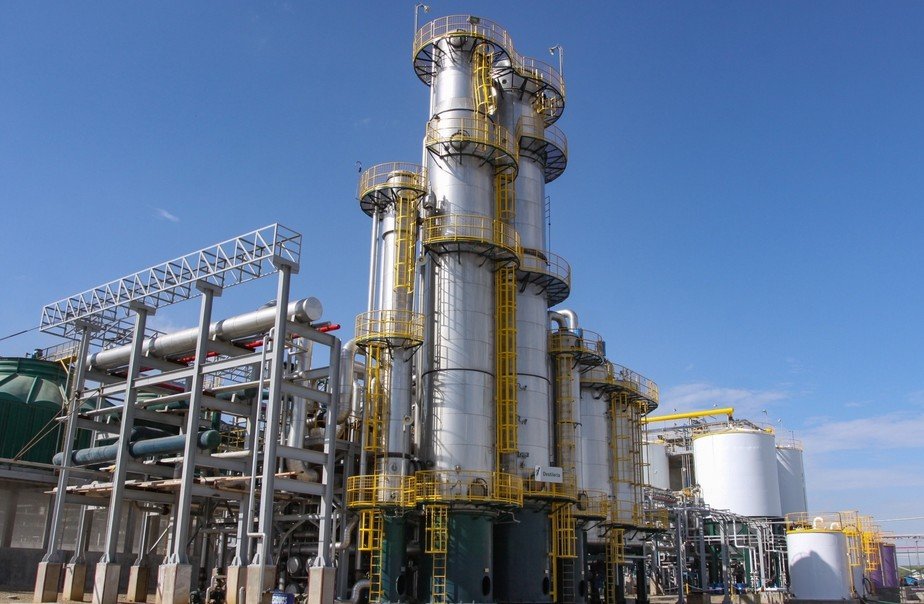
Production starts with 200,000 tons of sustainable aviation fuel each year. The site will also make biopropylene and bionaphtha as byproducts. These materials help in plastics and chemicals, adding value to the operation.
Planners divided the project into three phases. The first phase kicks off with the $200 million investment. Later phases could expand output based on demand. The zone already hosts other green projects, like ammonia plants, which drew $8 billion in deals last year.
Here is a quick look at the project’s key specs:
| Aspect | Details |
|---|---|
| Location | Ain Sokhna, Suez Canal Economic Zone |
| Total Area | 100,000 square meters |
| Investment | $200 million (Phase 1) |
| Annual Output | 200,000 tons of SAF |
| Byproducts | Biopropylene, Bionaphtha |
| Phases | Three planned |
Environmental and Tech Benefits
This fuel cuts carbon emissions by 50 to 80 percent compared to regular jet fuel. It uses recycled cooking oil, which keeps waste out of landfills and reduces pollution.
Aviation accounts for about 2 percent of global emissions, and experts predict it could rise to 20 percent by 2050 without changes. Projects like this help meet goals from groups like the International Air Transport Association, which wants net zero emissions by 2050.
Qatar brings expertise from its own green fuel research. The country recently launched five new studies on sustainable aviation fuel to speed up tech advances. Egypt aims for 42 percent renewable energy by 2035, and this plant supports that target.
The process involves advanced tech to convert oil into fuel that blends with existing engines. No major plane changes are needed, making it practical for airlines.
Economic Impact on Egypt and Region
The project creates jobs and boosts Egypts economy. Officials expect it to generate hundreds of positions in engineering, operations, and logistics. The Suez Canal Economic Zone saw revenues jump 38 percent last year to $234 million, despite shipping challenges.
It positions Egypt as a hub for green energy in Africa and the Middle East. With the canal handling 12 percent of world trade, the zone offers easy export routes to Europe and Asia.
A long term deal with Shell ensures all output gets bought by 2027. This guarantees steady income and links the plant to global markets. Similar projects in places like the United States and Europe have sparked industry growth, with SAF production expected to hit 1.5 billion liters worldwide by 2030.
- Job creation: Up to 500 direct and indirect roles in the first phase.
- Export potential: Fuel could supply airlines in Europe, cutting import needs.
- Investment draw: Builds on $83 billion in green deals signed in the zone since 2022.
Challenges and Future Outlook
Building such plants faces hurdles like high costs and raw material supply. Used cooking oil must come from reliable sources to keep production steady. Global SAF prices are two to three times higher than regular fuel, but subsidies and tech improvements could lower them.
Egypt plans more green initiatives, including wind and solar farms. Qatar invests in clean tech worldwide, with projects in Europe and Asia. Together, they could lead regional efforts against climate change.
This deal ties into broader events, like the United Nations climate talks, where nations pledged more renewable investments. By 2030, experts forecast a 10 fold increase in SAF use globally.
What do you think about this green push in aviation? Share your views in the comments and spread the word to friends interested in clean energy.