
Egypt and China are pushing their energy partnership into a more technical phase, with talks now centered on electricity storage, smart grids, and AI-backed systems. The discussions signal Cairo’s growing focus on grid stability as renewable output rises.
Egypt’s electricity minister spent several days in China meeting top executives and engineers, moving the relationship beyond contracts and into nuts-and-bolts planning that could shape how Egypt manages power for decades.
A Technical Visit With Strategic Weight
The meetings brought together officials from Egypt and China at a moment when both sides are rethinking how electricity systems cope with solar and wind.
Mahmoud Essmat, Egypt’s minister of electricity and renewable energy, held closed-door sessions with senior engineers and project planners, according to a statement from the ministry.
Those talks went deep into grid integration, battery storage, and digital control tools that help manage sudden swings in supply and demand.
It wasn’t just polite diplomacy.
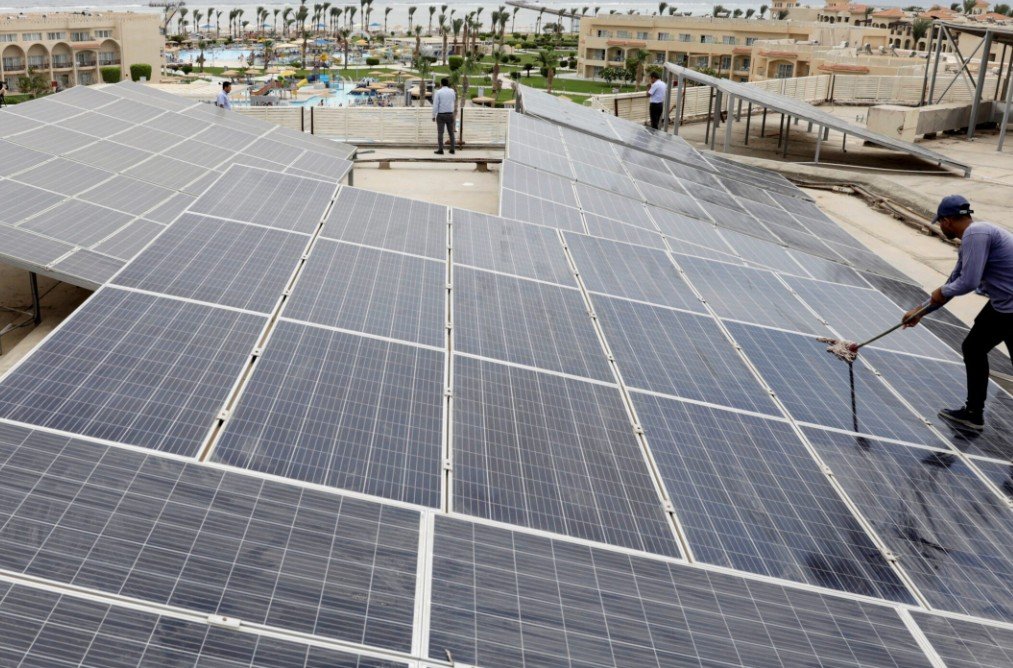
Egypt’s power system is already absorbing more renewable electricity, especially from large solar parks and wind corridors along the Red Sea.
Keeping the lights steady now matters as much as building new capacity.
Inside Huawei’s Energy Labs and Control Rooms
A key stop on the visit was a technical tour of facilities run by Huawei, where Essmat walked through battery testing labs, research centers, and exhibition halls focused on clean power systems.
Engineers demonstrated how large-scale battery units are tested for heat tolerance, charging cycles, and grid response.
They also showed systems designed to support national grids during peak demand or sudden outages.
Executives including Li Shen, Huawei’s CEO for North Africa, and Benjamin Hou, head of Huawei Egypt, were present during the tour.
One official familiar with the meetings said the emphasis stayed practical, not flashy.
This wasn’t about slogans.
It was about what happens at 7 p.m. when solar output drops and demand spikes.
Why Storage Has Become the Main Issue
For Egypt, storage is quickly becoming the missing piece in its clean energy push.
Solar and wind are plentiful, but they don’t always show up on schedule.
Battery systems help smooth that gap, storing excess electricity when production is high and releasing it when demand rises.
Egypt’s planners are also looking at grid-stabilization tools that keep voltage and frequency within safe limits.
A senior energy official said storage stations are now viewed less as optional add-ons and more as core infrastructure.
Without them, renewable growth can strain the grid instead of strengthening it.
That concern framed much of the discussion in China.
Smart Controls and AI Move to Center Stage
Beyond batteries, the talks leaned heavily into digital control systems.
Chinese engineers outlined platforms that use artificial intelligence to predict demand, flag faults early, and cut transmission losses.
These systems track power flows in real time, adjusting output and storage automatically.
In Egypt, where electricity demand surges during hot summer months, such tools could reduce strain on aging infrastructure.
Officials were shown how AI-based management systems can trim waste and improve reliability, especially in large solar and wind installations spread across remote areas.
One participant described the demos as “quietly impressive.”
No big promises.
Just data, screens, and graphs doing the talking.
Areas of Cooperation Under Discussion
During meetings with project planning teams, several cooperation paths were explored, according to people briefed on the talks.
These included:
-
Battery-based storage stations connected directly to renewable plants
-
Smart grid communication networks linking generation, storage, and consumption
-
Advanced control systems for large-scale solar and wind projects
-
Data centers and digital platforms to manage grid operations
Each item came with technical questions about cost, maintenance, and local capacity.
Egyptian officials pushed for solutions that could be adapted to local conditions, including high temperatures and desert environments.
How This Fits Egypt’s Energy Transition
Egypt has set ambitious targets for renewables, aiming to sharply raise the share of clean electricity in its energy mix over the next decade.
Large solar parks like Benban and expanding wind farms along the Gulf of Suez are already feeding the grid.
But officials admit the system needs reinforcement.
Storage, grid automation, and better control tools are now seen as the next phase.
A senior planner said the country is shifting from “building capacity” to “managing complexity,” even if he avoided using that exact phrase.
The China talks align with that shift.
China’s Expanding Role in Regional Energy
For China, the meetings reflect a broader strategy of exporting clean energy technology, especially storage and grid solutions.
Chinese firms have built solar plants, wind farms, and transmission lines across Africa and the Middle East.
Now the focus is moving upstream, into control systems and digital management.
Egypt’s large market and central role in regional power links make it an attractive partner.
Energy analysts say cooperation here could shape standards used elsewhere in North Africa.
That gives the talks weight beyond bilateral ties.
What Comes Next
No contracts were announced during the visit, and officials stressed that discussions remain technical.
Still, groundwork was clearly laid.
Follow-up teams are expected to exchange data, feasibility studies, and pilot project proposals in the coming months.
One official summed it up simply.
